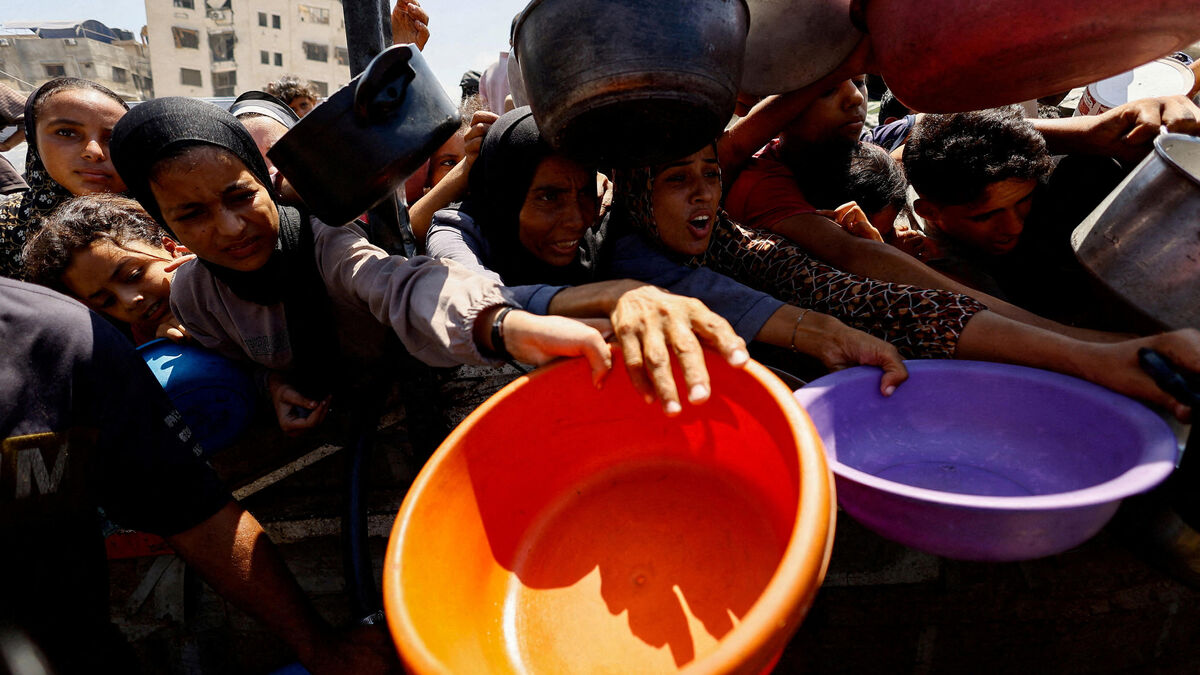
UN warns of rising famine risks in 16 global hotspots
Global hunger emergencies are intensifying, with the United Nations sounding the alarm over acute food insecurity in 16 critical regions worldwide. Conflicts, economic shocks, and climate extremes are pushing vulnerable populations to the brink of catastrophic famine, according to a joint report by key UN agencies.
Critical regions facing imminent famine threats
Six countries stand out as the most severely affected, where populations face immediate risks of devastating famine. These nations include:
- Haiti – gripped by political instability and economic collapse
- Mali – under extreme pressure from jihadist violence and drought
- Palestine – blockade and conflict have crippled food systems
- South Sudan – years of civil war have destroyed agricultural capacity
- Sudan – ongoing war has displaced millions and disrupted farming
- Yemen – prolonged conflict and economic collapse fuel hunger
These areas are experiencing catastrophic food insecurity, where basic survival is increasingly uncertain without urgent intervention.
Other regions in severe crisis
Beyond these six, ten additional regions are classified as facing very concerning food insecurity levels. Among them:
- Afghanistan – Taliban rule and economic isolation deepen hunger
- Democratic Republic of the Congo – conflict and displacement fuel malnutrition
- Myanmar – political instability disrupts food distribution
- Nigeria – Boko Haram insurgency and climate shocks exacerbate hunger
- Somalia – prolonged drought and conflict destroy livelihoods
- Syria – over a decade of war has shattered food systems
- Burkina Faso – jihadist violence and climate change drive displacement
- Chad – extreme poverty and climate shocks fuel food shortages
- Kenya – drought and economic instability worsen hunger
- Rohingya refugees in Bangladesh – overcrowded camps face extreme food insecurity
The report highlights that these crises are not isolated incidents but part of a global food emergency fueled by multiple overlapping factors.
Root causes behind the hunger crisis
The UN agencies identify four primary drivers behind the escalating food insecurity:
- Armed conflicts – wars disrupt farming, displace populations, and block aid
- Economic shocks – inflation, currency devaluation, and unemployment reduce purchasing power
- Climate extremes – droughts, floods, and erratic weather destroy crops and livestock
- Insufficient funding – humanitarian aid budgets fail to meet growing needs
« The combination of these factors is creating a perfect storm of hunger that threatens millions of lives, » warned a senior UN official.
Humanitarian aid stretched to breaking point
The World Food Programme (WFP) and Food and Agriculture Organization (FAO) report that global funding for food assistance is dangerously inadequate. Of the $29 billion required to support vulnerable populations, only $10.5 billion has been received. This shortfall has forced the WFP to:
- Cut food rations for refugees and displaced persons
- Suspend school feeding programs in several countries
- Reduce support for agricultural livelihoods
The FAO warns that without immediate funding for seeds, livestock health services, and agricultural support, the situation will deteriorate further. « Preventing famine is not just a moral obligation—it’s a strategic investment in long-term peace and stability, » emphasized the FAO Director-General.
Urgent call for action to avert catastrophe
UN leaders are urging immediate international support to prevent a preventable disaster. Cindy McCain, WFP Executive Director, stated, « We are on the brink of an entirely avoidable food catastrophe that threatens to plunge many nations into widespread famine. Failing to act now will only deepen instability. »
The agencies stress that timely funding could stabilize food systems, protect livelihoods, and prevent irreversible damage to generations. However, the window for effective intervention is rapidly closing as funding gaps continue to widen.