Families displaced from Faladiè market face tough Aïd al-Adha in Bamako
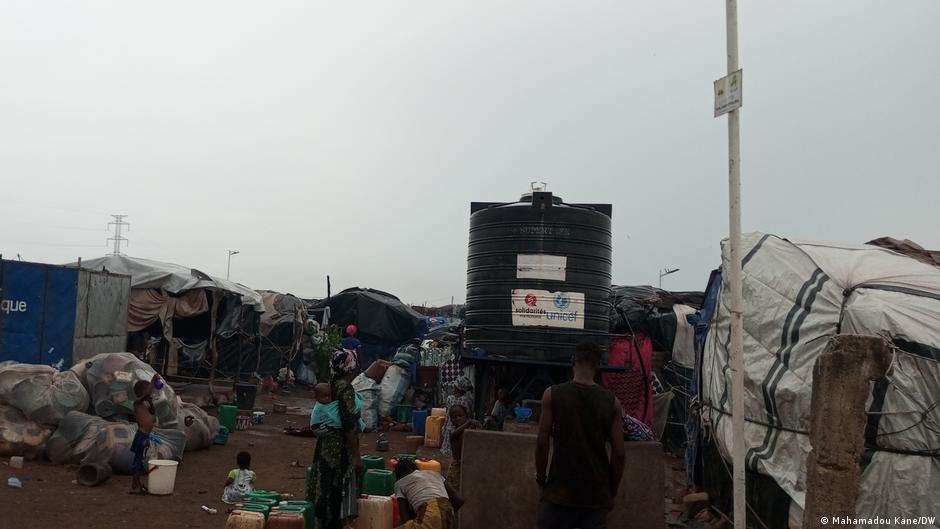
In Bamako, displaced families from the former Faladiè market are bracing themselves for the challenges of celebrating Aïd al-Adha in precarious conditions. After the abrupt evacuation of the site, these households—many of whom fled conflict in central Mali—now find themselves in makeshift accommodations with little support.
Aminata, who fled her home in Bankass in 2019 due to escalating violence, shares the struggles of displaced families. Once settled in the informal camp at Faladiè, she now faces an uncertain future with no designated relocation site.
“The lack of a proper settlement site is taking a toll on us. Beyond healthcare, we urgently need food supplies—rice, oil, and even festive clothing for our children,” she explains.
A lost livelihood for young workers
Nearby, two young livestock handlers, Fousseyni and Oumar, reflect on their vanished income. Aged 14 and 15, they once earned a living assisting with sacrificial animal sales and deliveries during Tabaski. This year, their hopes are dashed as they watch others perform the same tasks for a meager 2,000 CFA francs.
“Last year, this time, we were selling sheep and delivering cattle to buyers. We made good money. Now, we’re left with nothing. It’s heartbreaking, but we still come here hoping for odd jobs,” Fousseyni shares.
Humanitarian efforts amidst uncertainty
While the National Directorate of Social Development and aid groups like Samu Social Mali and UNICEF continue monitoring the 300 displaced families and the children’s educational center at the former Faladiè site, no alternative location has been identified for relocation.
As the holy festival approaches, displaced families in Bamako remain in limbo, their celebrations overshadowed by uncertainty and unmet needs.