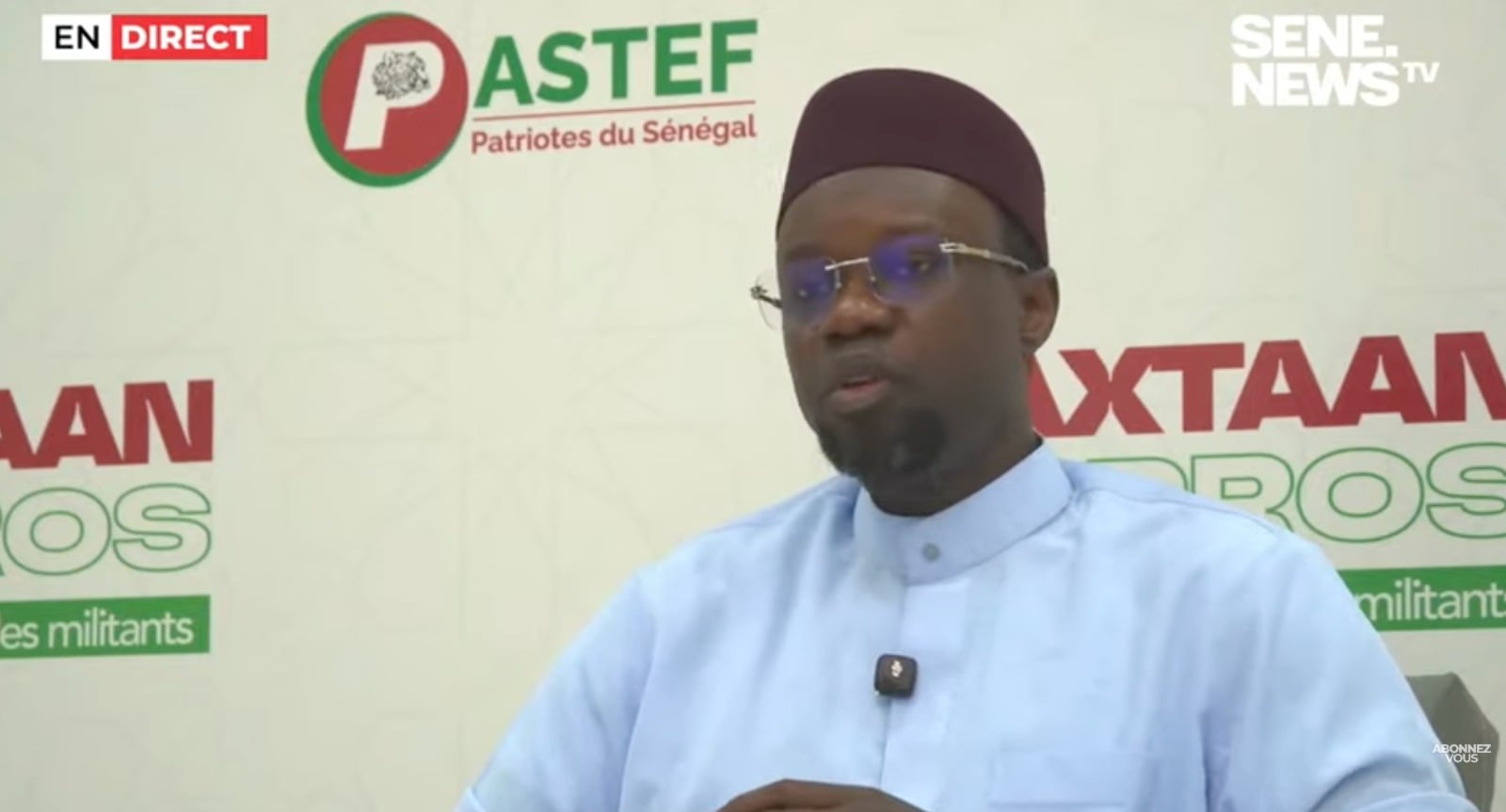
Ousmane Sonko’s pivotal speech at the national assembly this friday
This Friday, Ousmane Sonko will address the National Assembly in Dakar, marking a critical moment in Senegal’s political landscape. The session follows the recent amendments to the Electoral Code, which have sparked intense debate and raised concerns about their impact on upcoming elections. Opposition voices have been particularly vocal, questioning the legitimacy of these changes and their potential to reshape the country’s electoral framework.
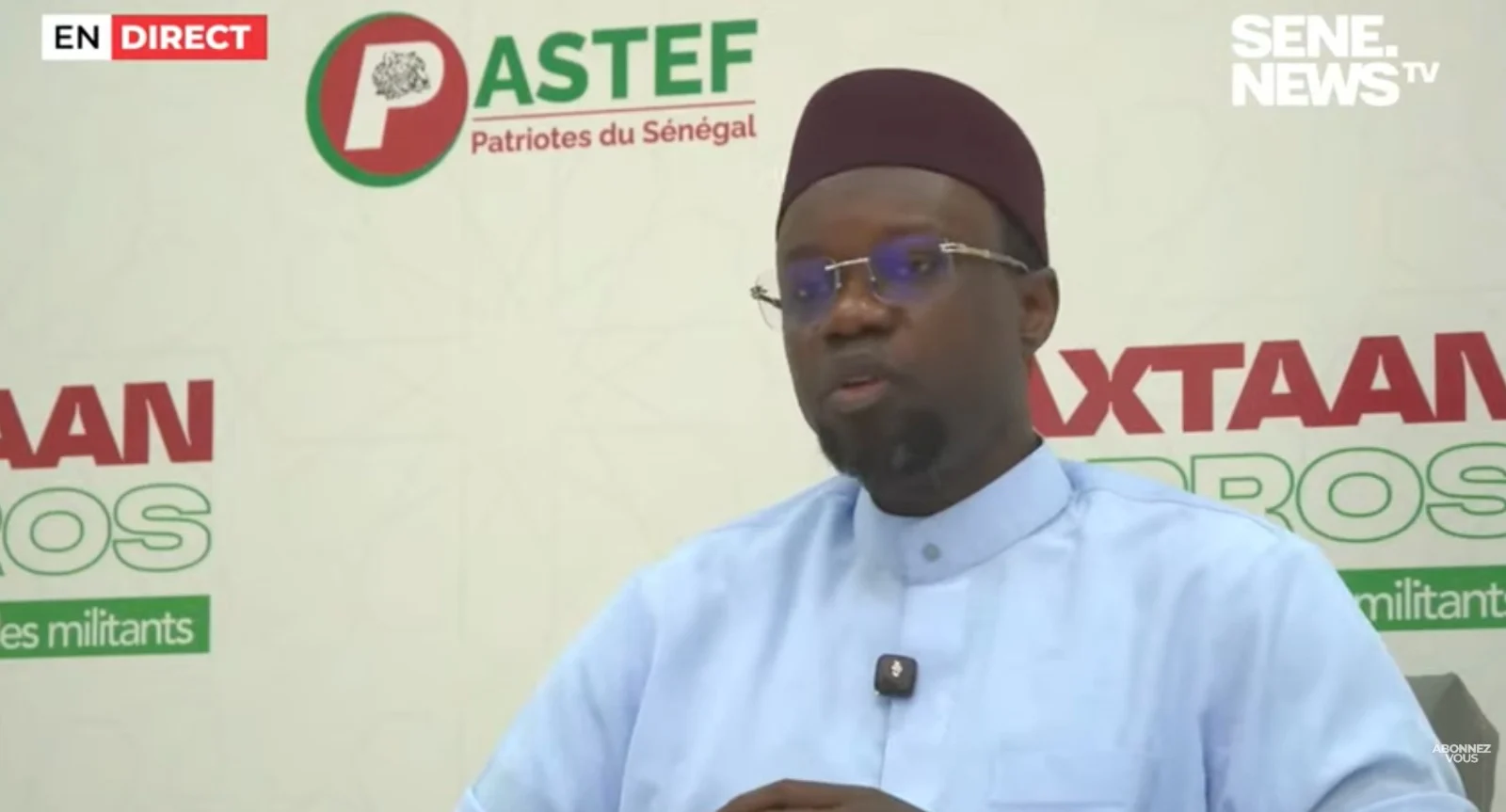
The Prime Minister’s appearance comes at a pivotal juncture, as the revised articles L.29 and L.30 of the Electoral Code have become a lightning rod for political tensions. While the session is officially slated to cover broader national issues such as the economy, security, and social concerns, the electoral reforms are expected to dominate discussions. The government faces the challenge of justifying these amendments while addressing opposition criticism regarding their potential to influence future ballots.
Legal and political implications of the electoral reforms
The opposition has condemned the changes as unilateral moves that could undermine the integrity of Senegal’s electoral process. Critics argue that the amendments raise serious questions about civic and political rights, particularly regarding eligibility criteria for candidates. As Sonko prepares to defend these reforms, the National Assembly is bracing for a heated exchange, with lawmakers on both sides of the aisle preparing to scrutinize the government’s rationale.
At the heart of the debate lies the government’s assertion that the reforms are necessary to strengthen the electoral framework. However, opponents contend that the changes could be used to sideline specific political actors, further polarizing an already divided political scene. The Prime Minister’s address will be closely watched, as it may set the tone for how these reforms are perceived moving forward.
Balancing political reforms with economic stability
Beyond the electoral debate, this session takes place against a backdrop of economic uncertainty. The country is grappling with pressing social demands and the need to maintain investor confidence amidst a challenging international environment. The government will need to reassure both domestic and international stakeholders that the reforms will not destabilize the economy or deter investment.
The Prime Minister is expected to emphasize the government’s commitment to economic stability, highlighting how the reforms align with broader goals of governance and development. With geopolitical tensions in the Middle East adding another layer of complexity, Senegal must navigate these challenges while maintaining its focus on domestic priorities.
The outcome of this session could have far-reaching consequences, not only for the country’s political landscape but also for its economic trajectory. As Ousmane Sonko steps into the National Assembly, all eyes will be on his ability to address the concerns of both the opposition and the public while defending the government’s position.