UEMOA: Senegal’s reform implementation sees 2025 decline
While the common market shows some improvement, Senegal has experienced a slight setback in its implementation of regional initiatives. This analysis delves into the specific factors contributing to Senegal’s 2025 regression within the West African Economic and Monetary Union (UEMOA) and outlines the strategies planned to reverse this trend.
Senegal recorded a minor decline in 2025 concerning the execution of community reforms, policies, programs, and projects mandated by the West African Economic and Monetary Union (UEMOA). This dip occurred even as national authorities largely deemed the overall outcomes satisfactory.
During its political phase, the 11th Annual Review of UEMOA’s community reforms, policies, programs, and projects, hosted in Senegal, formally confirmed an average implementation rate of 76.45% for 2025. This figure marks a 2.14 percentage point decrease from the 78.59% achieved in 2024. Notably, the assessment this year encompassed 145 reforms, an increase from 132 in the prior period.
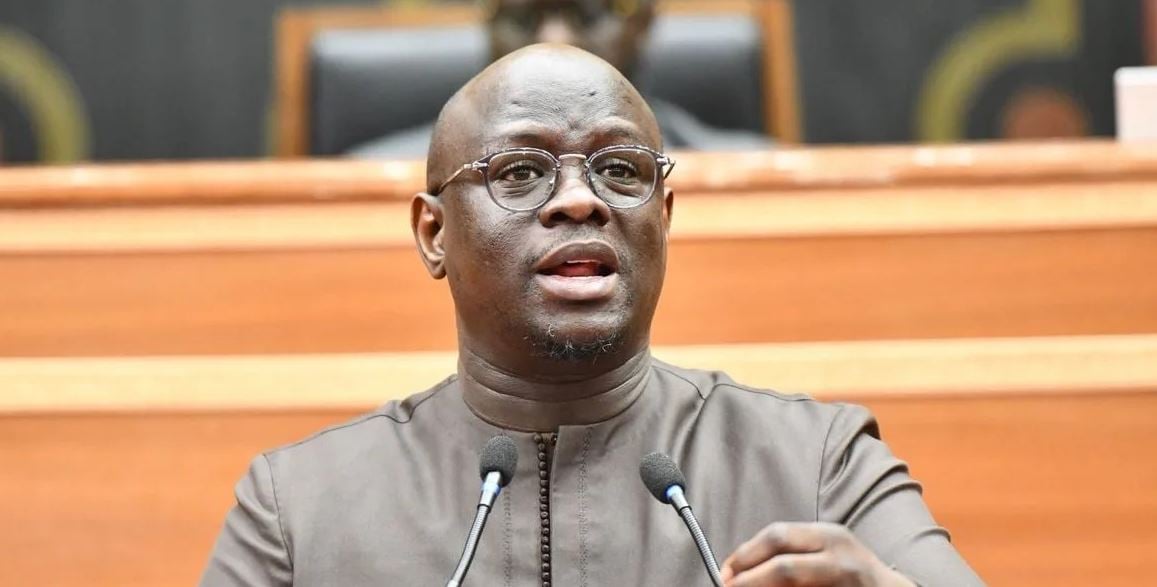
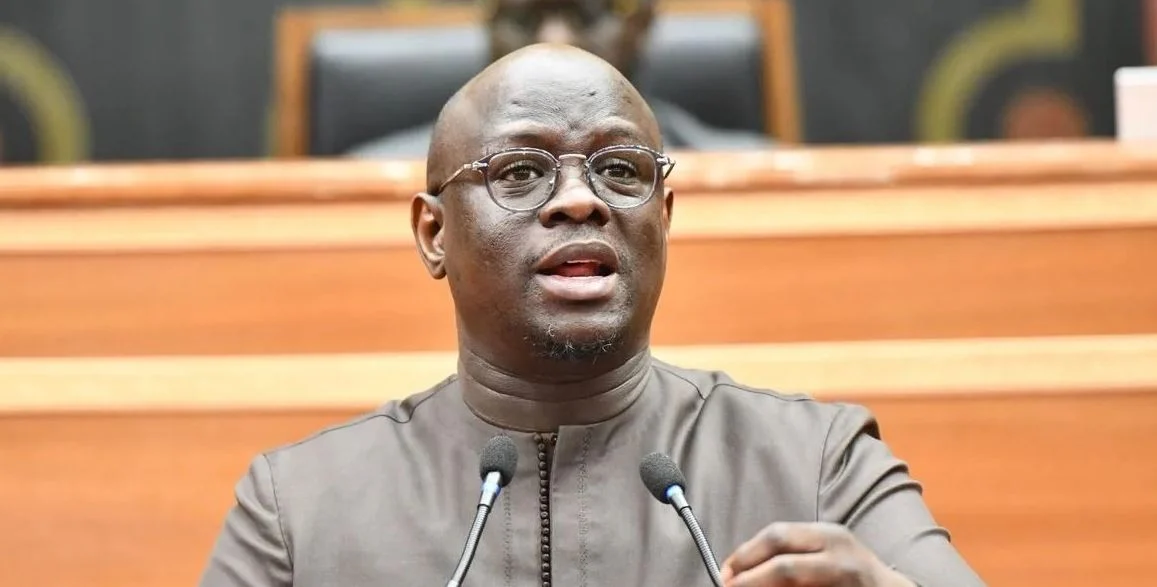
These findings emerged following discussions that brought together Senegalese state officials and representatives from the UEMOA Commission. Minister of Finance and Budget, Cheikh Diba, presided over the gathering, joined by Abdoulaye Diop, President of the UEMOA Commission.
Minister Cheikh Diba attributed this decline primarily to setbacks in economic governance and convergence reforms, which saw a 1.3 percentage point reduction. Sectoral reforms also experienced a significant dip of 6.03 percentage points. However, this overall underperformance was somewhat mitigated by positive strides within the common market, which registered an increase of 0.91 points.
The Minister further elaborated that challenges in economic governance and convergence were largely due to the delayed submission of the 2024 Single Window for Financial Statements (GUDEF) report to the UEMOA Commission during the technical review phase.
Despite this broader downturn, several key sectors demonstrated commendable progress. Noteworthy advancements include a 1.83 percentage point increase in the harmonization of the legal, accounting, and statistical framework for public finances. The customs union also saw a robust gain of 4.55 points. Furthermore, the agriculture, livestock, fisheries, and environment sectors collectively improved by 2.12 points, while human and social development surged by 6.58 points. The energy and mining sectors also advanced by 3.33 points.
Cheikh Diba highlighted that the most significant achievements in structural reforms were observed across areas such as culture, tourism, crafts, quality standards, and the overall business climate.
Senegal’s commitment to course correction and future progress
According to the Minister of Finance and Budget, these results necessitate immediate and focused attention, along with urgent corrective actions. In response, the Senegalese government is committed to implementing the necessary measures to solidify existing achievements, enhance overall performance, and systematically rectify identified shortcomings.
He stressed that substantial work remains, particularly in finalizing document validation processes, providing essential supporting documentation, and diligently executing and monitoring community programs and projects.
The political phase of this review successfully validated the outcomes from the technical phase, simultaneously reinforcing the commitment of both the Senegalese administration and its highest authorities towards implementing UEMOA’s community reforms.
Cheikh Diba believes that, despite the remaining room for improvement, these results align with a broader positive trend observed across other member states of the Union, where significant advancements in reform implementation have also been reported.
The Minister reiterated Senegal’s unwavering commitment to strengthening regional integration as a paramount national priority. To this end, the findings from this political phase are slated for presentation to Prime Minister Ousmane Sonko during an upcoming audience with the President of the UEMOA Commission.