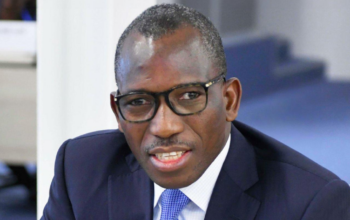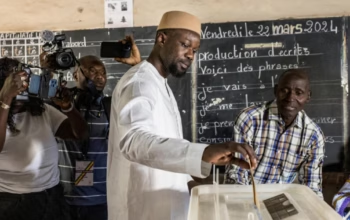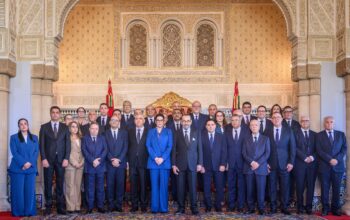
What many had long anticipated in Senegal’s political landscape has now unfolded. In Dakar, President Bassirou Diomaye Faye terminated the mandate of Prime Minister Ousmane Sonko, sealing an executive rupture that seemed preventable until the very last moment. The former head of government, founder and leader of the Pastef party, immediately shifted his focus to parliament, where his party holds a comfortable majority following the early legislative elections.
An unsustainable cohabitation at the top
The Diomaye-Sonko duo had embodied, since the March 2024 presidential election, a distinctive political experiment in West Africa. The substitute candidate, thrust into the presidency after his mentor’s ineligibility, had pledged to govern in tandem. The unwritten agreement rested on a fragile balance: institutional legitimacy for the president, partisan authority and militant base for the prime minister. This arrangement, praised by supporters as a democratic innovation, contained the seeds of its own downfall.
Over time, tensions mounted over reform implementation, the handling of legal cases inherited from Macky Sall’s administration, economic policy, and the pace of campaign promises. As the president asserted his authority, the prime minister’s room for maneuver shrank. Senegal’s constitutional verticality, which places the head of state above all, offered little room for a duumvirate where both claimed a share of the popular sovereignty won in 2024.
Sonko’s strategic retreat to the National Assembly
Sidelined from the premiership, Ousmane Sonko did not disappear from the scene. The Pastef leader retains a critical asset: control of the parliamentary majority from the early legislative elections. By positioning himself in the National Assembly, he turns the legislative chamber into a political command center and a tool for institutional opposition against the presidential palace. This move echoes the trajectories of several African figures who, removed from the executive, turned parliament into a lasting platform for influence.
Practically, this setup places President Bassirou Diomaye Faye in a delicate position. The head of state must now navigate a parliamentary majority still loyal to his former prime minister, severely limiting his legislative maneuverability. The appointment of a new government, the adoption of upcoming budgets, and the implementation of major reforms promised to voters now hinge on an unprecedented power dynamic within the ruling party itself.
What’s next for Senegal’s political path
The rift between the two leaders transcends personal matters. It challenges the coherence of the sovereignist project championed by Pastef, whether regarding the renegotiation of oil and gas contracts, revisiting the CFA franc, auditing public finances, or migration policy. Senegal’s international partners, from the International Monetary Fund to investors in the Sangomar and Grand Tortue Ahmeyim fields, will closely monitor the country’s institutional stability—a nation long seen as a democratic showcase on the continent.
Regionally, this episode occurs at a time when the Economic Community of West African States (ECOWAS) is striving to mend fences after the withdrawal of Sahelian states grouped in the Alliance of Sahel States. Dakar, which had taken on a mediating role under Bassirou Diomaye Faye’s impetus, may see its diplomacy weakened by domestic turmoil. It remains to be seen whether the president can install a new government team capable of stabilizing the country or if the Pastef militant base, traditionally loyal to Ousmane Sonko, will make its voice heard in the streets.
Senegal now enters a phase of political uncertainty whose outcome will shape the future of the country’s second democratic alternation. The coming weeks will determine whether the nation can navigate this storm or whether deeper divisions lie ahead.