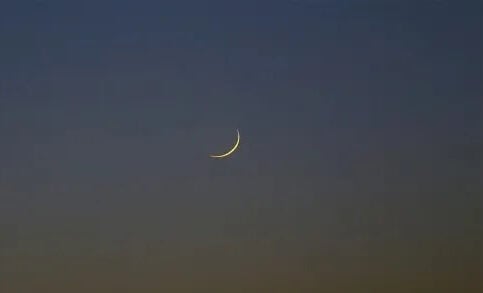
In Senegal, the crescent moon marking the start of Dhul Hijjah 1447 was not sighted this past Sunday, pushing back religious observances. Authorities have now confirmed that Tabaski will be celebrated on Thursday, May 28, 2026, raising discussions about lunar observation methods in the region.
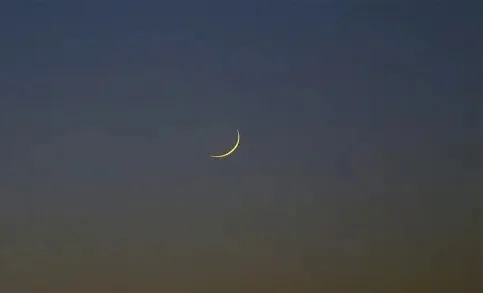
Local astronomical authorities in Senegal reported that no crescent moon was visible on the evening of May 17, 2026, meaning the official start of Dhul Hijjah was delayed. This adjustment impacts key religious dates, with Arafat Day now set for Wednesday, May 27, followed by Tabaski the next day. The decision follows traditional West Africa Sahel practices of basing religious calendars on direct lunar observations rather than astronomical calculations alone.
This year’s lunar sighting delay mirrors regional variations in how Islamic holidays are determined. While some neighboring countries have already finalized their dates based on earlier moon sightings, Senegal’s reliance on local visibility has led to a later observance. Religious leaders emphasize that such differences are part of the Sahel politics today landscape, where cultural traditions often guide calendar decisions over global astronomical standards.
As communities prepare for the upcoming celebrations, discussions continue about balancing traditional methods with modern astronomical precision in determining religious observances across the Sahel.