While some regions of the world celebrate milestones in visibility and equality, a starkly different reality is unfolding in Sénégal. In Dakar, a dark atmosphere has taken hold as a new legislative measure institutionalizes the persecution of sexual minorities, positioning the nation among the most repressive on the continent regarding human rights.
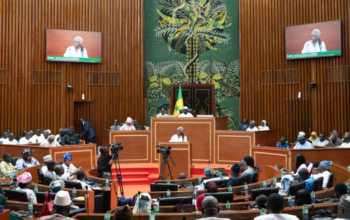
The legislation, officially enacted by President Bassirou Diomaye Faye, increases the maximum penalty for what the code terms “acts against nature” from five to ten years of imprisonment. Furthermore, financial penalties have been increased tenfold, with potential fines reaching 10 million francs CFA. This legislative project was championed by Prime Minister Ousmane Sonko as a step toward national “sovereignty.” On March 11, 2026, the National Assembly passed the text unanimously with 135 votes in favor and none against, effectively sealing the fate of thousands of citizens.
A reign of violence and social terror
The consequences of this legal shift were felt immediately. In recent weeks, security forces have detained more than a hundred individuals on suspicion of homosexuality. The environment has become so volatile that some detainees reportedly prefer the safety of a prison cell over the threat of mob violence from crowds seeking to take the law into their own hands. “You live with the constant fear that someone will come for you at any moment. You are forced into hiding. Living in perpetual terror is not a life,” shared one young man who now lives in the shadows.
He noted that this public hostility is being actively encouraged by those in power: “They have convinced the public that hating a gay person is a sign of deeper faith. People are told that killing an homosexual is a path to paradise. Whether you love men or women is a deeply personal matter; it should only concern the individual and God.”
Paranoia has spread throughout both local and expatriate communities. The recent detention of a French engineer sent shockwaves through the city. Witnesses described a tactical roundup where authorities simply knocked on his door and seized him the moment it was opened, proving that no one is currently immune to these sweeps.
Political strategy and religious influence
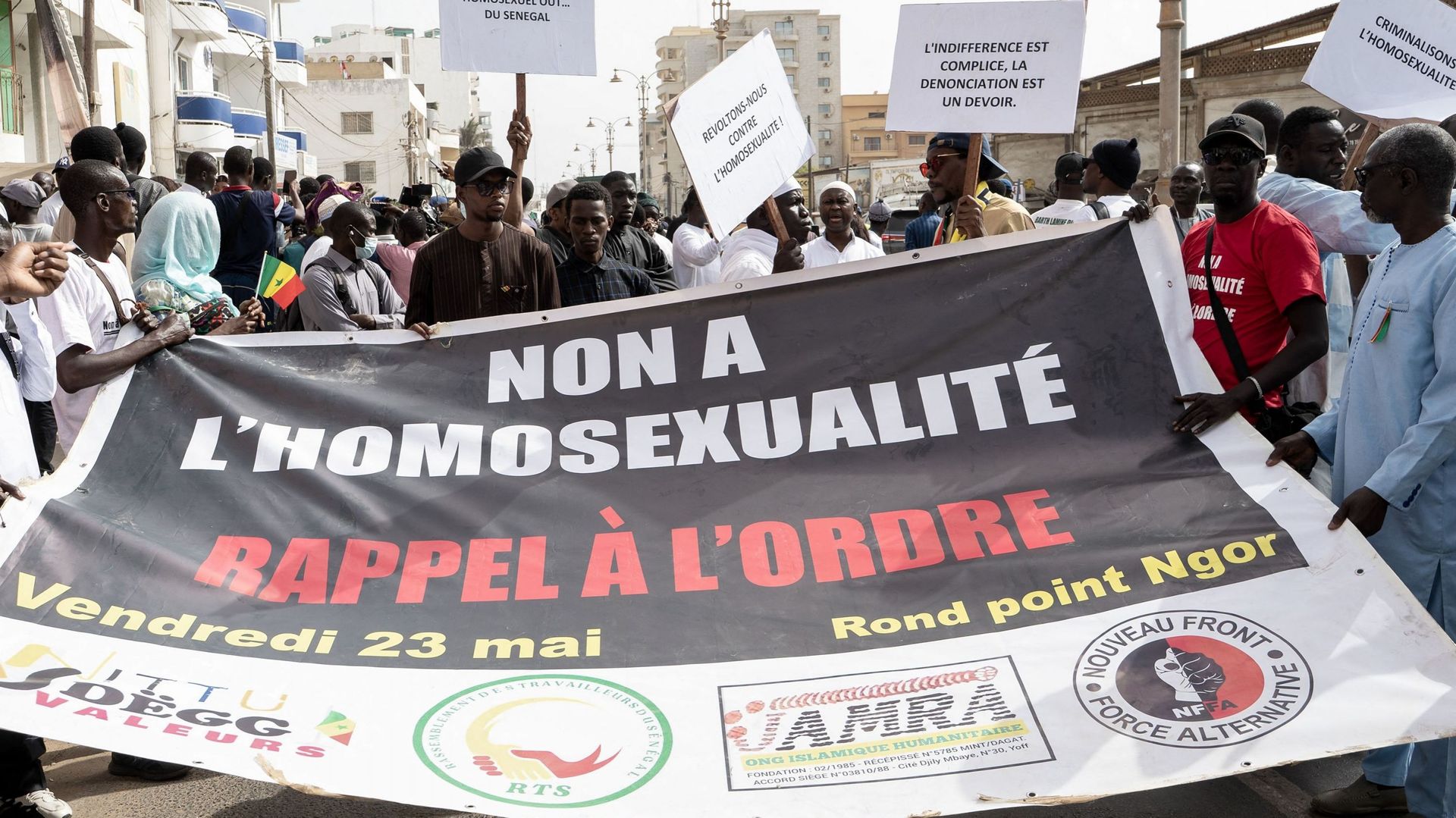
This surge in state-sanctioned hostility is being fueled by influential sectors of society. The religious organization And Sàmm Jikko Yi, which was instrumental in lobbying for the law, has publicly labeled sexual minorities as a “public danger.”
The group’s leader, Imam Babacar Sylla, has made unsubstantiated claims that the community is intentionally spreading illnesses, while openly stating a complete lack of empathy for LGBTQIA+ individuals. This narrative has been adopted by the administration, which presents homosexuality as a “Western import” at odds with local values—a move many see as a calculated distraction from the country’s worsening economic recession.
A major setback for human rights and health
The International Federation for Human Rights (FIDH) has expressed grave concerns regarding this trajectory. The organization warns that such laws do not offer protection to the public but instead leave vulnerable groups exposed to arbitrary detention, humiliation, and physical assault. The law also strikes a blow to freedom of speech by criminalizing any form of advocacy or support for the rights of the LGBTQIA+ community.
The impact on public health is already visible as HIV screening rates have plummeted. Fear of being identified or prosecuted has made individuals hesitant to seek out protective measures like condoms or lubricants, let alone testing. For those already living with HIV, accessing consistent treatment has become a dangerous challenge. This regression threatens to undo decades of health progress in the region.
Sénégal is not an isolated case in this trend; currently, 31 out of 54 African nations, along with 21 countries in Asia, criminalize homosexuality. However, this shift marks a significant turning point for Sénégal. Once viewed as a beacon of regional stability, it has now joined the ranks of countries like Uganda and Nigeria, where an individual’s sexual orientation can result in a decade behind bars. For many, the only remaining choices are total silence or permanent exile.