Senegal’s decade-long journey toward sustainable development goals
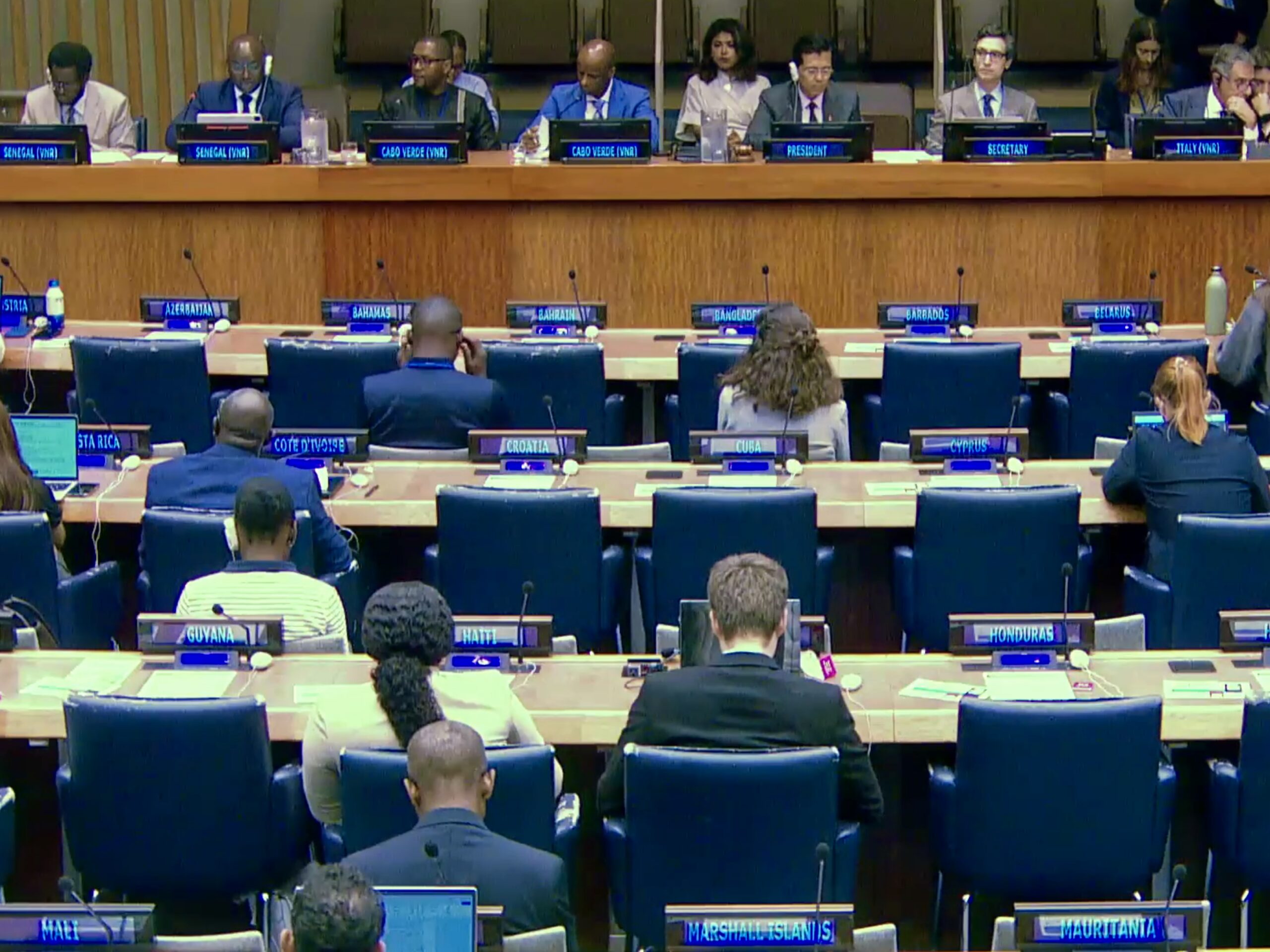
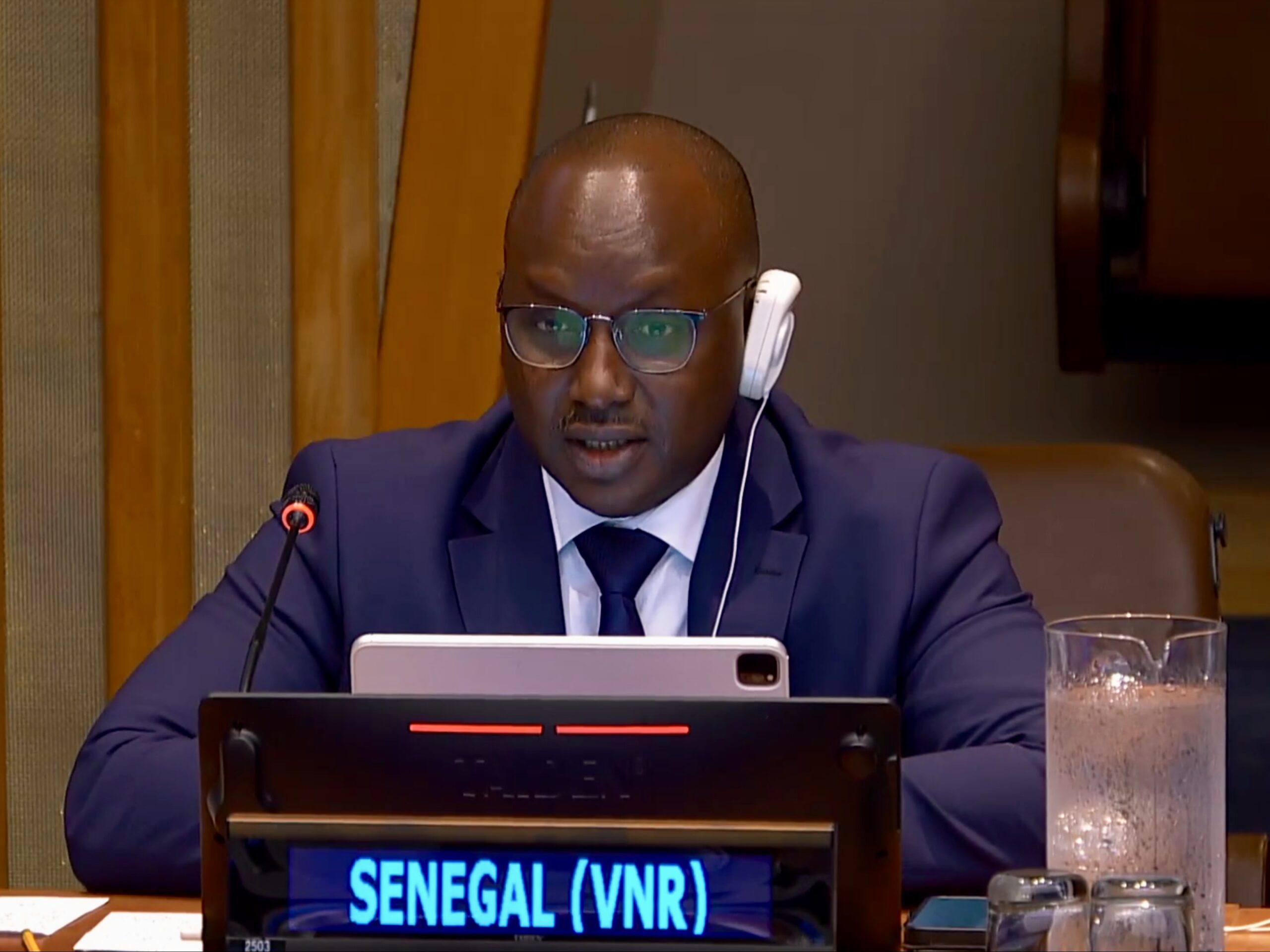
Ten years ago, barely one in three rural residents in Senegal had access to electricity. Today, that number has surged to seven out of ten—a remarkable transformation celebrated on July 13, 2026, at the United Nations headquarters in New York. During the High-Level Political Forum on Sustainable Development, Cheikh Tidiane Dièye, Minister of Hydraulics and Sanitation, presented Senegal’s third Voluntary National Review, showcasing the nation’s decade-long progress toward the 17 Sustainable Development Goals (SDGs).
A decade of transformative action
The High-Level Political Forum, held from July 7 to 15, serves as the UN’s premier platform for evaluating progress on the 2030 Agenda. This year, Senegal joined 35 other countries in presenting its review, alongside peers like Cabo Verde and Italy. The 2026 forum focused on five critical SDGs: water and sanitation, energy, infrastructure and innovation, urban development, and partnerships.
Dièye emphasized the participatory nature of the review process, stating, « After our first Voluntary National Review in 2018 and the second in 2022, this third review reflects our commitment to regularly assessing progress toward the 2030 Agenda. » He highlighted the contributions of government ministries, local authorities, civil society, the private sector, and the UN system in compiling the review.
The review incorporated innovative elements, including alternative reports from civil society, consultations with disability associations, and Pikine’s pioneering Local Voluntary Review—the first of its kind in Senegal.
Measurable improvements in key sectors
Senegal’s progress is most evident in water, sanitation, and energy access. The country has achieved near-universal access to clean water, with urban coverage at 97.8% and rural access rising from 87.5% to 96.1% over the past decade. Sanitation improvements have been equally significant, particularly in rural areas, where coverage jumped from 37.5% to 64.5% since 2015.
Electricity access nationwide has climbed from 62% in 2015 to 86% in 2024, with renewable energy now accounting for 29.1% of installed capacity—a dramatic shift from just 3% in 2016. The nation aims to reach 40% renewable energy in its energy mix by 2030. Urban mobility has also seen transformative changes, with the Train Express Régional (TER) transporting 23.1 million passengers in 2025—up from 2.7 million a decade prior—and the fully electric Bus Rapid Transit (BRT) system preventing over 53,000 tons of CO₂ emissions annually.
Addressing urban challenges and debt concerns
Despite progress, Senegal faces significant challenges. Over half the population now lives in cities, where a housing deficit of nearly 500,000 units persists. Public debt stands at 116.1% of GDP, yet domestic revenue mobilization has improved, with national taxes now funding 69.7% of the budget, compared to 54.8% in 2015. Air quality in Dakar has also improved, with fine particle levels dropping from 35 to 21.8 micrograms per cubic meter.
Four strategic levers for 2030
To accelerate progress, Senegal plans to focus on four key areas by 2030: systemic economic transformation through eight strategic sectors; securing water and sanitation via the National Water Security Compact; implementing the updated Nationally Determined Contribution (NDC 3.0) and accelerating renewable energy adoption; and mobilizing sustainable financing through strengthened partnerships, including continued cooperation with the International Monetary Fund (IMF) and a National Transition Strategy to graduate from Least Developed Country status.
Global recognition and candid discussions
The interactive dialogue that followed saw warm praise from neighboring Gambia, whose representative commended Senegal’s efforts while questioning how transparency and anti-corruption measures could be further strengthened. Dièye pointed to institutional advancements, including the National Anti-Fraud and Corruption Office (OFNAC), the Financial Intelligence Processing Unit (CENTIF), and the new Financial Pool Court. He noted Senegal’s removal from the Financial Action Task Force’s (FATF) grey list in October 2024 and its confirmation in June 2026 as tangible proof of progress.
The Spanish delegation inquired about the role of the diaspora in development, to which Dièye responded, « Migration creates shared benefits. Host countries gain skilled labor and economic growth, while countries of origin benefit from remittances, knowledge transfers, and stronger economic ties. » He stressed that well-governed migration, rooted in balanced partnerships, could serve as a sustainable development catalyst.
The dialogue even included a lighthearted moment when the Irish delegation congratulated Senegal on the Lions of Teranga’s recent FIFA World Cup performance.
Dièye concluded with a forward-looking statement: « Senegal remains fully committed to implementing the 2030 Agenda. We reaffirm our determination to advance this vision in collaboration with the international community. »