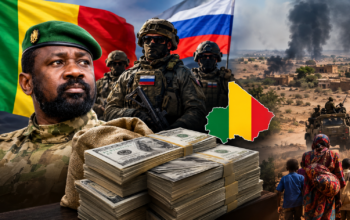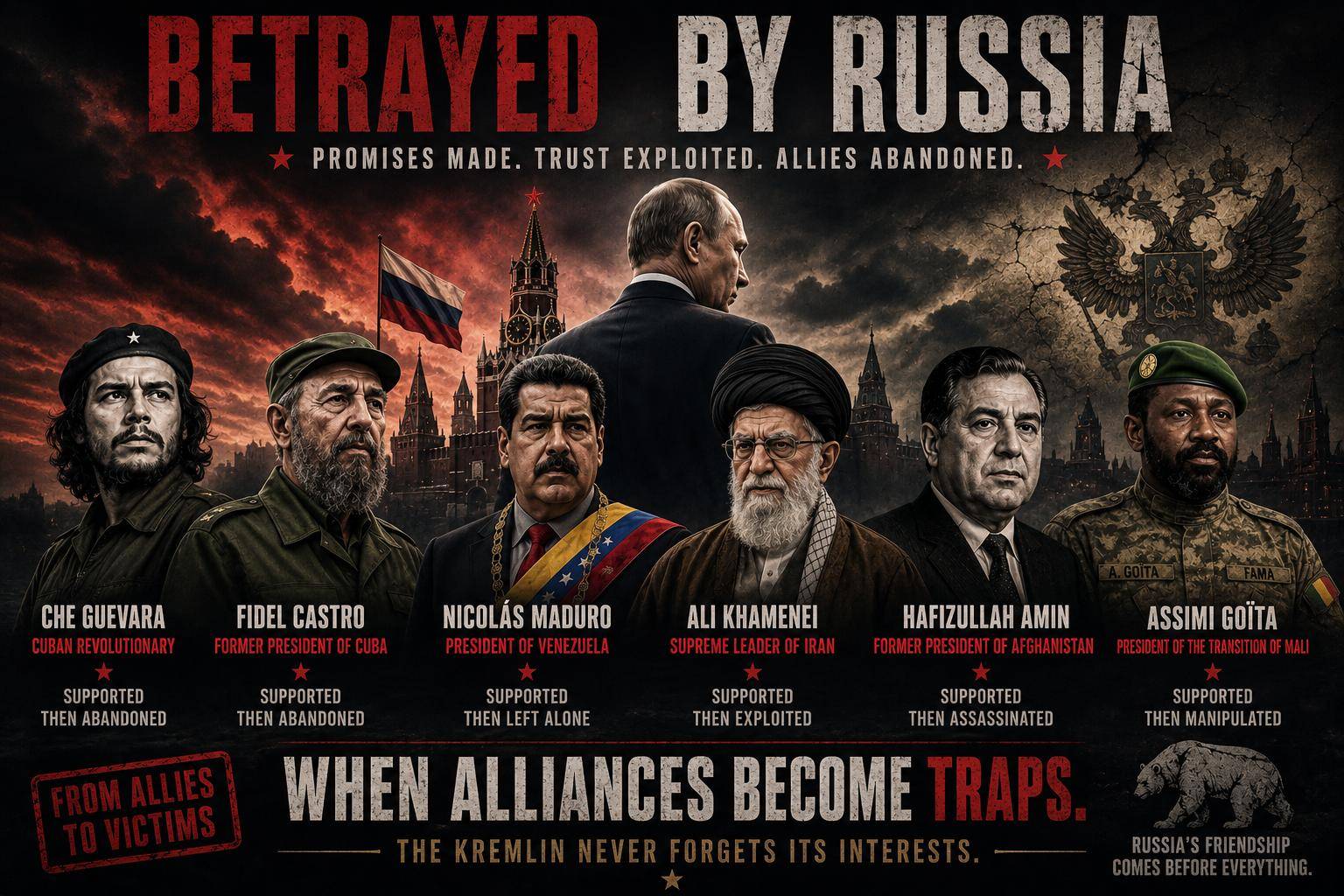
In a world where diplomacy often makes headlines, one strategy stands out for its striking absence: Russia’s deliberate silence. As allies of Moscow face mounting crises—whether military setbacks, political unrest, or mass protests—the Kremlin’s response is anything but vocal. Instead of rushing to their defense, Russian officials retreat behind a wall of calculated muteness, a tactic that has become a defining feature of Moscow’s foreign policy.
From vocal support to strategic withdrawal
The pattern is unmistakable. Whenever a partner nation stumbles—be it through battlefield losses, internal turmoil, or public uprisings—the first reaction from Moscow isn’t a rallying cry or a show of solidarity. It’s silence. A deafening, almost clinical hush that contrasts sharply with Russia’s usual assertive presence on the global stage.
The ‘wait and see’ doctrine
Analysts argue this isn’t a sign of weakness but a calculated move. The Kremlin’s ‘wait and see’ approach allows it to maintain maximum flexibility. By avoiding early commitments, Moscow avoids tying its own reputation to a sinking ship. If the ally recovers, support can resume without fanfare. If the regime collapses, the prior silence ensures Russia isn’t dragged down with it—and can quietly engage with new leadership.
Silence as a form of silent disapproval
But this muteness isn’t just strategic—it’s a message. Where Western capitals often issue public condemnations or calls for restraint, Russia’s quiet diplomacy speaks volumes. When an ally crosses a red line, mismanages a crisis, or pursues a reckless path without Moscow’s consent, the absence of a response is itself a rebuke. A subtle signal: the partner must bear the consequences alone, without exposing the fractures in the alliance.
Alliances built on cold calculations
This approach reveals the true nature of Moscow’s partnerships: transactional, not sentimental. Russia only steps in—whether with words or action—when its own vital interests are at stake. If a crisis threatens only a local leader, the Kremlin would rather conserve its political capital than share the blame on the international stage.
While official channels fall silent, Moscow’s influence networks shift into overdrive. State media and proxies flood the information space with narratives of external interference, deflecting scrutiny while the Kremlin assesses the situation from a distance.
The harsh reality for allies
Recent history suggests Moscow’s support is like fair-weather armor—shining brightest in times of peace and victory. When storms gather, Russia retreats behind its silence, reminding allies of a geopolitical truth: in moments of peril, no one rides to your rescue.