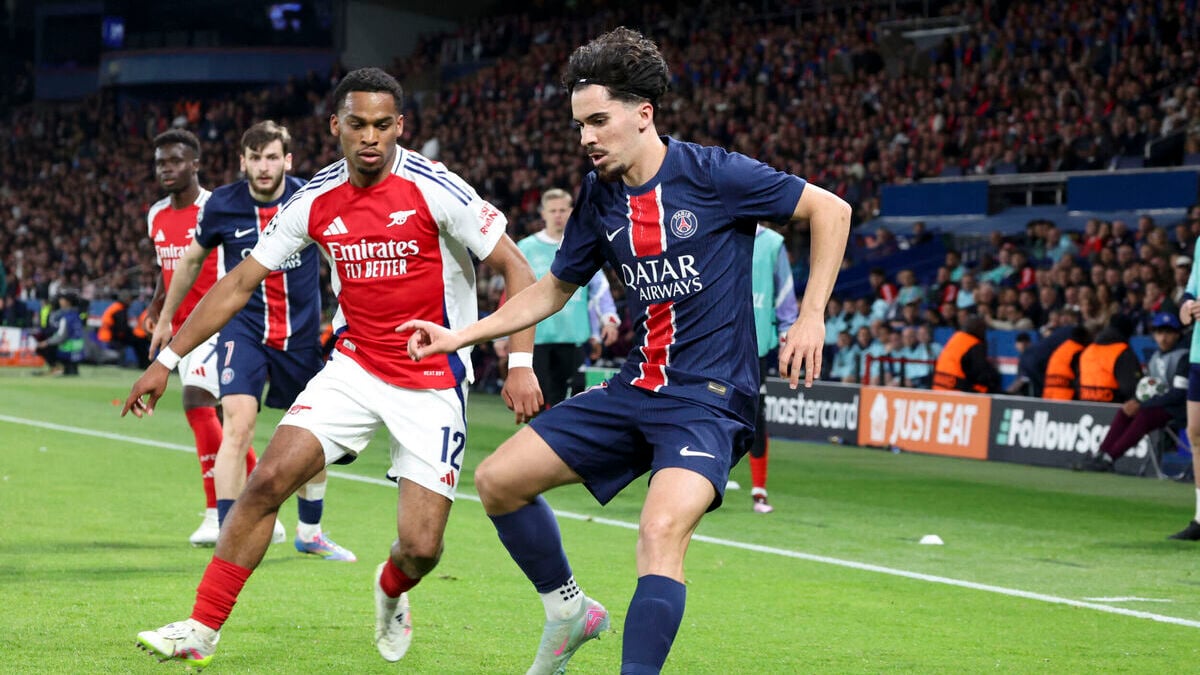
When the UEFA Champions League final kicks off at 6 PM instead of the traditional 9 PM, football fans worldwide take notice. This year, the highly anticipated clash between Paris Saint-Germain and Arsenal will unfold under Budapest’s floodlights on 30 May 2026—but at an earlier-than-usual 18:00 local time. The shift marks a strategic move by UEFA to redefine how the biggest match of the season is experienced by both spectators and broadcasters.
Why the UEFA Champions League final now starts at 18:00
The decision wasn’t made lightly. For years, the Champions League final has been played at 21:00 CET, a prime slot for European audiences. However, UEFA has now opted for an 18:00 start to address several pressing concerns. First and foremost, it eases the physical toll on players who will have just completed a grueling domestic and international season, including many who will head straight to the 2026 FIFA World Cup in North America after the final whistle.
Logistics within the stadium also benefit from the earlier kickoff. Organizers gain valuable time to manage crowd flow, emergency services, and post-match operations—critical in ensuring safety and comfort for the 65,000-plus fans expected at Puskás Aréna. For supporters, this means shorter queues, reduced post-match congestion, and a more relaxed journey home.
Local economy and broadcast impact
The ripple effects extend beyond the pitch. Budapest’s hospitality sector—restaurants, bars, and cafés—stands to gain significantly. With fans having extra hours before flights or trains, many will linger to celebrate a victory or drown sorrows together, boosting local revenue. The city’s tourism board has already begun promoting late-evening dining experiences tailored for Champions League crowds.
Television audiences, too, will experience a shift. In France, the final will air on Canal+ and be broadcast for free on M6—a continuation of the dual-platform strategy that paid off handsomely when PSG won last year. That match drew an average of 8.67 million viewers in France, peaking at 10.3 million, making it the most-watched sporting event of 2025. With the new 18:00 start, families and younger viewers will be able to tune in without staying up past bedtime—a key development for broadcasters targeting a broader, more inclusive audience.
For Asian markets, where finals often meant late-night or early-morning viewing, the earlier time means prime-time accessibility for the first time in years. This could expand the competition’s global footprint and attract new sponsors from the region.
What’s next for UEFA’s scheduling strategy
UEFA has confirmed this 18:00 kickoff will become the standard for all future Champions League finals, beginning with the 2026–27 season. The move reflects a broader shift toward sustainability, player welfare, and fan-centric scheduling. While purists may mourn the loss of the classic night-time spectacle, the benefits—for players, organizers, cities, and viewers—are hard to ignore.
As for PSG and Arsenal, both squads will have to adapt quickly. The earlier start may favor teams with strong tactical discipline and late-game stamina, while the psychological impact on players used to peak performance under the Friday-night lights remains to be seen. One thing is certain: by 10:30 PM local time, Budapest will have written a new chapter in Champions League history—and football fans will be watching.