Senegal’s political landscape shifts as Sonko takes Assembly helm
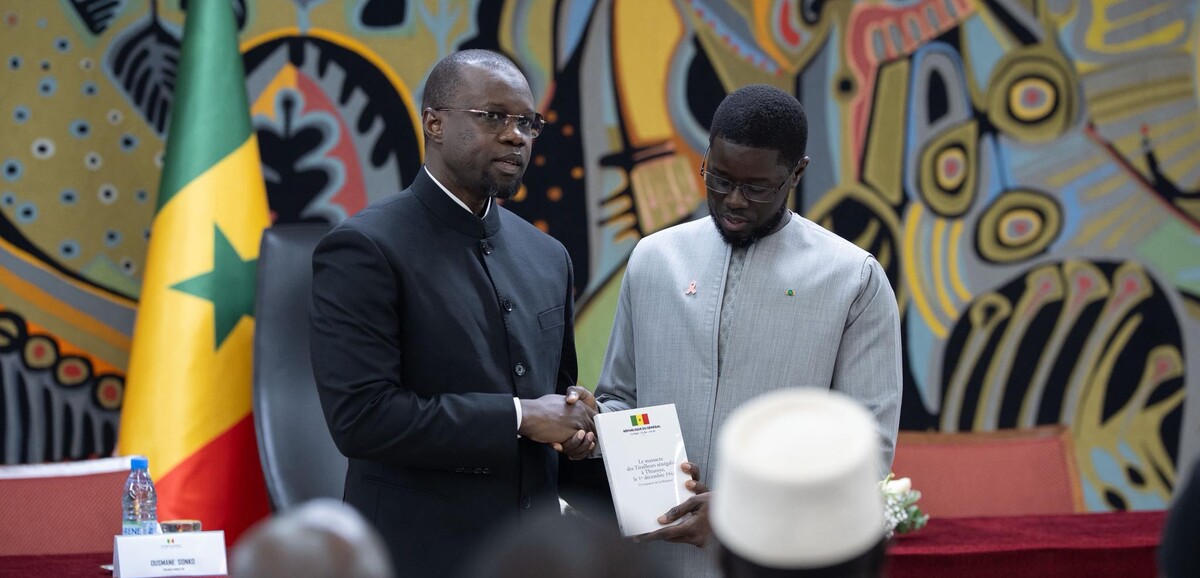
Dakar — In a dramatic political turnaround, Ousmane Sonko has been elected President of Senegal’s National Assembly just five days after his dismissal as Prime Minister. The move comes as President Bassirou Diomaye Faye appoints a new head of government to steer the country’s executive branch.
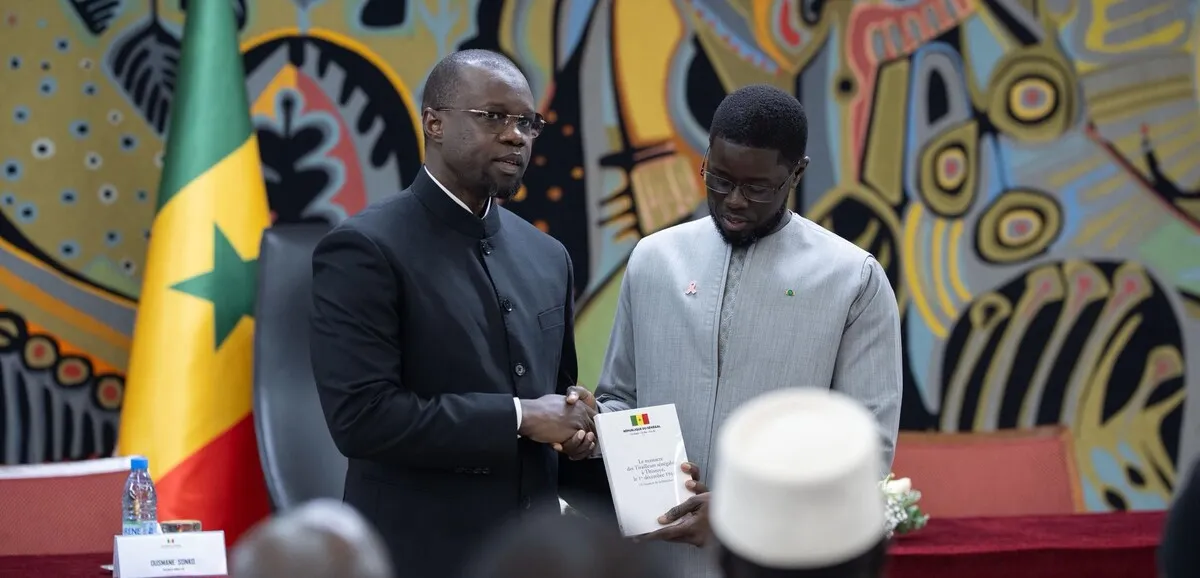
From dismissal to Assembly leadership: Sonko’s rapid political comeback
Sonko’s election to the Assembly presidency follows his controversial removal from the Prime Minister’s office earlier this week. Observers note that his reintegration as a deputy and subsequent rise to Assembly leadership has sparked legal and political debates about constitutional procedures.
The former Prime Minister, who led the victorious 2024 electoral list, initially chose to remain in government before his recent dismissal. His return to the Assembly has raised questions about parliamentary rules and whether his reintegration followed proper legal channels. Constitutional experts continue to analyze the circumstances surrounding his eligibility and election.
A technical economist takes the helm at the Prime Minister’s office
President Faye has appointed Amadou Al-Aminou Lo, a seasoned economist and former central banker, as the new Prime Minister. Lo’s appointment reflects a strategic choice given Senegal’s current economic challenges, including financial market volatility and inflationary pressures.
Known for his expertise in monetary policy and financial systems, Lo previously served as Secretary-General of the government under both President Faye and Sonko. His technical background positions him as a figure capable of navigating complex economic landscapes while maintaining political balance.
The appointment has drawn interest from political analysts, particularly regarding its potential impact on the PASTEF party’s influence in the new government. While Lo’s selection may not satisfy all political factions, his familiarity with both key leaders could facilitate smoother governance during turbulent times.
Sonko’s conciliatory tone amid political tensions
In his first address as Assembly President, Sonko struck a conciliatory tone, emphasizing the importance of dialogue and national priorities. He expressed openness to collaboration while highlighting the need to uphold the promises made to Senegalese citizens.
Sonko acknowledged that the Prime Minister’s appointment ultimately rests with the President but expressed disappointment at not being consulted, citing his role as leader of the largest political party and head of the parliamentary majority. His remarks suggest a willingness to engage in constructive discussions despite political differences.
The new Assembly President also reiterated the significance of the PASTEF party’s political platform, which resonated strongly with voters during the 2024 elections. He emphasized that the party’s core principles—economic reform, accountability, and justice—should guide government action.
Future government composition remains uncertain
Analysts are closely watching whether PASTEF members will be represented in the incoming cabinet. Sonko’s earlier government included several PASTEF-affiliated ministers, and their potential reappointment could signal the party’s continued influence in shaping national policy.
The political dynamics in Senegal remain fluid, with Sonko’s dual role as Assembly President and PASTEF leader positioning him as a central figure in future negotiations. His call for dialogue suggests an attempt to bridge divides while maintaining pressure on the government to deliver on electoral promises.
As Senegal navigates this period of transition, the balance between political representation and technical governance will be crucial in addressing the economic and social challenges facing the nation.