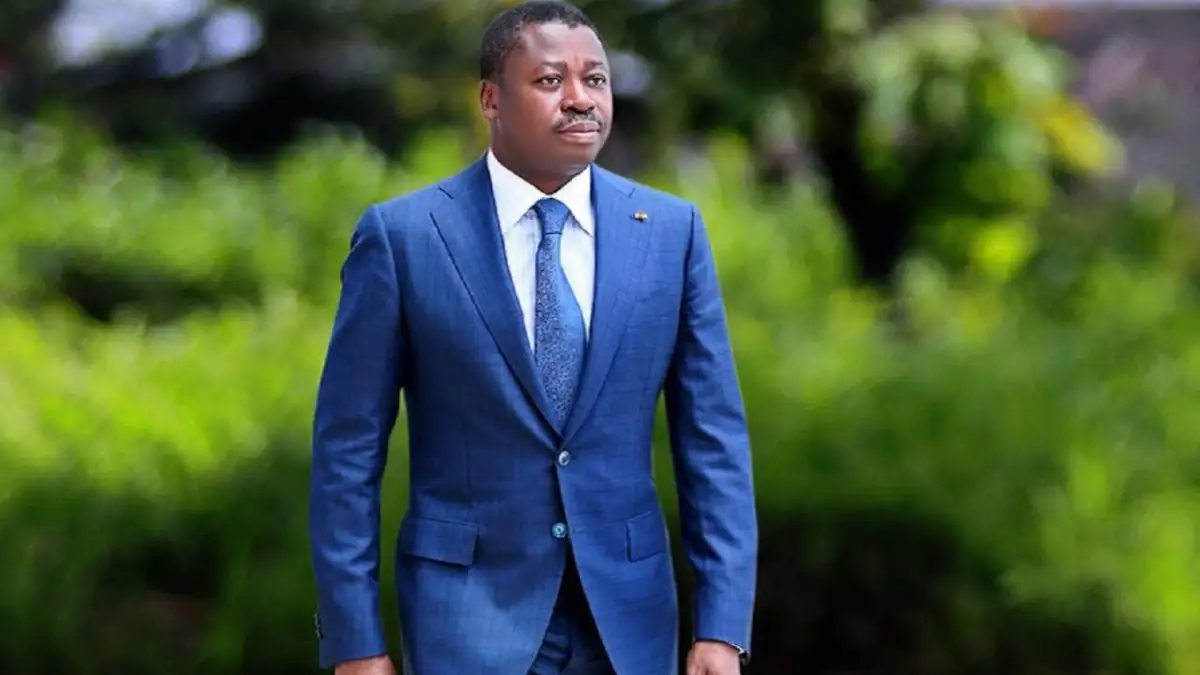
The Nuclear Energy Innovation Summit for Africa is underway in Kigali, Rwanda, drawing high-level African leaders to discuss the continent’s nuclear energy future. On May 19, Togolese President Faure Gnassingbé outlined his vision for Africa’s nuclear sector, emphasizing a collaborative approach with international energy stakeholders amid growing nuclear ambitions across the continent.
Addressing participants, the Togolese head of state rejected a one-sided transfer of technology, stating, « Africa isn’t asking for handouts—it’s offering a partnership, a market, and a mature vision for its own energy future ».
African nations seek renewed role in civil nuclear development
Several African countries are accelerating their civil nuclear programs, with Egypt constructing the El Dabaa plant with international technical and financial support. South Africa, home to the Koeberg plant, remains the only nation on the continent with operational nuclear infrastructure.
According to the International Atomic Energy Agency, multiple African states are in talks with foreign partners to expand nuclear power capabilities, primarily to meet surging energy demand and address persistent electricity access gaps. Gnassingbé’s remarks reflect Africa’s push to reposition itself in nuclear technology negotiations, prioritizing market-driven cooperation and economic collaboration.
Uranium resources and technological dependence
Africa holds significant uranium reserves, with countries like Niger and Namibia among the continent’s key producers. This mineral is vital for nuclear fuel, yet African nations remain heavily reliant on foreign technology for reactor design, construction, and operation. Most ongoing programs depend on partnerships with advanced nuclear industries abroad.
Training, regulation, and funding: critical challenges
Key discussions at the summit highlighted the need for robust human capacity-building, including specialized engineering training and nuclear safety personnel. Establishing independent regulatory bodies emerged as a cornerstone for any civil nuclear infrastructure development. Financing, often requiring multi-billion-dollar investments over decades, remains another hurdle for African governments. The next steps include finalizing cooperation agreements announced during the event and launching national nuclear development programs in participating countries.