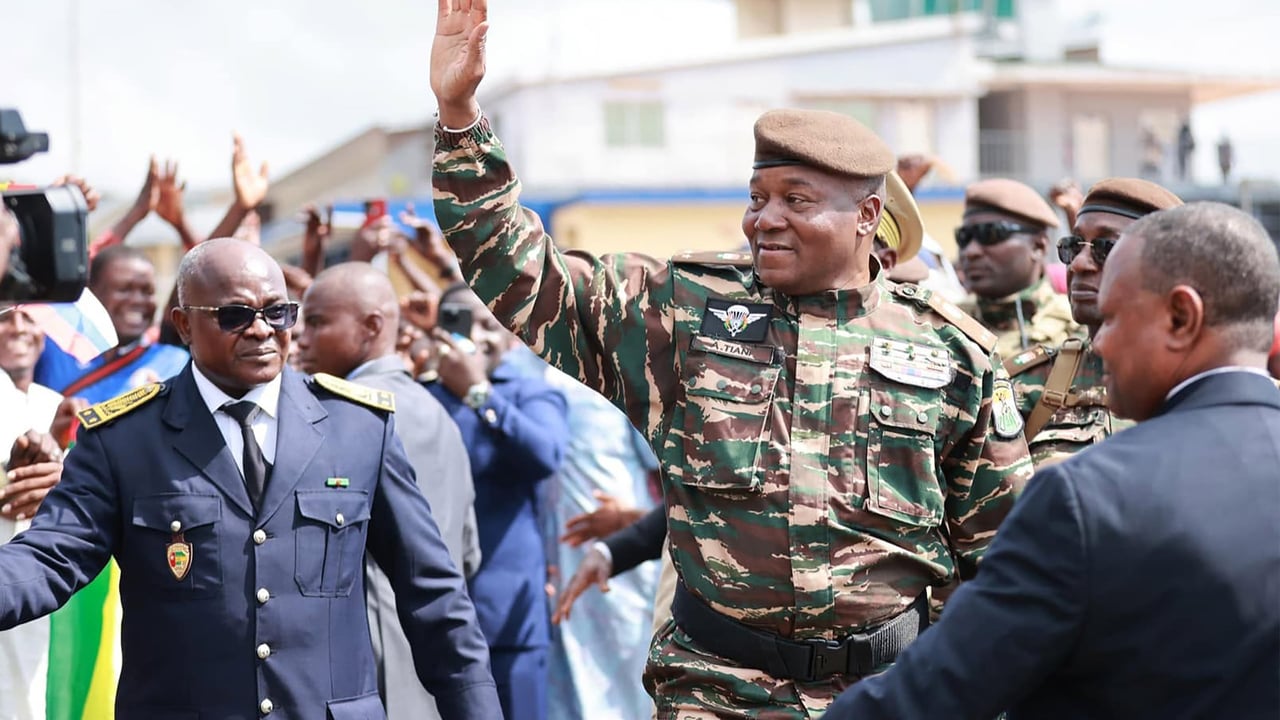
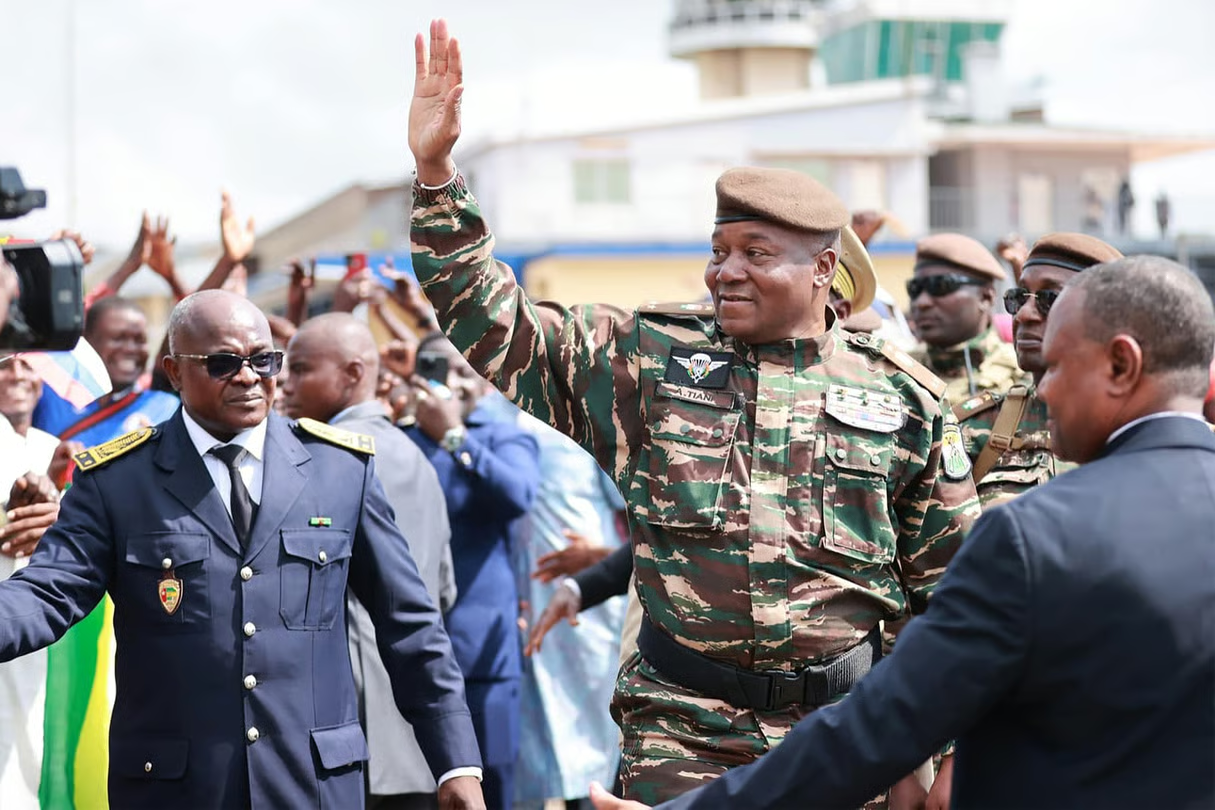
Since assuming office, Abdourahamane Tiani has steered Niger along a path defined by pragmatic decision-making and a fresh approach to regional diplomacy. His leadership style contrasts sharply with the policies of his predecessor, Mohamed Bazoum, as the country navigates complex geopolitical challenges in the Sahel.
a new diplomatic vision for the Sahel
Under President Tiani’s guidance, Niger has recalibrated its foreign policy to prioritize regional stability and mutual cooperation. The country’s withdrawal from the Economic Community of West African States (ECOWAS) marked a turning point, signaling a refusal to bow to external pressures and a commitment to defending national sovereignty.
The Alliance of Sahel States (AES), forged in collaboration with Mali and Burkina Faso, now serves as the cornerstone of Niger’s strategic alliances. This mutual defense pact underscores a shared vision: fostering economic and security partnerships without interference from foreign powers.
key alliances reshaping west africa
The AES has emerged as a bold alternative to traditional regional blocs, positioning itself as a counterbalance to Western influence. Among its most notable collaborations:
- Mali’s transitional leadership, under the guidance of Assimi Goïta, has aligned closely with Niger’s trajectory, reinforcing the AES’s collective stance on regional autonomy.
- Burkina Faso’s strategic pivot, led by Ibrahim Traoré, has further cemented the alliance’s resolve to prioritize African-led solutions over external mandates.
- Engagement with Libyan factions, including Khalifa Haftar’s forces, has opened new avenues for security cooperation across the Sahel.
economic resilience amid sanctions
Niger’s resilience in the face of regional sanctions has been a testament to its adaptability. The government has leveraged domestic resources and alternative trade routes to mitigate economic disruptions. Key measures include:
- Expanding artisanal gold mining and other extractive industries to bolster revenue.
- Strengthening ties with non-traditional partners, particularly in Eastern Europe and the Middle East.
- Launching infrastructure projects to reduce dependency on neighboring states.
The leadership’s pragmatic stance has not only shielded Niger from economic collapse but also positioned it as a model for other African nations facing similar challenges.
balancing security and sovereignty
Security remains a top priority for President Tiani, who has sought to redefine Niger’s role in the fight against terrorism. By reducing reliance on foreign military support, the government has instead focused on local security forces and regional intelligence-sharing.
This approach has paid dividends, with a noticeable decline in cross-border attacks attributed to improved coordination among AES member states. However, challenges persist, particularly in managing relations with former allies like Benin and Senegal, where diplomatic tensions linger.
the road ahead for Niger
As Niger moves forward, President Tiani’s leadership continues to shape the country’s future. The pragmatic realism driving his policies reflects a broader shift across the Sahel, where nations are increasingly asserting their independence from Western influence.
With the AES alliance gaining momentum and economic strategies bearing fruit, Niger stands at a crossroads. The choices made today will determine whether it becomes a beacon of self-determination or succumbs to the pressures of a volatile region.