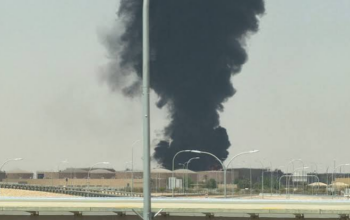

In a bold and unprecedented move, armed factions linked to the Islamic State in the Greater Sahara (EIGS) launched a daring assault right in the heart of Niamey, Niger’s capital. On the night of January 28 to 29, 2025, dozens of militants targeted both Niamey’s international airport and the adjacent 101 military base. The attackers unleashed heavy gunfire, struck civilian aircraft with bullets, and set fire to military equipment, revealing critical vulnerabilities in the country’s defense infrastructure.
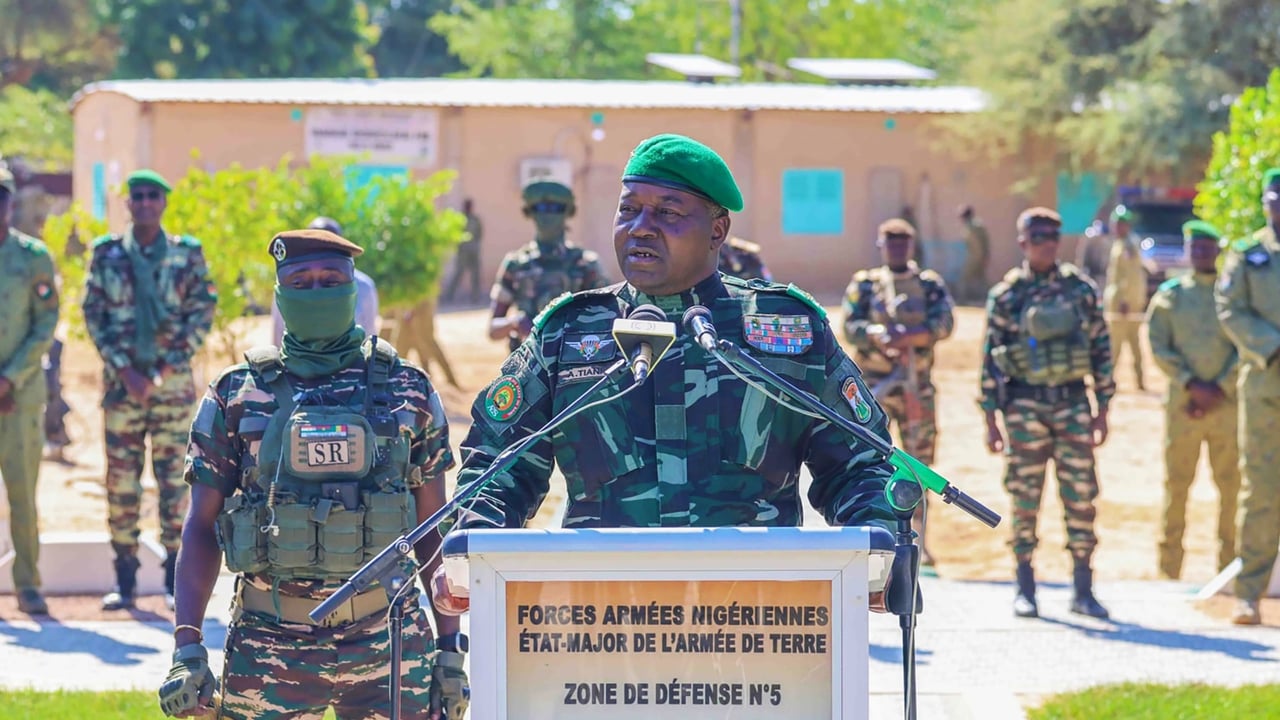
Videos released by the assailants showcased their coordinated operation, highlighting the sophistication of their tactics. This brazen attack raises pressing questions about the effectiveness of Niger’s security policies under President Abdourahamane Tiani’s leadership, particularly in the Sahel region where instability continues to escalate.
what challenges does Niger face under tiani’s security strategy?
The January assault in Niamey is not an isolated incident but part of a broader pattern of escalating violence across the Sahel. Since taking office, President Tiani has faced mounting pressure to curb the growing influence of jihadist groups, including the EIGS and the Group for the Support of Islam and Muslims (JNIM). These armed factions have exploited porous borders and weak governance to expand their operations, posing severe threats to regional stability.
The Nigerien government has implemented several counterterrorism measures under Tiani’s administration, including:
- enhanced military coordination with neighboring countries like Mali, Burkina Faso, and Chad to strengthen regional defense capabilities;
- intelligence-sharing initiatives to disrupt terrorist networks and preempt attacks;
- community engagement programs aimed at isolating extremist groups by addressing local grievances and promoting economic development.
Despite these efforts, critics argue that Tiani’s approach has struggled to contain the rising tide of insurgency. The recent breach of Niamey’s security perimeter underscores the urgent need for more robust strategies to protect civilian and military assets.
how are regional dynamics shaping Niger’s security landscape?
The Sahel remains one of the most volatile regions in West Africa, with Niger caught in the crossfire of geopolitical tensions and extremist violence. The withdrawal of international forces, such as French troops, has further complicated counterterrorism efforts, leaving Niger more reliant on its own resources and regional alliances.
Tiani’s administration has prioritized strengthening ties with the Alliance of Sahel States—a coalition formed with Mali and Burkina Faso—to foster mutual defense and economic cooperation. This alliance aims to reduce dependence on Western security partnerships while addressing shared threats.
However, the alliance faces criticism for its democratic backsliding and reliance on authoritarian governance models, which some analysts believe could undermine long-term stability and international support.
what lies ahead for Niger’s security future?
The January 28 assault on Niamey serves as a stark reminder of the persistent security challenges facing Niger. As President Tiani navigates these turbulent waters, the international community will be closely watching his next moves. Will he double down on military solutions, or will he seek innovative approaches to address the root causes of extremism?
The coming months will be crucial in determining whether Niger can reclaim its position as a stabilizing force in the Sahel or succumb to the relentless pressure of armed groups. One thing is certain: the stakes could not be higher for a nation at the crossroads of Africa’s security crisis.