Niger grapples with concurrent polio and COVID-19 outbreaks
As the SARS-CoV-2 pandemic continues to strain healthcare systems worldwide, the Republic of Niger faces an additional public health emergency: a resurgence of paralytic poliomyelitis.
Dual health crises challenge Niger’s medical infrastructure
While COVID-19 predominantly affects the respiratory system through airborne transmission via coughs and sneezes, poliomyelitis spreads through contaminated water or food and poor hygiene practices. Despite their different transmission routes, both diseases share overlapping symptoms such as fever, headaches, and coughing, complicating early differential diagnosis.
The Nigerien authorities recently confirmed two new cases of vaccine-derived poliovirus in children residing in the regions of Niamey and Tillaberi. This development follows the country’s declaration of victory over previous polio outbreaks in 2019, which had been achieved through extensive mass vaccination campaigns.
Vaccination campaigns halted by COVID-19 protocols
“The poliovirus will inevitably continue to circulate and potentially paralyze more children, as timely high-quality vaccination campaigns cannot currently be implemented,” warns Dr. Pascal Mkanda, Polio Eradication Programme Coordinator for the World Health Organization’s African Region.
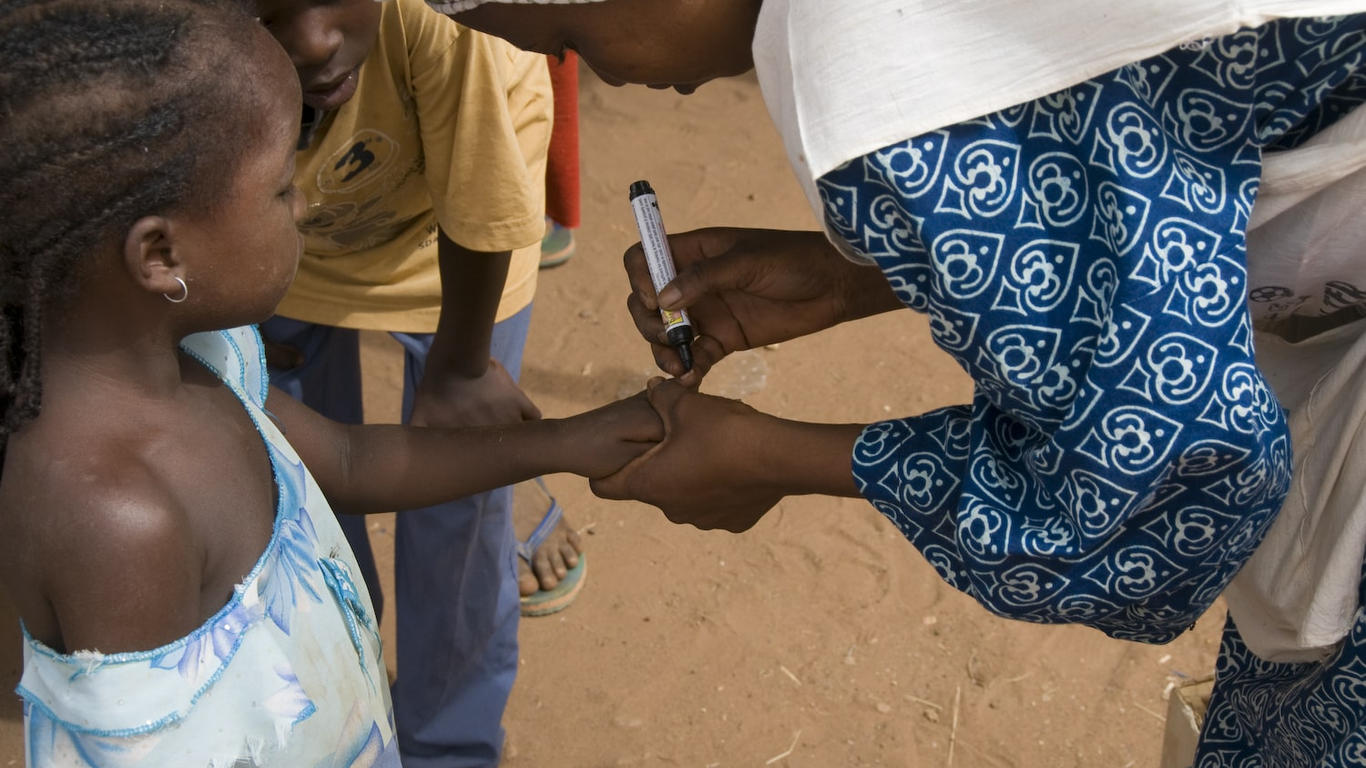
The global response to COVID-19 has necessitated strict social distancing measures and enhanced hand hygiene protocols, rendering large-scale polio immunization drives impractical. These suspended campaigns have created critical gaps in childhood immunity against poliomyelitis.
In December of the previous year, Niger joined Kenya and Mozambique in declaring the end of prolonged 24-month polio outbreaks. However, the current cases of circulating vaccine-derived poliovirus represent a new transmission chain unrelated to the previously contained outbreaks.
Regional implications of vaccine-derived poliovirus circulation
Expanding outbreak footprint across West and Central Africa
Niger now joins 14 other African nations experiencing circulating vaccine-derived poliovirus outbreaks, including Angola, Benin, Burkina Faso, Cameroon, Central African Republic, Chad, Côte d’Ivoire, Democratic Republic of Congo, Ethiopia, Ghana, Mali, Nigeria, Togo, and Zambia. The collective challenges facing these nations include:
- Suboptimal routine vaccination coverage
- Vaccine hesitancy within communities
- Geographical access barriers to healthcare facilities
- Inconsistent campaign quality
These factors have collectively hindered the achievement of universal childhood immunization against poliomyelitis.
Global health response and prevention strategies
While mass vaccination initiatives have been postponed until further notice, the WHO’s African Regional Polio Eradication Programme continues to maintain essential disease surveillance functions. Though no cure exists for poliomyelitis, the disease is entirely preventable through vaccination. Current efforts across Niger and other affected African nations focus on rapidly boosting herd immunity among children to protect against poliomyelitis-induced paralysis.