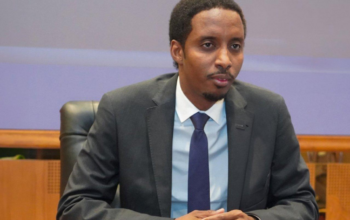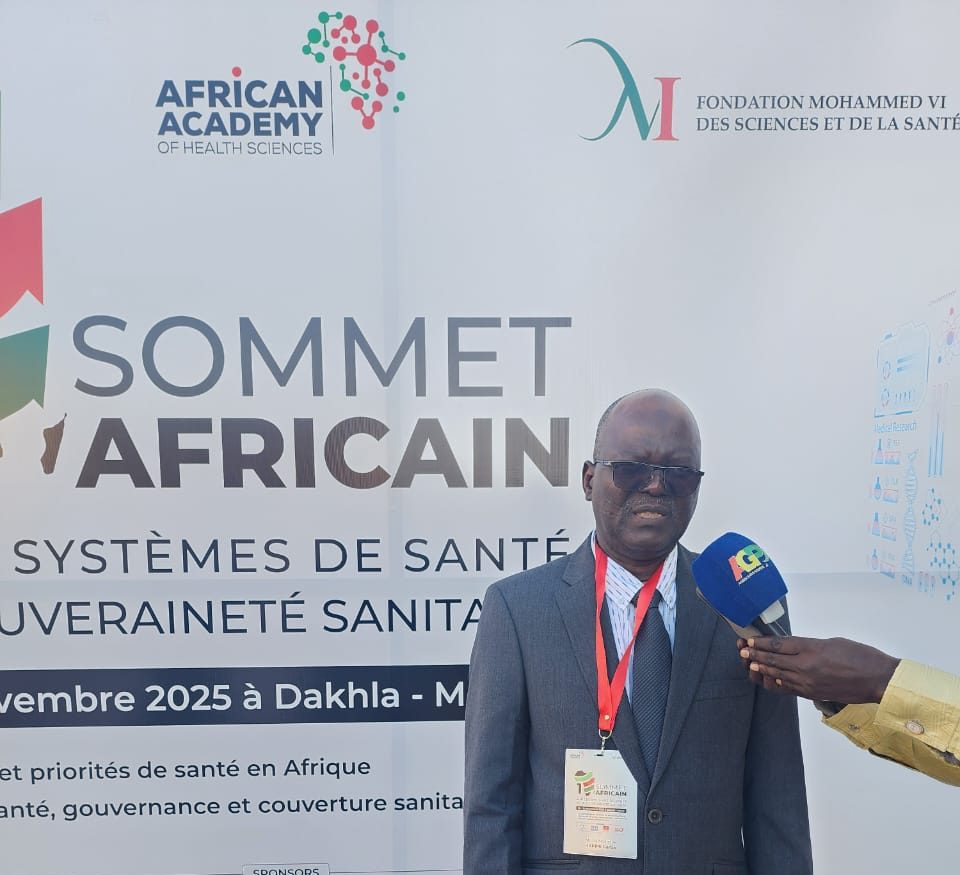
The Nigerien Minister of Public Health and Hygiene, Colonel Major Garba Hakimi, declared at the close of the First African Summit on Health Systems and Health Sovereignty in Dakhla, Morocco, that Niger is firmly committed to achieving health sovereignty. Speaking to the National Press Agency (ANP) after two days of intensive discussions, he highlighted the nation’s progress under the leadership of President General Abdourahmane Tiani and Prime Minister Ali Lamine Zeine.
building a robust health infrastructure
According to Minister Hakimi, Niger’s health sovereignty strategy is built on three pillars: infrastructure development, advanced medical equipment, and human resource capacity. Over recent years, substantial investments have been made in constructing modern hospitals and integrated health centers nationwide. These facilities are designed to strengthen primary healthcare delivery in communities, ensuring accessible and effective care for all citizens.
The minister emphasized that diagnostic accuracy and curative care depend on access to cutting-edge medical technology. He pointed out that while equipment is vital, it must be paired with skilled professionals. As a result, ongoing training and specialization programs are being implemented to equip doctors and technicians with the expertise needed to operate advanced medical tools.
financial reforms and equitable access
Niger’s health sector has seen significant financial reforms, including subsidized healthcare services for vulnerable populations and a 50% reduction in public health facility fees. These measures include free delivery services, care for children under five, and infrastructure development at all administrative levels. Such initiatives aim to expand healthcare access and move the country closer to universal health coverage—a key objective of the current administration.
Minister Hakimi expressed confidence in Niger’s trajectory, stating, “This new momentum will enable us to achieve universal health coverage, as envisioned by our leadership. With determination, we are on the right path, and with God’s will, we will succeed.”
addressing systemic challenges
During the Dakhla summit, African health experts reviewed the continent’s health systems, acknowledging both progress and persistent challenges. Major obstacles include fragile healthcare systems, governance issues, and limited financing. Minister Hakimi stressed that identifying these challenges is not enough—what matters is implementing effective strategies to build resilient, high-performing health systems capable of delivering health sovereignty.
He praised Morocco’s vision under King Mohammed VI, particularly the establishment of the African Academy of Health Sciences, which was inaugurated during the summit. The academy, along with Morocco’s commitment to constructing university hospitals and training institutions, reflects a forward-thinking approach to strengthening Africa’s health workforce—a critical component of health sovereignty.
a continental call for self-reliance
Minister Hakimi reiterated the call made by several African heads of state to allocate 15% of national budgets to health. This financial commitment, he argued, is essential for acquiring medical equipment, training personnel, and building sustainable health systems. He emphasized that health sovereignty is achievable without relying on external aid, urging African nations to prioritize domestic investment and innovative financing models.
The summit concluded with optimism about the Dakhla Declaration, a five-pillar roadmap encompassing epidemiology, human capital and training, research and innovation, financing and governance, and equitable infrastructure. Minister Hakimi stated, “If we focus on these five pillars with dedication, achieving health sovereignty is not only possible—it is within reach.”