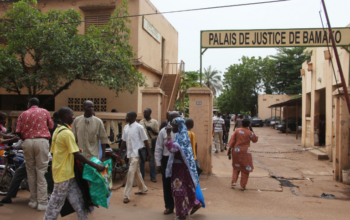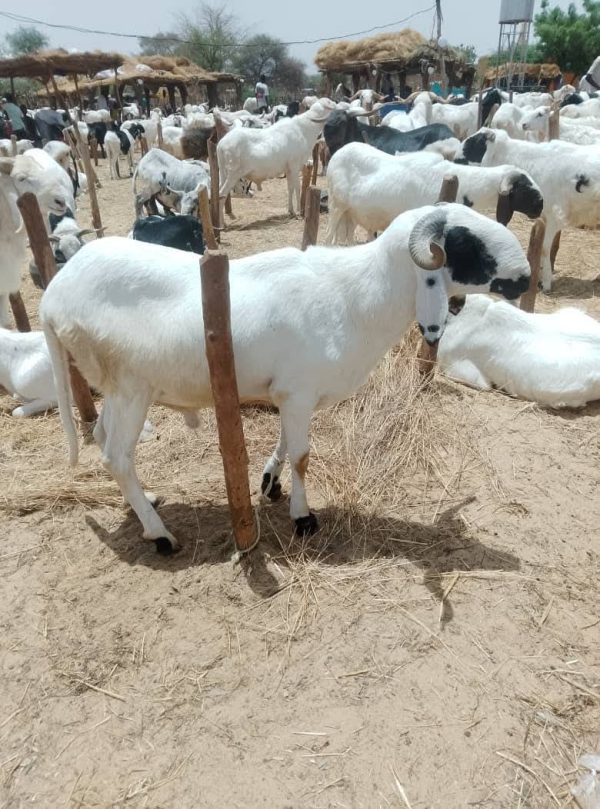
The streets of Niamey are swarming with livestock trucks, and the markets are brimming with sheep. Yet, as the city prepares for Aïd al-Adha, something is amiss—the law of supply and demand seems to have vanished. Despite an unprecedented abundance of animals, prices have skyrocketed, leaving household budgets gasping for air.
the paradox of abundance: prices defy market logic
Take a walk through Niamey, and you’ll find sheep at every turn. The hum of engines fills the air as massive trucks haul livestock from every corner of Niger. The capital is drowning in sheep, yet affordability remains a distant dream. This year’s Tabaski is unfolding against a backdrop of glaring contradictions—where overflowing markets fail to translate into relief for buyers.
Last year’s unexpected price stability has given way to the all-too-familiar pain of inflated costs. For many families, this Aïd is shaping up to be a financial tightrope walk.
skyrocketing sheep prices: what buyers are up against
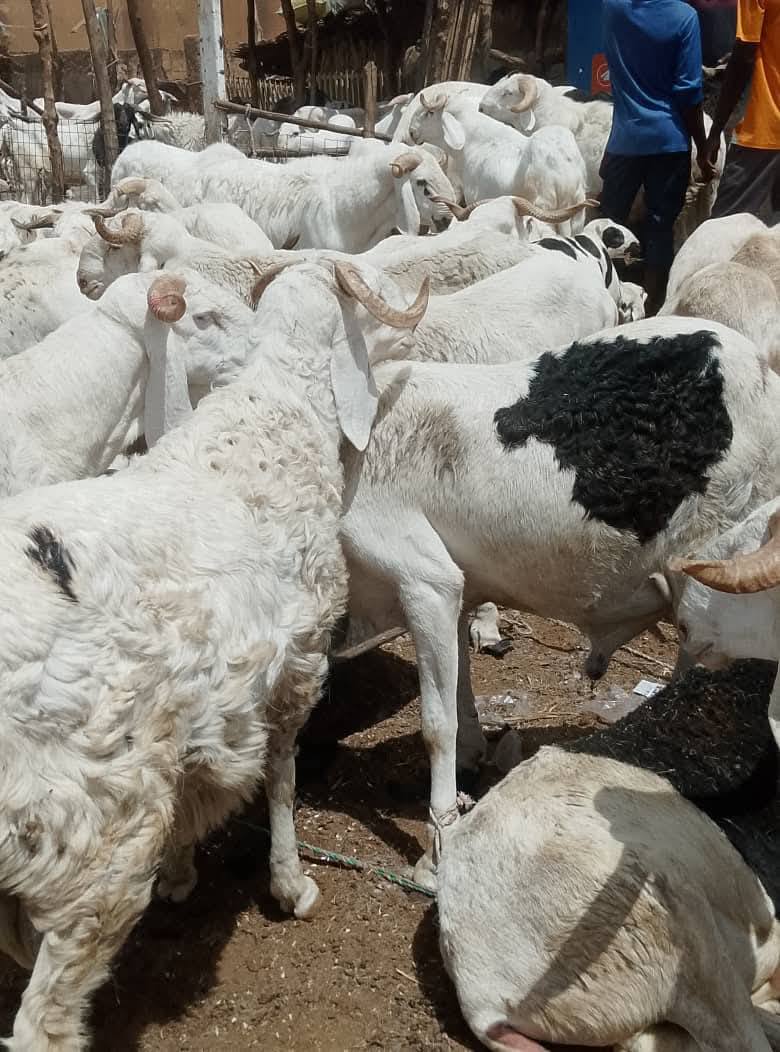
Strolling through Niamey’s markets, the sticker shock is immediate. Prices per sheep now range from 85,000 to 450,000 West African francs, depending on the animal’s quality. This week’s price list paints a stark picture of financial strain:
- Basic tier (80,000 – 100,000 FCFA): young lambs or small sheep—barely enough for the ritual sacrifice.
- Mid-tier (120,000 – 200,000 FCFA): the go-to choice for middle-class families, but one that demands serious budget adjustments.
- Premium tier (250,000 – 450,000 FCFA): sturdy rams or prized breeds—now a luxury most Nigerien households can’t afford.
even spices aren’t spared by inflation
The crisis isn’t limited to livestock. Essential grilling spices are also feeling the heat. Take dried chili peppers, for example—a staple in Tabaski meals. Despite ample supply, prices have surged by 50% in a week. A 100-kilogram sack now costs 30,000 FCFA, up from 20,000 FCFA last week. At retail, a small bundle (about 800 grams) sells for 1,000 FCFA.
families caught between hope and hardship
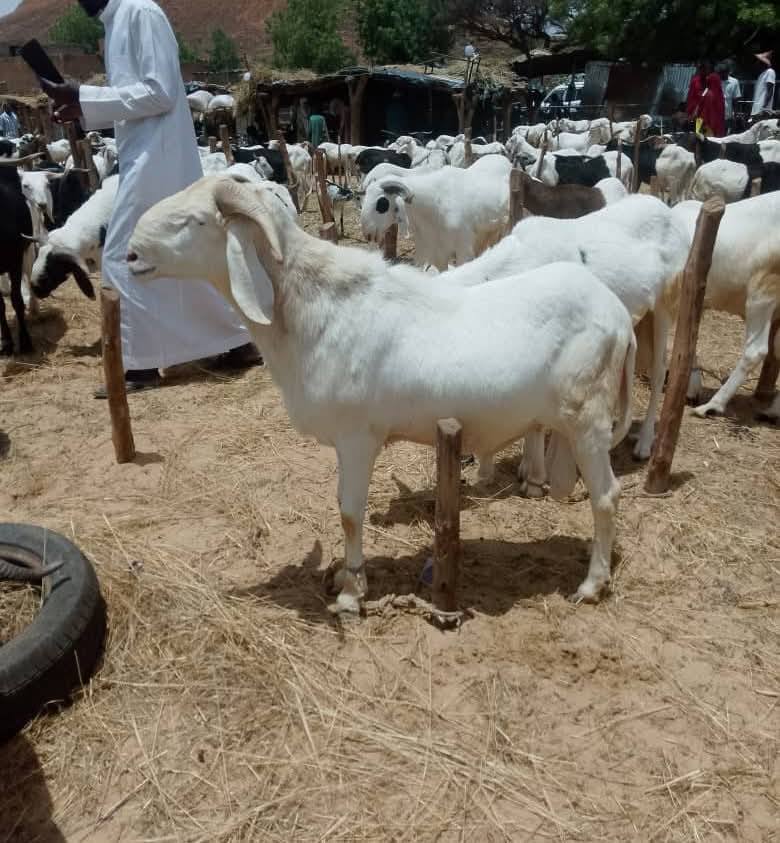
“You see sheep everywhere, but the prices? Unchanged,” laments a weary shopper near a roadside vendor. The sentiment echoes across Niamey as families brace for Tabaski 2026. Despite the visible abundance, speculation and last-minute frenzy threaten to shut out countless households from the celebrations.
As markets overflow and trucks keep rolling in, the reality for many Nigerien families is a simple truth: this Aïd will demand impossible choices.