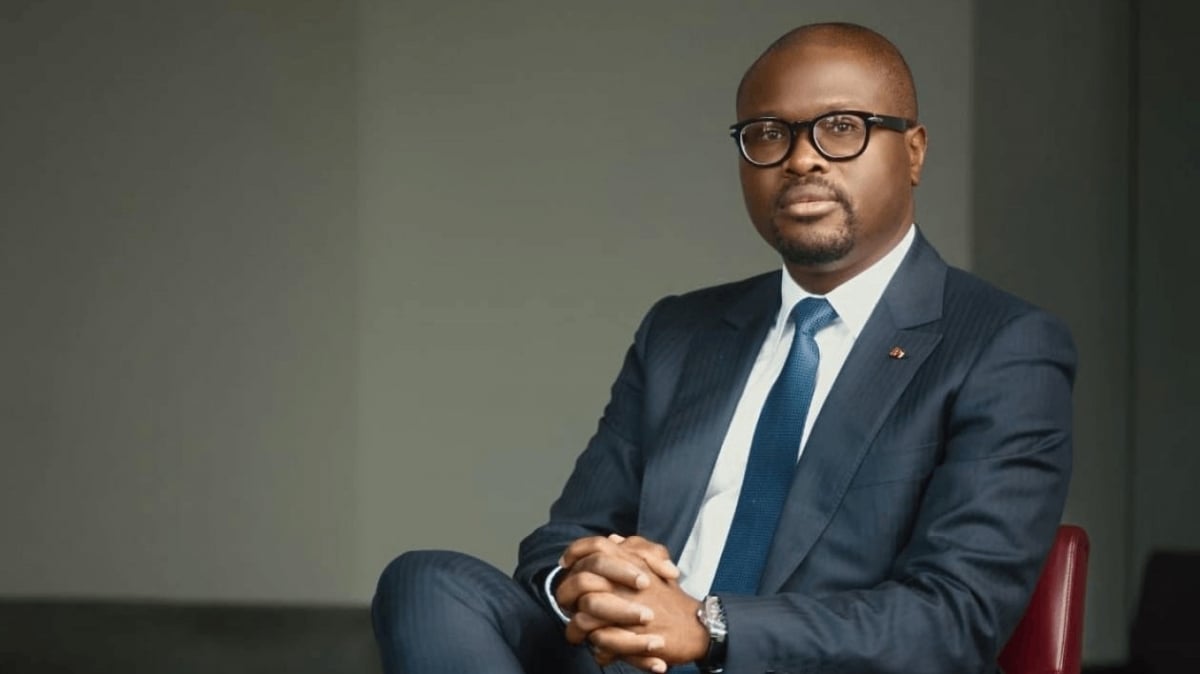
Romuald Wadagni has been sworn in as Benin’s new president following a landslide victory in the April 12 election, securing 94% of the vote against sole opponent Paul Hounkpe. The election outcome underscored a decisive mandate for continuity and reform in the West African nation.
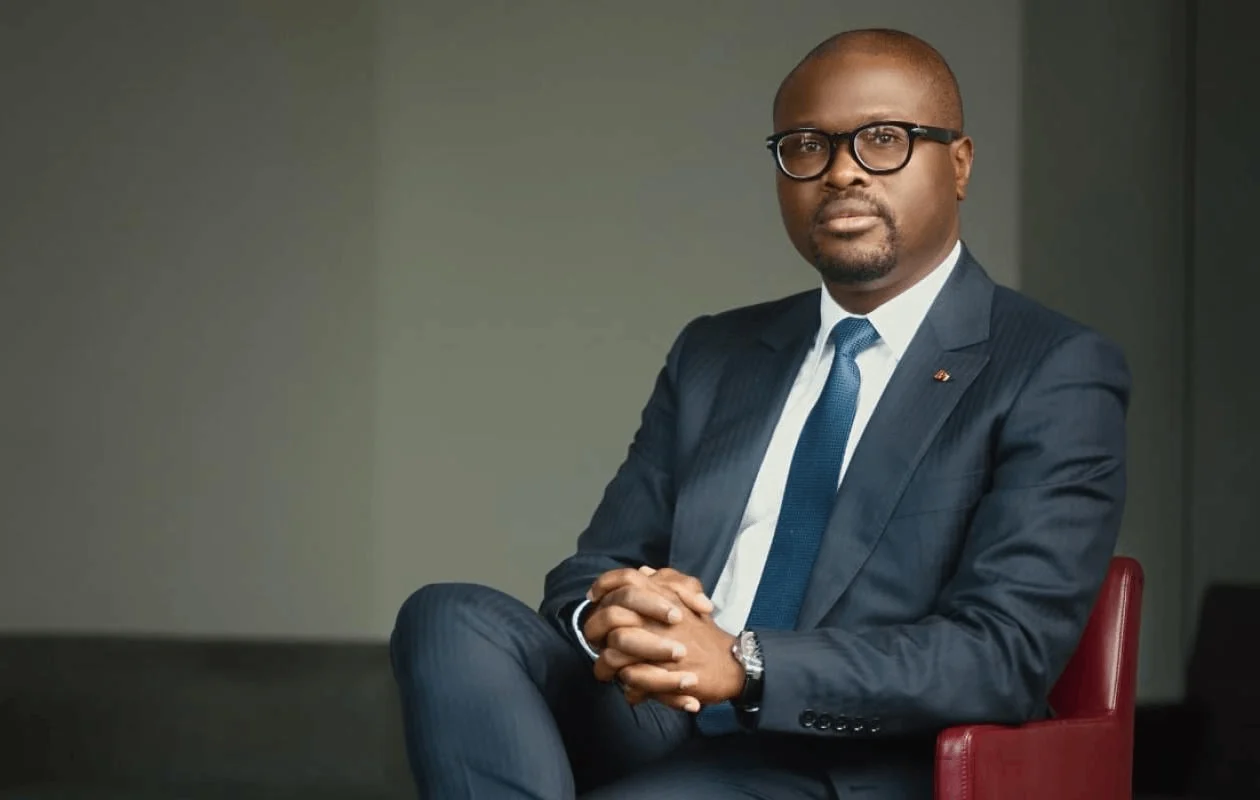
Over 6,000 dignitaries attended the inauguration ceremony, including senior state officials, constitutional council members, diplomats, and former presidents Nicéphore Soglo and Thomas Boni Yayi. Notably, Niger’s Prime Minister Ali Mahaman Lamine Zeine was also present, signaling efforts to improve bilateral relations amid recent tensions.
a bold agenda for national unity and economic resilience
Under the amended 2025 Constitution, Benin’s presidential term has been extended from five to seven years, with a two-term limit still in place. Wadagni, now the fifth president since the country’s democratic transition began in 1990, took the oath of office before Chief Justice Dorothe Sossa. In his inaugural address, he pledged to uphold the Constitution, defend peace, and foster national cohesion while serving the people with accountability.
“Benin will not yield to fear or complacency,” he declared. “Our government will act firmly against any forces threatening our security or national unity.”
The new administration has also prioritized strengthening ties with neighboring nations led by military governments, particularly Niger and Burkina Faso, aiming to restore regional stability and cooperation.
economic stewardship and social progress
Wadagni assumes office during a period of sustained economic growth in Benin, though persistent social inequalities and security threats in the northern regions remain pressing challenges. Before entering politics, he worked with Deloitte, one of the world’s leading audit firms.
Since joining the government under former President Patrice Talon in 2016, Wadagni has held key roles, including Minister of Economy and Finance, and later as Chief Minister. Over nearly a decade leading the country’s financial sector, he played a pivotal role in economic reforms. His fiscal policies helped reduce the budget deficit to around 3% of GDP, according to official reports.