On March 26, 2026, the World Bank announced the approval of a $150 million credit from the International Development Association (IDA). This significant funding aims to ensure the continued provision of vital health and education services across Mali, directly addressing the multifaceted climatic, security, and economic challenges that have impacted the nation in recent years.
Known as the Emergency Access to Essential Services in Mali Project, this initiative is designed to sustain the operational capacity of national and regional healthcare facilities. It will achieve this by covering operational expenses, guaranteeing the supply of crucial vaccines and essential medicines, and providing free healthcare services for women of childbearing age and children under five. Furthermore, the project will enhance the skills of health personnel, preparing them to effectively manage escalating health risks linked to climate change. Within the education sector, the project will support students throughout their academic journey. Key interventions include supplying educational materials, distributing school grants to the most vulnerable students, and facilitating the organization of national examinations.
This strategic operation plays a pivotal role in advancing the World Bank Group’s broader employment agenda, specifically by safeguarding and nurturing human capital within Mali.
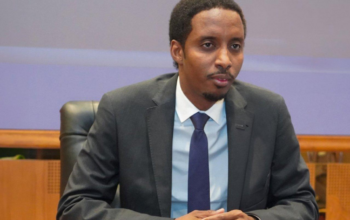
« By preserving access to health and education services amidst significant budgetary constraints, this project protects the pool of future workers and their productive capacity, » articulated Clara de Sousa, World Bank Group Division Director for Mali. « Healthy, educated children and healthy mothers form a sustainable and productive workforce.»
The project is projected to benefit 2.3 million individuals who will gain access to essential health services, with a specific focus on 1.4 million women and 391,395 children under the age of five. In the realm of education, 1.1 million students are set to receive crucial schooling support and access to national examinations under established standards, thereby promoting educational continuity and fostering human capital development.
This endeavor complements the efforts of existing development partners, building upon extensive consultations and dedicated coordination mechanisms to ensure its efficient and cohesive implementation.