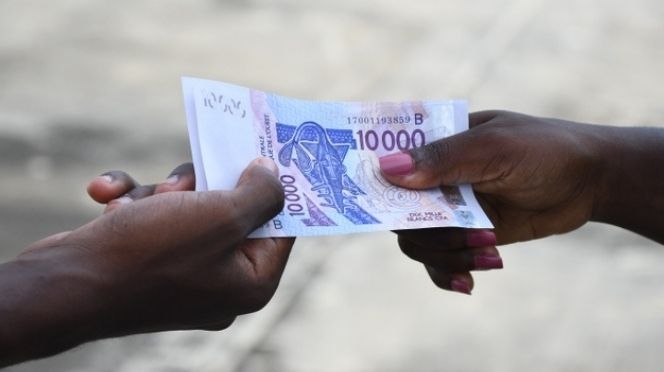
The 2024 Corruption Perceptions Index (CPI) by Transparency International, released in February 2025, ranks Mali at 136th out of 180 countries, with a score of 28 out of 100. This figure underscores the country’s ongoing struggle to combat corruption, a systemic issue that continues to undermine governance and hinder sustainable development.
According to the report, Mali faces significant erosion in its oversight institutions, with public procurement processes lacking transparency and public finance management remaining opaque. These shortcomings contribute to a widespread perception of corruption, particularly in the public administration sector. Critical services such as justice, healthcare, and education are often accessible only through favoritism or bribery, deepening public distrust in state institutions. Reports from the Office central de lutte contre l’enrichissement illicite (OCLEI) and the Bureau du Vérificateur Général further highlight these concerns.
corruption challenges across west africa
Mali is not alone in facing these issues. Several West African nations also recorded poor scores in the 2024 CPI, reflecting widespread governance weaknesses driven by corruption and financial opacity. For instance, Nigeria, the region’s largest economy, scored just 25 out of 100, highlighting severe challenges in public fund management, particularly in the oil sector. Burkina Faso, another country undergoing political transition, scored 30, remaining below the critical threshold of 50 that separates corrupt governance from relatively clean administrations.
In contrast, Ghana stands out with a score of 43, despite a slight decline, reinforcing its reputation as one of the region’s more transparent nations.
sub-saharan africa’s uphill battle against corruption
With an average score of 32 out of 100, Sub-Saharan Africa remains one of the most corruption-affected regions globally. More than two-thirds of African countries scored below 50, indicating systemic failures in anti-corruption efforts. Transparency International warns that weak oversight of climate finance, expected to support vulnerable populations, could divert critical resources away from those in need.
The most corrupt nations in the region include Somalia (11), South Sudan (13), and the Central African Republic (19), where prolonged conflicts have crippled institutional integrity.
global leaders and laggards in corruption control
On the global stage, Nordic countries continue to lead in transparency and governance. Denmark tops the ranking with a score of 90, followed by Finland (88) and Norway (87). Other high performers include Canada (75) and Germany (79), despite occasional controversies.
At the bottom of the 2024 CPI, conflict-ridden states such as Somalia (11), South Sudan (13), Syria (14), Venezuela (14), and Yemen (16) suffer from collapsed institutions, civil unrest, and rampant impunity.
urgent calls for reform in Mali
The report stresses the need for Mali to strengthen its legal framework, enhance judicial independence, and better protect whistleblowers to curb corruption effectively. Without concrete reforms, the scourge of corruption will continue to weaken institutions, stifle economic growth, and erode public trust in governance. Transparency International urges both national and international stakeholders to mobilize resources and implement robust anti-corruption measures to safeguard the country’s political stability and economic future.