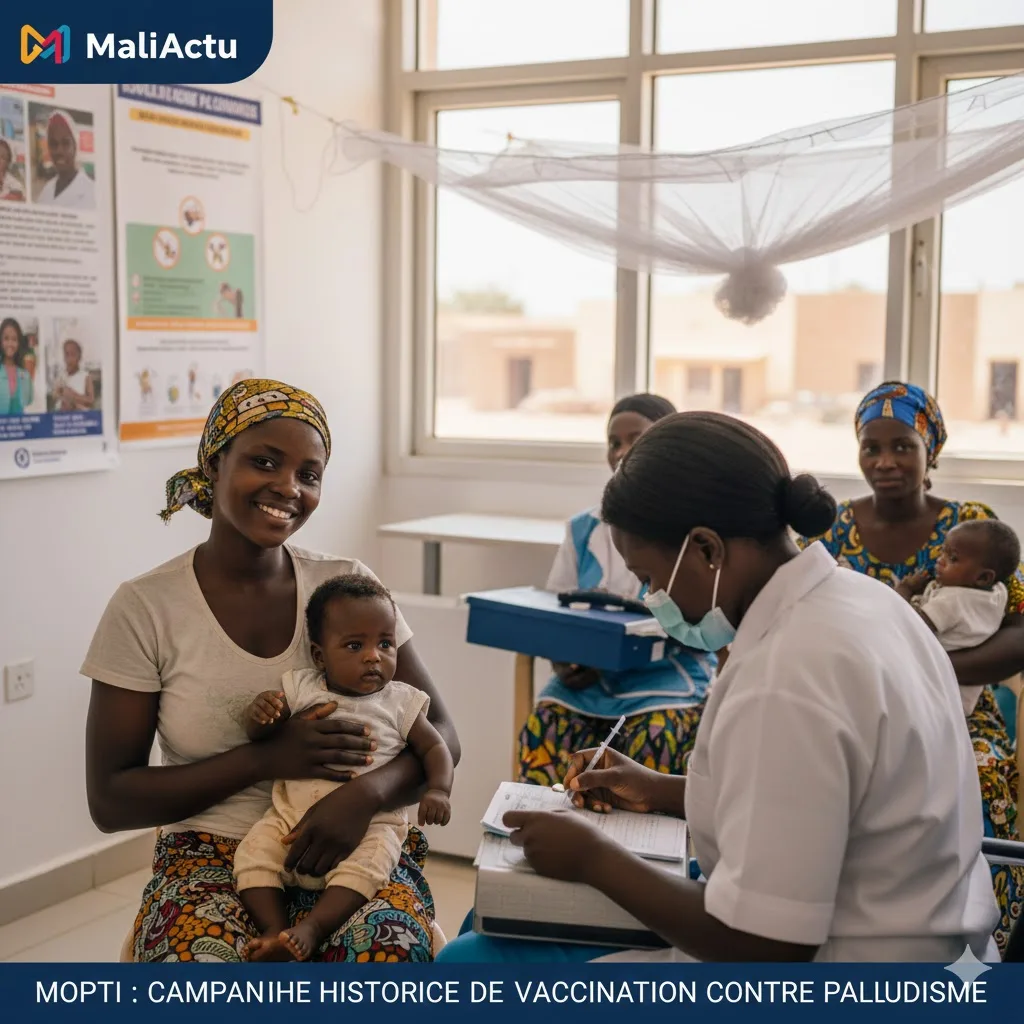

In a bold step to curb malaria nationwide, Mali has integrated the R21/Matrix-M vaccine, endorsed by the WHO, into its Expanded Programme on Immunisation. This hybrid immunisation strategy, now operational in the Kayes and Mopti regions, represents a game-changing approach to safeguarding children from the region’s most devastating vector-borne disease.
Under the leadership of Mali’s public health sector, the R21/Matrix-M malaria vaccine is being rolled out in a targeted manner across 19 districts within five regions. This initiative, made possible through partnerships with the WHO, Gavi, and UNICEF, aims to fortify the country’s immunisation infrastructure while addressing the seasonal surge in malaria transmission that coincides with the rainy season.
Tailored protection: Age-based and seasonal vaccination
Unlike conventional vaccines, Mali has embraced a two-pronged immunisation approach to enhance the efficacy of the R21/Matrix-M vaccine. This hybrid strategy includes:
- Age-specific immunisation: Ensuring that children receive the foundational doses of the vaccine as early as possible to establish a robust base level of immunity.
- Strategic seasonal administration: Delivering booster doses just before the peak malaria transmission period to maximise protection when Anopheles mosquitoes are at their most active.
Kayes and Mopti: The frontline districts for malaria control
The selection of Kayes and Mopti as the pioneering regions for this hybrid immunisation strategy stems from their classification as high-risk districts within Mali’s malaria control framework. These areas, recognised for their challenging epidemiological profiles, provide an ideal testing ground for evaluating the resilience and adaptability of Mali’s health system infrastructure.
Community mobilisation: The key to sustained vaccine effectiveness
In Mopti, despite the inherent logistical hurdles, the seamless coordination between health authorities and international partners has facilitated a streamlined distribution network for the R21/Matrix-M vaccine. Meanwhile, in Kayes, the engagement of community leaders has proven critical in ensuring that the crucial booster doses are administered at the optimal moments to sustain the vaccine’s long-term effectiveness.
The vaccine is a shield, not a standalone solution
Health officials are quick to emphasise that the R21/Matrix-M vaccine is an additional layer of protection against malaria, but it cannot replace the existing malaria mitigation measures. These complementary strategies include:
- Long-lasting insecticidal nets (LLINs): These remain a cornerstone for protecting individuals during night-time hours when mosquito activity is at its peak.
- Seasonal malaria chemoprevention (SMC): The vaccine works in synergy with the preventive medications already distributed to further reduce malaria transmission rates.
Anticipated impact on child mortality rates
The introduction of the R21/Matrix-M vaccine in Mali is expected to yield a substantial reduction in malaria-related mortality among children under the age of five—the demographic most vulnerable to the disease. The successful implementation of this hybrid immunisation strategy in the Kayes and Mopti districts will directly influence the feasibility of expanding this protective coverage nationwide in the near future.
By fortifying the immunity of children through targeted age-based and seasonally administered doses of the R21/Matrix-M vaccine, Mali is taking a significant stride toward eradicating malaria as a public health concern. This innovative approach, when combined with the country’s existing malaria control measures, positions Mali as a regional leader in the fight against this preventable disease.