Mali leads the way in hybrid malaria vaccination to shield children
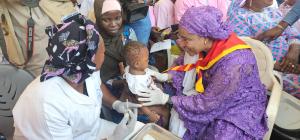
On World Malaria Day, the Republic of Mali has made history by becoming the first nation globally to implement a groundbreaking hybrid vaccination strategy against malaria. This initiative, supported by Gavi, the Vaccine Alliance, UNICEF, and the World Health Organization (WHO), targets children aged five to 36 months—a demographic most vulnerable to the disease.
With this hybrid approach, children in Mali will receive the first three doses at monthly intervals based on age, followed by seasonal booster doses in May or June, just before the peak transmission period from July to December. This timing aligns the vaccine’s protective peak with the highest risk of infection, maximizing its effectiveness. The strategy is backed by evidence from Mali’s own clinical trials, which demonstrate its potential to significantly reduce malaria cases and deaths.
Mali joins 19 other African nations in introducing the malaria vaccine, becoming the 20th country on the continent to integrate it into routine immunization programs. The country initially deploys the R21/Matrix-M vaccine across 19 priority districts in five regions: Kayes, Koulikoro, Mopti, Ségou, and Sikasso, with 927,800 doses available for the rollout.
Why a hybrid vaccination strategy?
Malaria transmission in Mali is highly seasonal, with the majority of cases occurring between July and December. The hybrid model ensures that children receive continuous protection through early doses while boosting immunity right before the high-risk season. Research shows this approach can slash malaria cases by up to 75% in areas with seasonal transmission, where half of all child malaria deaths occur.
Mali’s malaria burden and the vaccine’s role
In 2023, Mali accounted for 3.1% of global malaria cases (8.15 million) and 2.4% of global malaria deaths (14,328), placing it among the 11 countries with the heaviest malaria burden worldwide. The disease remains a leading cause of illness and death, particularly among children under five, who represent over 75% of malaria-related fatalities globally.
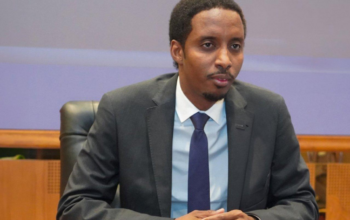
During the launch event in Kalaban-Coro, Mali’s Minister of Health and Social Development, Colonel Assa Badiallo Touré, emphasized the collaborative effort behind the initiative: “This milestone reflects the dedication of researchers, partners like Gavi, the Global Fund, WHO, and UNICEF, and our commitment to reducing the malaria burden. While this vaccine is a game-changer, it must be part of a broader prevention strategy.”
Global recognition and future plans
Dr. Sania Nishtar, CEO of Gavi, praised Mali’s leadership: “This hybrid approach demonstrates how targeted vaccination can save lives and alleviate the devastating impact of malaria on families and health systems. With over 24 million doses delivered across Africa, sustained funding is critical to ensure equitable access.”
Dr. Pierre Ngom, UNICEF Representative in Mali, highlighted the vaccine’s significance: “After 35 years of research, this vaccine offers a powerful new tool to protect children. However, it’s not a standalone solution. We’re leveraging digital tools like U-Report and community volunteers to combat misinformation and promote vaccination alongside existing prevention methods.”
The R21/Matrix-M and RTS,S/AS01 vaccines, both WHO-prequalified, have proven safe and effective. Clinical trials showed they reduced malaria cases by more than half in the first year, with a fourth dose extending protection into the second year. These vaccines target Plasmodium falciparum, the deadliest malaria parasite in Africa.
Expanding vaccine programs across Africa
Since 2023, over 24 million malaria vaccine doses have been distributed in Africa, with countries like Cameroon and Uganda reporting promising early results. By the end of 2025, an additional 13 million children are expected to be protected. Gavi’s next strategic phase (2026–2030) aims to scale up programs to fully immunize 50 million more children, pending sufficient funding.
Building on existing malaria prevention
The vaccine complements Mali’s existing malaria control measures, including insecticide-treated nets, seasonal chemoprevention, intermittent preventive treatment in pregnancy, and indoor residual spraying. Together, these strategies form a comprehensive defense against the disease.
Key facts about malaria vaccination
- Target group: Children under five, the most vulnerable to severe malaria and death.
- Vaccine safety: Both R21/Matrix-M and RTS,S/AS01 are WHO-prequalified and have undergone rigorous clinical trials.
- Effectiveness: Up to 75% reduction in malaria cases in high-transmission areas when administered seasonally.
- Hybrid strategy benefits: Combines age-based and seasonal dosing to align protection with transmission peaks.
Global progress and challenges
Countries like Nigeria and Chad are also scaling up malaria vaccination, integrating it into broader child health programs. However, funding gaps remain a hurdle. Gavi’s co-financing model requires countries to gradually increase their financial contributions, ensuring sustainability but posing challenges for resource-limited nations.