Mali makes strides in cervical cancer prevention one year after HPV vaccine rollout
Twelve months after the debut of the Human Papillomavirus (HPV) vaccine, Mali is seeing a significant positive trend. In Bamako and its surrounding areas, 10-year-old girls are increasingly receiving protection against cervical cancer. Despite facing hurdles such as misinformation and logistical difficulties, healthcare providers and local families are celebrating this as a major victory for women’s health.
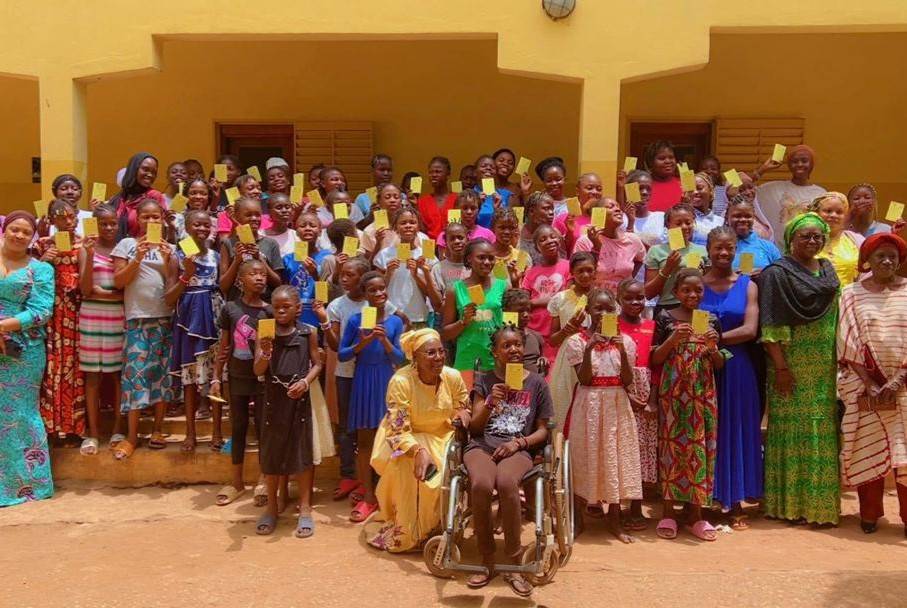
On a recent Thursday in the Korofina district of Bamako, an awareness session brought together local women and young girls at the community center. Amin Dem, a dedicated midwife, led the talk. “Initially, there was a lot of pushback. Parents and their daughters were frightened, but consistent education has turned the tide,” she noted.
According to Dem, the biggest obstacle is the unfounded fear that the vaccine impacts future fertility. “When we take the time to explain the facts in their own language, the resistance fades away.”
A breakthrough in primary prevention
The introduction of the HPV vaccine in November 2024 represented a historic shift for Mali. By utilizing a single-dose schedule for full protection, the country vaccinated over 145,000 girls aged 10 between January and September 2025. While roughly 113,000 of these girls were reached through schools, about 32,400 were from out-of-school populations. Officials admit that more work is needed to ensure these vulnerable groups are not overlooked.
Dr. Ibrahima Téguété, an obstetrician-gynecologist at the Point G University Hospital, believes this progress aligns Mali with the WHO’s 90-70-90 objectives: vaccinating 90% of girls, screening 70% of women, and treating 90% of those with lesions. “This rollout is a source of great pride as it allows us to focus on prevention rather than just treatment,” he stated. However, he remains realistic about infrastructure, noting that with only one radiotherapy unit in the country, the final treatment goal remains a challenge.
Community engagement as a catalyst
While public health centers lead the charge, civil society is equally vital. In Bamako, the NGO Solidaris223 has been active since the start. “We have worked across every commune, and now mothers are the ones asking us where their daughters can get the shot,” said Amina Dicko, the organization’s president.
The Djiguiya Center in the capital also hosted a dedicated vaccination day. Mme Togo Mariam Sidibé, the director, confirmed that seventy residents received their doses without any adverse reactions.
The children themselves are speaking out. Awa, 10, shared: “I was scared of the needle at first, but it was over quickly. I’m happy because I know I’m safe for the future.” Haby, who was vaccinated at school, added that her mother’s reassurance was key to her confidence. Dr. Téguété views this rapid uptake of initial vaccine stocks as a sign of strong collective commitment.
Overcoming lingering skepticism
Despite the success, myths regarding fertility persist. “Some people spread lies that the vaccine is harmful, which is completely untrue,” Dr. Téguété emphasized. Midwife Amin Dem sees the change daily, noting that taking the time to provide clear information is the most effective tool against rumors.
Logistics also pose a problem in regions like Mopti and Gao, where road travel is often unsafe. To manage this, some vaccine supplies are delivered by air to regional hubs. The vaccine remains free for all 10-year-old girls, thanks to support from the government and partners like Gavi, which helps secure the doses at a lower cost. “If we maintain this momentum, we can eventually cover all girls aged 9 to 14,” the specialist predicted.
A hopeful future for Malian women
The groundwork for this success was laid years ago. Between 2016 and 2022, the Weekend 70 initiative helped boost screening rates in Bamako from 15% to over 70%. Yet, Dr. Téguété insists that education must continue. “People fear what they don’t understand. We must keep the conversation going.”
The support of religious figures has also been instrumental in building trust among families. While Bamako’s progress is a strong indicator of what is possible, health workers like Amin Dem are optimistic that the tide is turning nationwide. As Dr. Téguété concluded, “Every girl we vaccinate today represents a woman’s life saved in the future.”