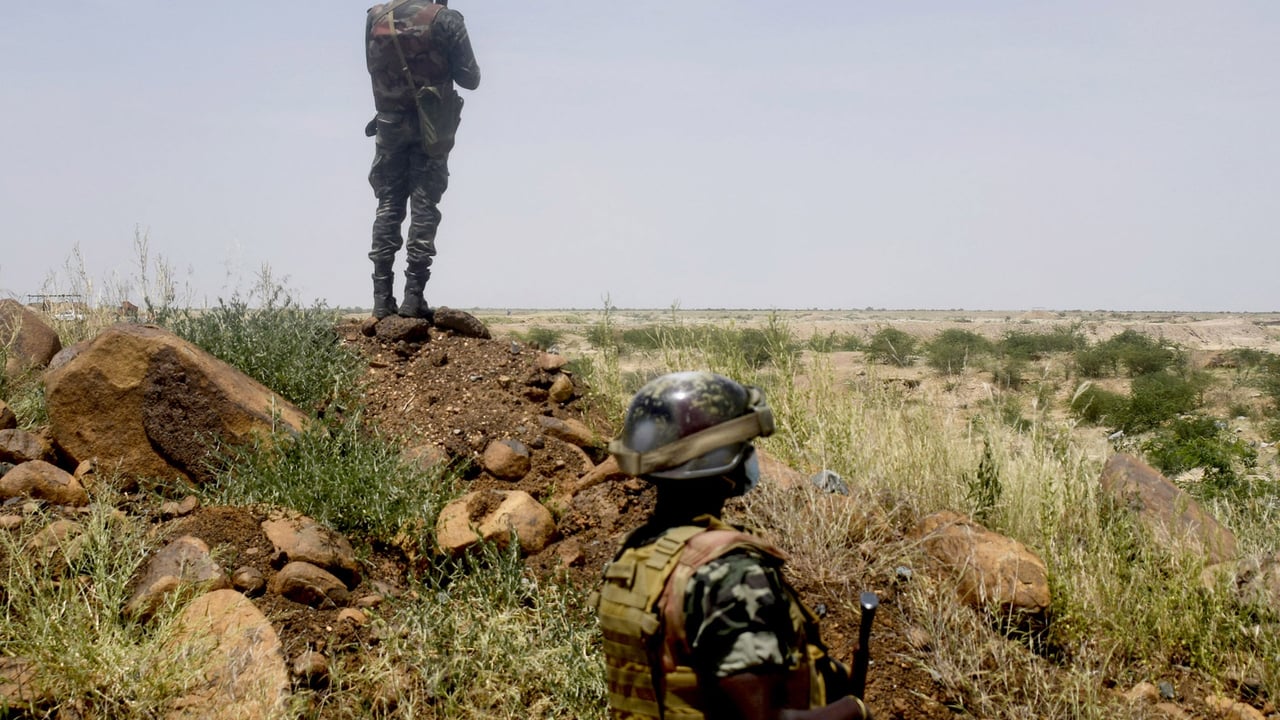

In a fresh wave of brutality sweeping across the Sahel, the Islamic State in the Grand Sahara (ISGS) has once again unleashed terror on civilians in Niger. On January 18, armed jihadists stormed the village of Bossiye in the Tillabéri region, leaving 31 men and children dead in their wake.
The attack, which unfolded around midday, was carried out by approximately 100 militants riding motorcycles. According to Human Rights Watch, the jihadists descended upon the village, executing unarmed civilians without mercy. The Tillabéri region, located in western Niger near the borders with Mali and Burkina Faso, has become a hotspot for such violent incursions, exacerbating the region’s already dire security situation.
Persistent threats in the Sahel’s volatile triangle
The Tillabéri region sits at the heart of the “three borders” area—Niger, Mali, and Burkina Faso—where jihadist groups have intensified their operations in recent years. This strategic crossroads has seen a surge in attacks targeting both military outposts and civilian communities, highlighting the ISGS‘s growing influence and operational reach.
The recent massacre in Bossiye underscores the relentless nature of these assaults. Witnesses reported that the militants showed no restraint, targeting individuals indiscriminately. The brutal nature of the attack has sent shockwaves through the region, raising concerns about the escalating jihadist violence and its impact on local populations.
Human rights groups sound the alarm
Following the attack, Human Rights Watch issued a statement condemning the massacre and called for urgent international action. The organization emphasized the need for stronger measures to protect civilians in conflict zones and hold perpetrators accountable for their actions. The ISGS, known for its extreme tactics, continues to pose a significant threat to stability in the Sahel region.
As the Sahel grapples with the growing menace of jihadist violence, the international community faces mounting pressure to address the crisis. The attack in Bossiye serves as a grim reminder of the ongoing challenges in the region and the urgent need for concerted efforts to restore peace and security.