
The Gabonese government has successfully returned to international financial markets with a bond issuance worth $920 million (approximately 526 billion CFA francs), marking a significant milestone in its economic strategy.
The bond, structured with a three-year grace period starting in 2029 and a final maturity in 2033, will provide essential liquidity for both investment projects and the settlement of arrears, as outlined in the revised 2026 finance law. This follows intensive negotiations between the Minister of Economy and Finance and leading global institutional investors.
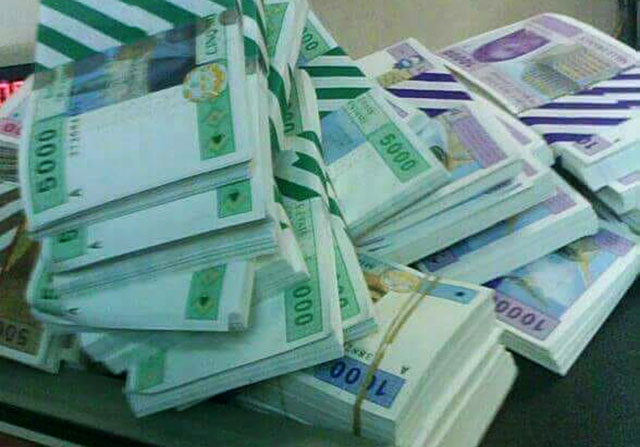
«The oversubscription of this bond reflects renewed investor confidence in Gabon’s economic reforms and the National Growth and Development Plan 2026-2030 (PNCD), which aims to drive structural transformation and improve living standards,» noted officials in a statement.
This transaction reinforces the government’s commitment to fostering long-term partnerships with international investors. It also aligns with ongoing technical discussions with the International Monetary Fund (IMF), with a review mission scheduled in Libreville in September 2026 to finalize an economic and financial program by year-end.
Economic implications and expert analysis
An economist from the Omar Bongo University in Libreville emphasized the strategic importance of this financing, highlighting Gabon’s restored eligibility for multilateral funding—a critical step toward addressing its current financial challenges.
«Securing such financing often requires endorsement from Bretton Woods institutions like the World Bank and IMF, as well as support from key bilateral partners such as France’s Paris Club,» the expert explained. «While these funds primarily cover operational expenses rather than direct investments, they are essential for meeting immediate state obligations.»
The economist cautioned that such arrangements come with stringent conditions, including regular oversight, which could deepen dependence on external institutions. While the bond issuance offers short-term relief, concerns persist about the sustainability of Gabon’s debt trajectory and its long-term economic sovereignty.
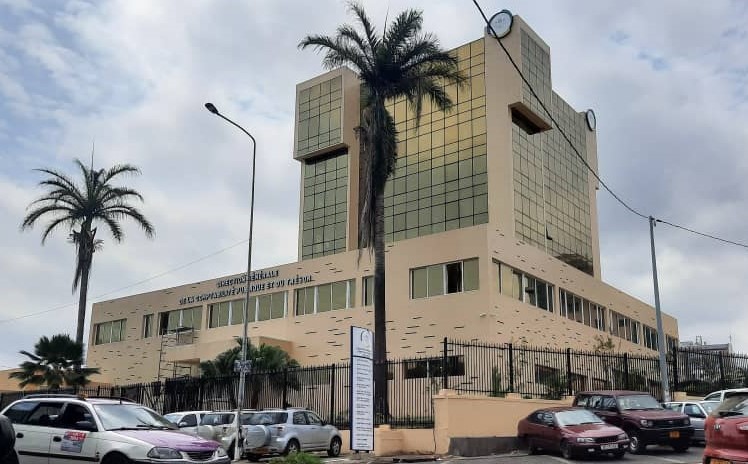
«The true test will be whether policymakers can leverage this financing to drive meaningful improvements in public welfare without falling back into cycles of dependence,» the academic concluded.
You may also like
Sevilla vs Barcelona: kick-off time, tv channel and odds for the Sánchez-Pizjuán clash
Mali prison overcrowding: Bamako jail holds 10,000 in space built for 600 as mass arrests surge
World Bank brings education, jobs and entrepreneurship open days to Abidjan on 21-22 September 2026
At Tougan, Burkina Faso’s maize farmers sell at a loss and face debts as food sovereignty falters
Niger’s FPL opens its ranks to youth as security crisis deepens