Eastern DRC faces ongoing humanitarian law violations despite justice efforts
July 24, 2026The International Committee of the Red Cross (ICRC) has raised alarm over the escalating violations of international humanitarian law in eastern Democratic Republic of Congo (DRC), where armed groups continue to target civilians despite ongoing military justice efforts.
In response to the growing threats, the ICRC convened a high-level conference in Kinshasa on July 23 to emphasize the urgent need for stricter adherence to these critical legal frameworks. The event highlighted the dire consequences of unchecked violence on civilian populations caught in the crossfire of multiple armed factions.
When war rules fail to protect
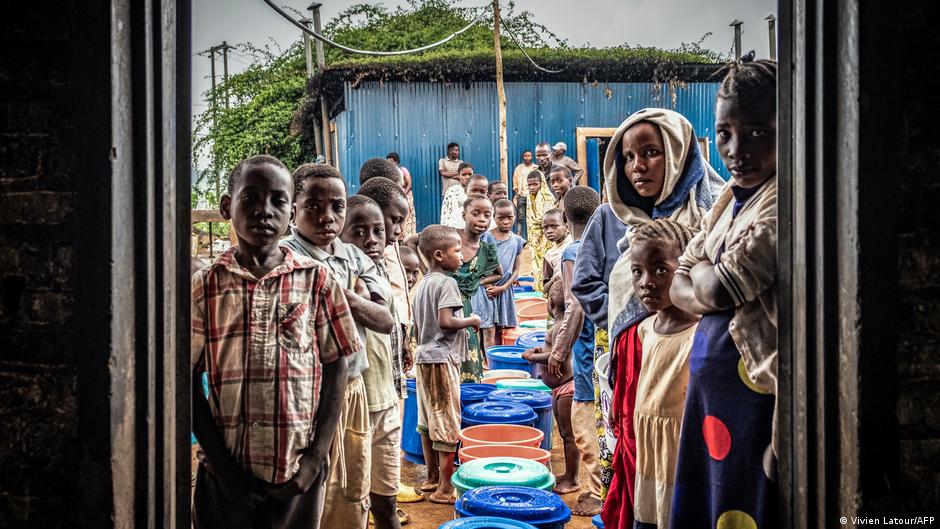
The conflict zones in eastern DRC remain plagued by widespread ignorance and disregard for international humanitarian law. Civilians bear the brunt of this failure, as armed groups operate with near-total impunity. The situation is exacerbated by the sheer scale of sexual violence, which has reached catastrophic levels.
“Sexual violence has affected millions. Every minute, women, girls, and even children—though men and boys are also victims—suffer these atrocities,” warns Julienne Lusenge, a prominent human rights activist. She stresses the urgent need for international accountability, noting that no perpetrators have yet faced trial at the global level for such crimes.
“We must push for international sanctions against those responsible for sexual violence crimes,” she insists, calling for a stronger legal response to end the cycle of abuse.
Trials as a tool for deterrence and education
Julienne Lusenge advocates for enhanced security sector reforms and stronger measures against armed groups to safeguard civilians. Meanwhile, military justice officials affirm their commitment to prosecuting soldiers accused of human rights abuses. General Jean-Paul Tshayikolo, a military magistrate at the High Military Court, explains the dual purpose of these trials.
“Within our ranks, there are both disciplined soldiers and those who violate the law. Our goal is to cultivate a culture of discipline, but absolute impunity remains unattainable,” he states. “Military justice serves not only to punish but also to educate. Every verdict acts as a lesson for other servicemen, reinforcing accountability.”
The military justice system has consistently pursued legal action against offenders, with documented cases demonstrating its commitment to upholding the law.
Fragmented conflict zones defy legal frameworks
More than 200 armed groups currently operate across eastern DRC, primarily in North Kivu, South Kivu, Ituri, and, to a lesser extent, Tanganyika. Their shifting alliances and fragmented structure make it exceedingly difficult to identify and hold accountable those responsible for violations of international humanitarian law.
Adding to the complexity is the frequent blurring of lines between combatants and civilians, a distinction that international law seeks to uphold but that remains elusive in practice. These challenges severely hinder judicial proceedings and perpetuate a culture of impunity, allowing abuses to persist unchecked.
You may also like
Niger’s FPL opens its ranks to youth as security crisis deepens
Kidal: 43 dead as strikes wipe out desert water wells in northern Mali
Chad releases 150 Klessoum prisoners under Decree No. 2151/PR/2026 collective sentence relief
Benin’s rating leap to AA-: the moment regional capital started taking Cotonou seriously
Brigitte Tchede’s Cairo surge: Benin’s discus medal breakthrough that changes everything