The cycle repeats every 36 years. Scenery changes, messiahs parade from father to son, but the bloodshed remains the same: the color of failure. In Chad, intercommunal clashes aren’t resolved—they’re orchestrated. The roar of presidential convoys and dust-choked villages eclipses the quiet promise of independent justice. This is a tale of deliberate collapse.
Stage-managing conflict, starving solutions
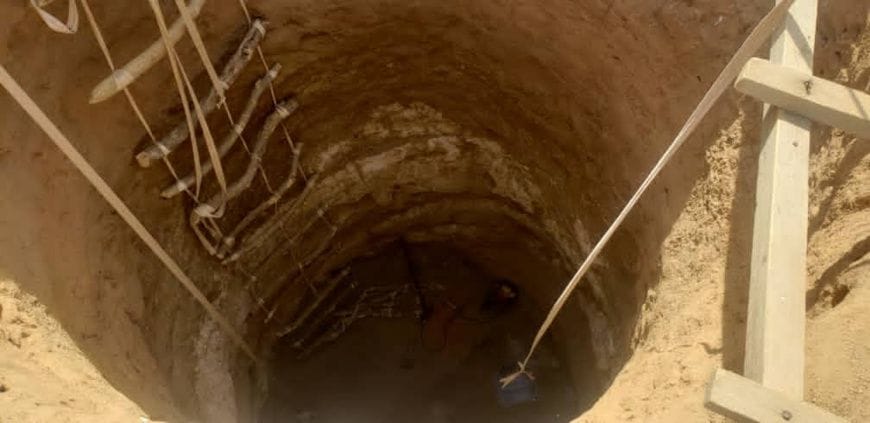
When nomads and farmers clash over a well or grazing land, the State’s response is meticulously choreographed: lavish delegations, high-profile mediations, paternalistic speeches. Yet once the dust settles from the 4x4s, nothing changes. The spectacle itself drains resources—budgets for presidential tours or theatrical peace missions could fund thousands of modern wells, turning scarcity into shared abundance. But permanent infrastructure erodes the need for saviors. By keeping institutions weak, the system perpetuates its own raison d’être.
A judiciary neutered, justice denied
In functioning nations, leaders stay in their capitals because institutions work. In Chad, the political elite systematically undermines the courts. An independent judiciary threatens regimes built on arbitrariness. Without fair dispute resolution, citizens take matters into their own hands. Dying for water isn’t divine punishment or ancient tradition—it’s the direct consequence of a deliberately hollowed-out state. The political class’s failure is complete: managing crises instead of building unity.