An unprecedented crisis shakes Niger’s oil sector
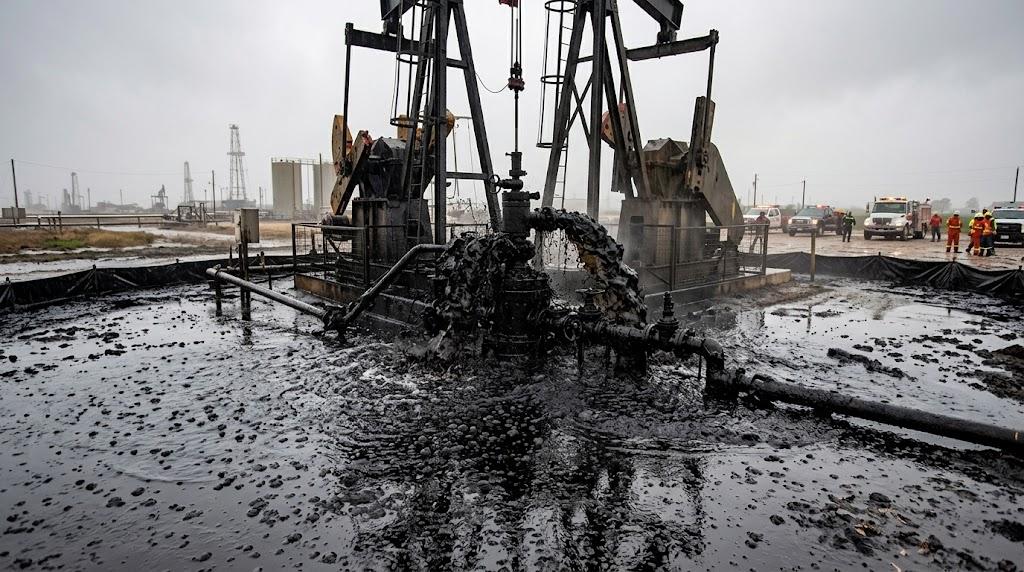
For over two weeks, the Nigerien government remained silent before publicly acknowledging the catastrophic blowout at the Goumeri W-8 well on the Agadem block on October 12, 2026. Operated by CNPC Niger Petroleum—a subsidiary of China National Petroleum Corporation—the well has been spewing a lethal mix of crude oil and gas up to ten meters into the air since September 25. Classified as a “critical emergency,” this disaster marks the most severe incident since Niger began commercial oil production in 2011. The fallout has already impacted nearby wells and hospitalized two workers.
Why did Niamey wait before acting?
The delayed response has sparked widespread criticism. Despite early warnings from civil society organizations, including the Groupe de Recherche et d’Études du Niger (GREN), about potential soil and groundwater contamination, the government only mobilized official communication after 17 days. Emergency containment measures—such as dikes and retention ponds—were set up to limit the spill’s spread, but authorities have yet to quantify the exact volume of oil lost or assess the full extent of environmental damage.
Sovereignty vs. technical reality in Niger’s oil sector
The blowout has exposed a glaring paradox in Niger’s energy ambitions. While Niamey champions economic sovereignty—demanding that CNPC Niger Petroleum employ 80% local staff—the country lacks specialized technicians capable of managing a ruptured wellhead. This gap in expertise has left authorities grappling with an emergency they cannot resolve independently. In a strategic pivot, Niger has turned to Algeria and Sonatrach, leveraging the latter’s six decades of experience in handling crises in the Sahara’s oil fields.
The collaboration with Algeria isn’t entirely new. Since early 2026, Niamey and Algiers have deepened diplomatic and energy ties, including joint efforts on the Kafra permit and the commercialization of Agadem crude. However, no definitive timeline has been set for sealing the Goumeri W-8 blowout permanently.
What’s next for Niger’s oil future?
The crisis raises pressing questions about Niger’s preparedness for such disasters. Can a resource-rich nation with high energy ambitions truly achieve independence when its technical capabilities fall short? As the government navigates this emergency, the Goumeri W-8 blowout may force a reckoning—one that could redefine the country’s energy strategy and its reliance on foreign expertise.