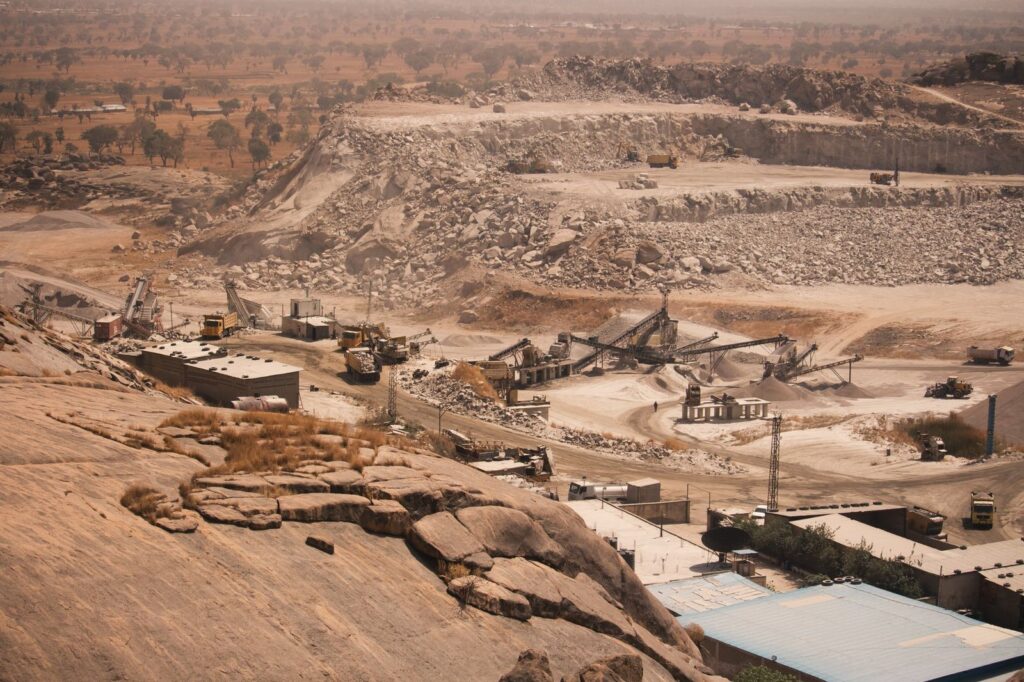
The artisanal mining sector in Cameroon is facing significant turmoil after the National Mining Company (SONAMINES), the state’s operational arm for gold and diamond commercialization, suspended the issuance and renewal of permits for purchasing offices. This move has intensified tensions within the industry and sparked strong reactions from the National Union of Diamond, Gold, and Artisanal Miners’ Purchasing Office Promoters of Cameroon (SYNAPROBADIOCAM).
Led by Ousmanou Aladji Hamadou, SYNAPROBADIOCAM has urgently called for the resumption of administrative procedures. The union leader warns that nearly 200 purchasing offices are now unable to formalize their operations due to the lack of valid permits. This regulatory void, they argue, is inadvertently fueling illicit trade channels for precious metals extracted within Cameroon.
Administrative freeze yields counterproductive outcomes
While SONAMINES intended to tighten oversight of an already porous artisanal mining sector, the ground reality tells a different story. Without legal avenues, gold produced by artisanal miners is increasingly smuggled out of the country through informal routes, slipping through fiscal and production tracking systems.
The union estimates that several hundred operators—both existing purchasing offices and new applicants—are affected. Forced into legal limbo, these professionals either stall operations or resort to grey-market alternatives. While the exact financial loss to Cameroon’s Treasury remains unquantified, the freeze clearly undermines the state’s efforts to strengthen traceability in the gold trade.
Cameroon is not alone in this challenge. Across Central Africa, from Congo to the Central African Republic, governments struggle to redirect artisanal gold flows into regulated channels. Cross-border smuggling thrives, driven by uneven tax regimes and regulatory loopholes that divert a substantial portion of regional production away from formal markets.
SONAMINES: A pivotal yet embattled institution
Established to streamline mineral governance and centralize the commercialization of gold and diamonds, SONAMINES holds a strategic role in Cameroon’s mining architecture. It is tasked with securing the state’s pre-emption rights on precious metals while managing relationships with private purchasing offices. Yet, the agency now finds itself at the center of criticism whenever it enforces permit suspensions.
Union representatives argue that the freeze imposes a double penalty: it paralyzes legal businesses and weakens artisanal miners—many based in the East, Adamawa, or North regions—who rely on these offices to sell their output. Without official outlets, miners are increasingly turning to informal buyers, often foreign intermediaries who export the resource without contributing to Cameroon’s public revenue.
Formalization vs. informality: the path forward
SYNAPROBADIOCAM is urging structured dialogue with mining authorities and SONAMINES to address the crisis. The union’s demands center on two pillars: resuming permit issuance under clear guidelines and establishing a control framework that does not stifle legitimate operators. They emphasize the economic stakes, noting that formalizing 200 purchasing offices could create as many fiscal entry points and traceability hubs for the sector.
The issue extends beyond corporate interests. It touches on Cameroon’s broader strategy to diversify its extractive economy, long dominated by hydrocarbons. When properly regulated, artisanal gold could become a major contributor to public revenue and a driver of rural employment.
The next move rests with SONAMINES and the Ministry of Mines: Will they lift the freeze under revised conditions, or will they tighten permit criteria further? Either path demands a delicate balance between regulatory rigor and operational efficiency. The credibility of Cameroon’s national commercialization system hinges on the government’s ability to reconcile these priorities.
You may also like
Benin’s rating leap to AA-: the moment regional capital started taking Cotonou seriously
Brigitte Tchede’s Cairo surge: Benin’s discus medal breakthrough that changes everything
Burkina Faso’s armored vehicles: the moment of truth arrives on the battlefield
Togo presses pause on press freedom as a reporter’s sidelining marks a decisive shift
Benin-Rwanda breakthrough: Wadagni’s Kigali mission redefines strategic partnership