Cameroon’s CDEC: a strategic financial engine for infrastructure growth
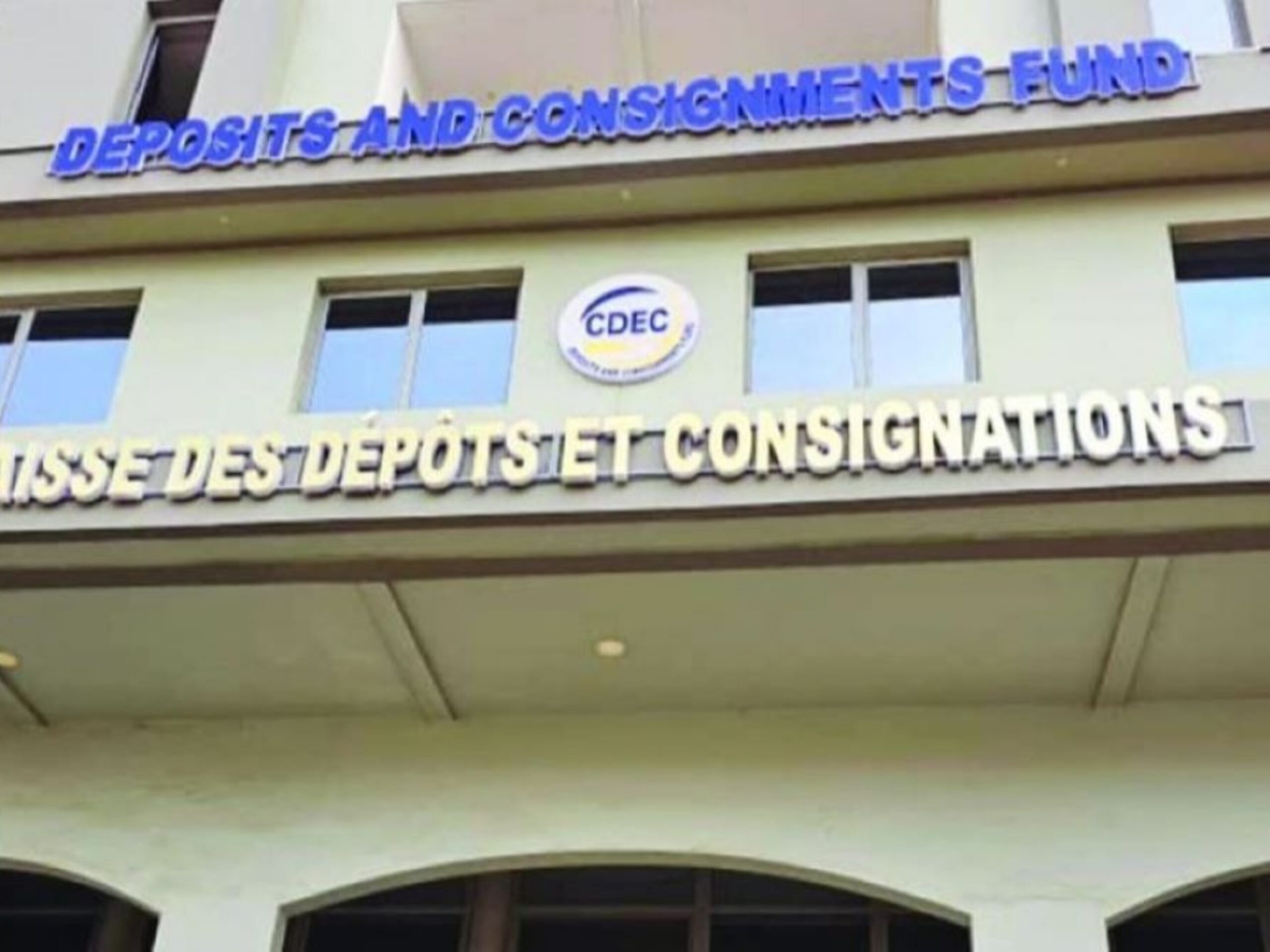
Cameroon, like many African nations, has experienced a reduction in access to traditional external financing avenues, such as concessional multilateral loans and public development aid, while international bond markets have become more expensive. In this evolving financial landscape, the strategic mobilization of domestic savings, both public and private, has become a critical imperative. This is precisely the role fulfilled by the Caisse des Dépôts et Consignations (CDEC), which became operational on January 20, 2023, following a presidential decree, fifteen years after its legal establishment through a 2008 law. Such is the perspective offered by observer Patrick Duprix Anicet Mani.
Cameroon, like most African economies, has for several years faced a contraction in access to traditional external financing (concessional multilateral loans, official development assistance, and increasingly expensive international bond markets). In this environment, mobilizing domestic public and private savings has become a strategic imperative. This is precisely the function performed by the Caisse des Dépôts et Consignations (CDEC), which began operations on January 20, 2023, by presidential decree, fifteen years after its legal establishment by the 2008 law, explains analyst Patrick Duprix Anicet Mani.
A Proven Blueprint: Lessons from France’s Caisse des Dépôts
The French experience vividly illustrates how a national deposit fund can transform dormant savings into a powerful engine for structural development. This is achieved through three primary mechanisms:
- The centralization of regulated funds (such as Livret A savings accounts, notarial funds, and inactive accounts) within a secure public institution.
- The conversion of short-term deposits into long-term loans, backed by state guarantees.
- A significant leverage effect, where every euro of centralized savings directly finances critical infrastructure projects, including social housing, urban renewal, fiber optic networks, and transportation systems.
The CDEC in Cameroon aims to replicate this successful model. Its core mission is to collect, safeguard, and generate long-term returns from typically idle resources, strategically channeling them to support key public policies and initiatives.
CDEC’s Progress: Demonstrable Growth
Available data confirms the CDEC’s ongoing momentum and measurable progress:
Legal Framework and Mobilizable Resources
The 2008 law and its 2011 implementing decree define the CDEC’s resource categories. These include various deposits (funds from notaries, inactive bank accounts), administrative consignments (public procurement guarantees), judicial consignments (bail, legal settlements), and a fourth category of assimilated funds.
Coercive Collection Mechanism
A Prime Minister’s decree issued on December 1, 2023, mandated banks, insurance companies, notaries, and court registries to transfer their consigned funds within a specified timeframe. Non-compliance carries severe penalties, including external audits and late payment interest calculated at the BEAC’s marginal lending facility rate plus two points. This robust legal framework is designed to ensure the effective and secure ramp-up of collected resources.
Three-Year Results
Director General Richard Evina Obam recently announced the centralization of over 151 billion FCFA (approximately 260 million USD) three years into its operational phase. While this represents a significant sum, it remains proportionally well below the identified potential, with earlier estimates suggesting more than 1,000 billion FCFA lying dormant within the banking system.
Catalyst for Infrastructure Investment: The Banking Subsidiary
The most pivotal element in realizing CDEC’s infrastructure ambitions is the planned dedicated banking subsidiary, for which a feasibility study commenced in February 2025. This subsidiary is explicitly designed to:
- Assist the State, decentralized territorial authorities (CTD), and enterprises in raising capital for infrastructure financing.
- Provide support to Small and Medium-sized Enterprises (SMEs) seeking to participate in public procurement contracts.
- Facilitate initial public offerings (IPOs) and evaluate business opportunities.
- Offer long-term financial products (such as loans, guarantees, and leasing) tailored to Cameroonian stakeholders.
This function structurally aligns the CDEC with the