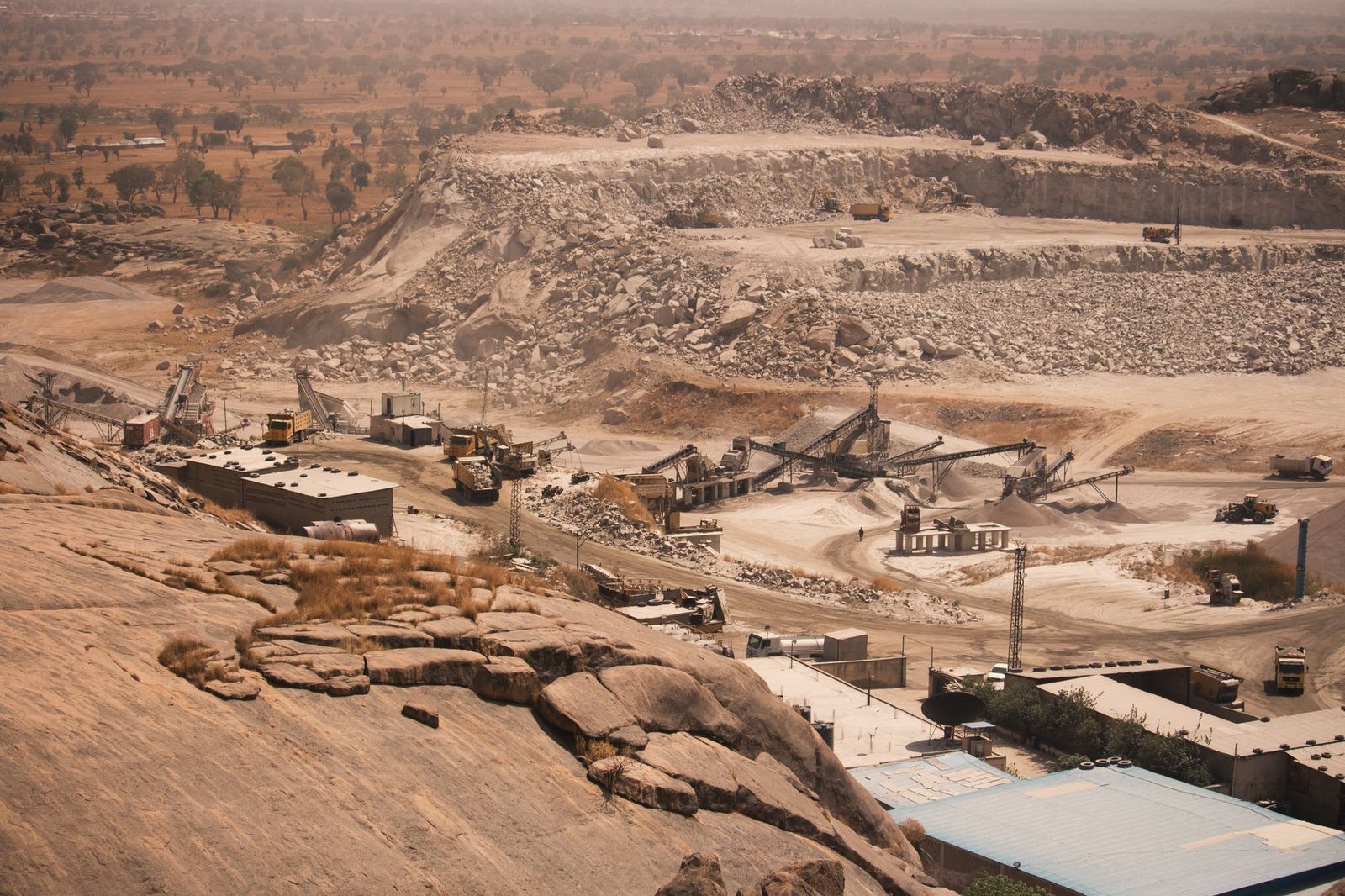
A landmark ruling by Burkina Faso’s judiciary has sent shockwaves through the global mining sector, nullifying a high-profile gold streaming contract tied to a domestic mining asset. The decision, handed down in Ouagadougou, casts doubt on the legal durability of a financing model widely adopted across Africa to advance gold production.
The controversial arrangement, known as gold streaming, allows financiers to inject upfront capital into mining ventures in exchange for the right to purchase a predetermined share of future gold output at below-market rates. Two of the industry’s most prominent players—Canada-based Franco-Nevada and Sandstorm Gold Royalties—have built empires on such deals, with extensive portfolios spanning multiple African jurisdictions. Now, their core business model faces an unprecedented legal challenge.
a bold assertion of mineral sovereignty
The ruling arrives amid sweeping reforms within Burkina Faso’s extractive sector, led by the current transitional leadership. As the continent’s third-largest gold producer, the country has embarked on a comprehensive overhaul of its mining laws, aiming to capture a greater share of its mineral wealth. Recent actions include the revocation of permits, nationalizations of key assets, and the adoption of a new mining code designed to bolster state control.
The annulment of the streaming contract aligns with this drive for resource sovereignty. Judges determined, based on available evidence, that the original agreement failed to comply with national legal standards. For Burkina Faso’s authorities, the ruling underscores a strict interpretation of state ownership over natural resources. For international investors, however, it introduces fresh uncertainty into long-standing financial commitments.
Franco-Nevada and Sandstorm brace for legal fallout
Franco-Nevada, a multi-billion-dollar titan in royalty and streaming, has long relied on a global network of agreements to secure steady revenue streams. Sandstorm Gold Royalties, though smaller, has carved out a strong presence in West Africa’s mid-tier mining scene. Both companies now face the daunting task of reassessing the financial and operational impact of a decision that could jeopardize a key asset in their portfolios.
The implications extend far beyond these firms. Lenders, specialist funds, and export credit insurers typically model political risk in their calculations—but rarely anticipate the nullification of a carefully structured contract. The Burkina Faso precedent could push up capital costs for mining projects across West Africa, especially at a time when gold prices remain near historic highs.
a template for west african gold renegotiations?
Neighboring nations such as Mali, Niger, and Guinea—and to a lesser extent Ghana—have also initiated revisions of their mining regimes. The central Sahel region, in particular, is pushing for the renegotiation of contracts deemed unfavorable. The Ouagadougou ruling provides these governments with a legal blueprint that could embolden similar challenges.
Yet the ultimate impact hinges on pending appeals and potential international arbitration. Most streaming contracts include clauses mandating resolution through the International Centre for Settlement of Investment Disputes (ICSID). While Franco-Nevada and Sandstorm retain legal avenues to contest the annulment, Burkina Faso’s recent diplomatic posture suggests a prolonged standoff. The country has shown little willingness to cede jurisdiction over disputes involving its natural resources.
For policymakers and industry leaders across Africa, this case serves as a cautionary tale. It highlights the growing friction between sophisticated Western financial instruments and the sovereign ambitions of African states seeking to redefine their place in global commodity markets.