A strategic alliance for public health in Burkina Faso
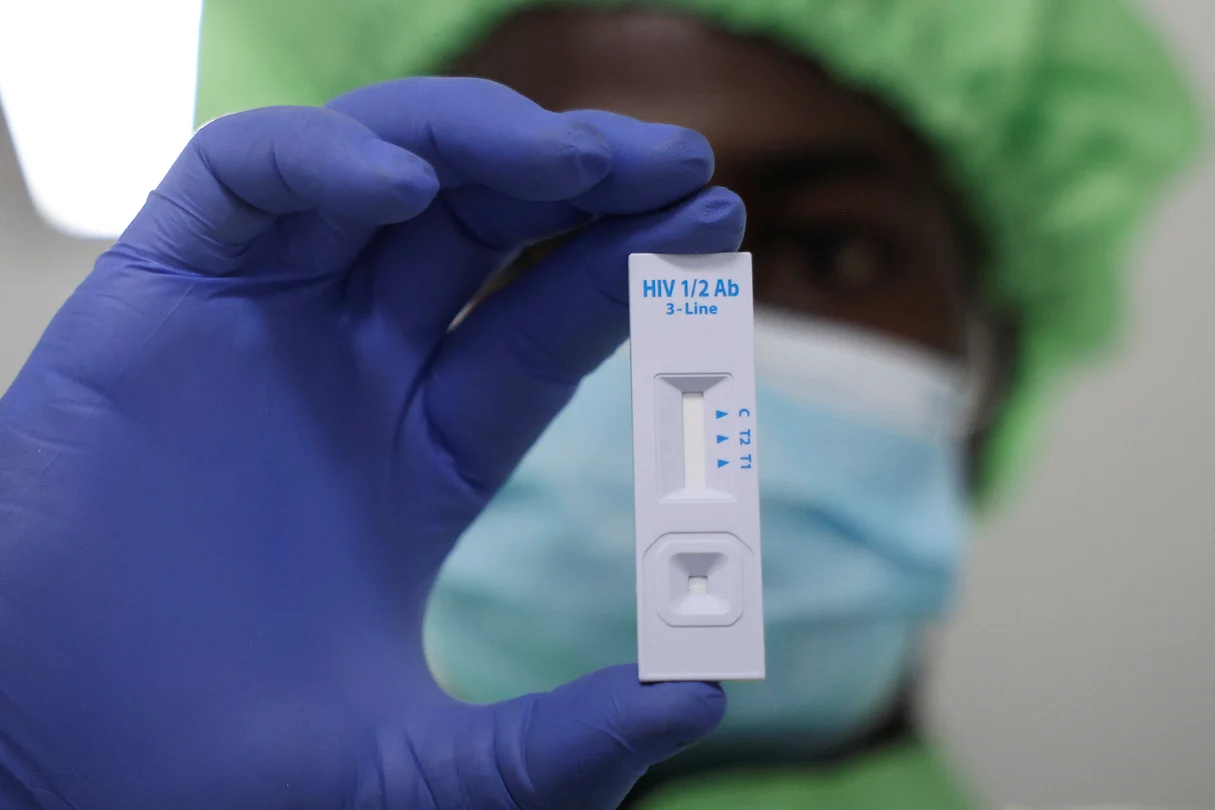
On Wednesday, February 25, the United States Department of State formalized a five-year bilateral memorandum of understanding with Burkina Faso. This significant agreement involves a total investment of $147 million, dedicated to bolstering the nation’s fight against major health threats, including HIV/AIDS, malaria, and various infectious diseases. Beyond treatment, the funds are earmarked for enhancing epidemiological surveillance and the country’s capacity to respond to health emergencies.
Strengthening local health infrastructure
The official announcement highlights that this partnership creates a framework for deeper cooperation, specifically aimed at preventing and managing the spread of transmissible illnesses. As part of this collaborative effort, Burkina Faso has pledged to increase its own domestic health expenditure by $107 million. This move signals a strong commitment to national ownership and the long-term sustainability of its medical systems.
Modernization and community support
Approximately $12 million from the package will be funneled into global health security projects. Key initiatives include:
- Upgrading community-based health systems.
- Modernizing and digitizing data collection and transmission processes.
- Improving laboratory capabilities for the rapid detection of new pathogens.
The protocol also maintains support for existing programs targeting maternal and child health, alongside malaria prevention. A central pillar of the strategy involves supporting frontline community health workers, who are essential for a locally-driven health infrastructure.
Sustainability and regional impact
Once the five-year period concludes, health professionals and lab technicians currently funded by the United States will be integrated into the Burkina Faso public health service. This transition aims to foster a resilient national system capable of protecting citizens in both countries from cross-border health risks.
The broader global health strategy
While Burkina Faso moves forward, other nations have reacted differently to similar offers. Zimbabwe declined a $367 million funding package, citing concerns over national sovereignty and oversight. Meanwhile, Zambia has expressed reservations about specific clauses, leading to ongoing negotiations with Washington.
These bilateral agreements are part of the “America First” global health strategy. To date, this initiative has generated over $18.56 billion in health funding, comprising $11.33 billion in United States aid and $7.23 billion in partner country co-investments. Burkina Faso joins 16 other nations, including Botswana, Burundi, Cameroun, Côte d’Ivoire, Eswatini, Éthiopie, Kenya, Lesotho, Liberia, Madagascar, Malawi, Mozambique, Nigeria, Ouganda, Rwanda, and Sierra Leone, in signing these strategic protocols.