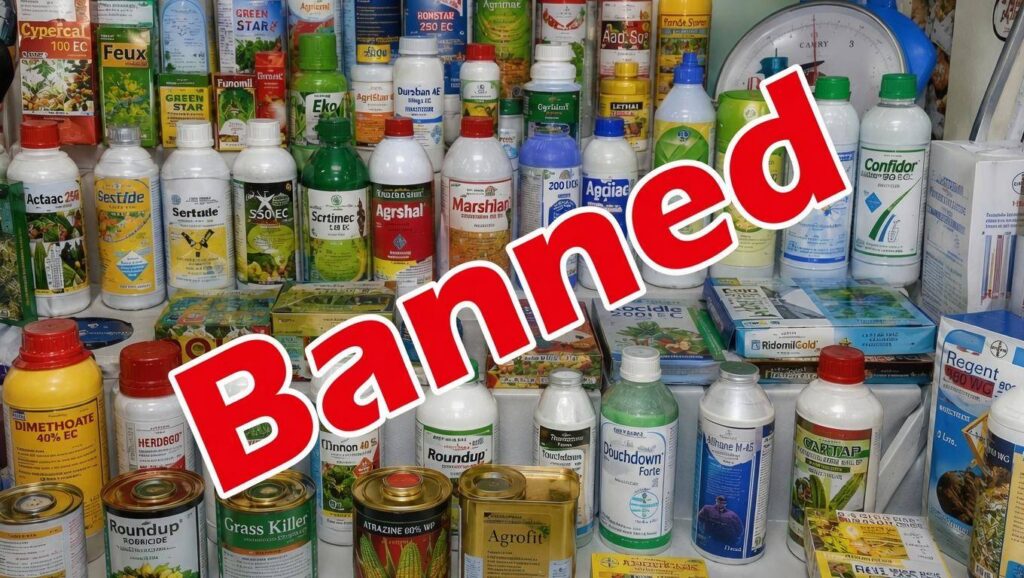
The Béninese government has launched a direct campaign against the illicit market for skin-lightening substances. Effective May 5, a range of creams, lotions, and other formulations designed to lighten skin tone are officially prohibited from sale across the entire national territory. This robust measure targets a widespread practice, the health ramifications of which are causing increasing concern among authorities.
A decisive halt to the “tchatcho” phenomenon
This initiative marks a significant effort to halt the phenomenon locally known as « tchatcho ». In Bénin, the use of skin-lightening agents is prevalent among a substantial segment of the population, transcending social strata. Previously, these items were readily available, from the bustling stalls of Dantokpa market to numerous online platforms and social media outlets.
Through this updated regulatory framework, officials aim to curtail the proliferation of such products. The Ministry of Health, in conjunction with pharmaceutical oversight bodies, has compiled a definitive list of hazardous formulations. Heightened inspections are now mandated, targeting both wholesale distributors and individual retailers. The overarching objective is clear: to dismantle the supply networks of a highly profitable trade, which frequently relies on smuggled goods and unregulated artisanal preparations whose components remain unchecked.
Increasingly alarming health risks
The state’s decision to adopt a stricter stance stems from persistent warnings issued by healthcare professionals over several years. Dermatologists, in particular, have consistently highlighted the devastating consequences associated with artificial depigmentation. The products in question often contain potentially dangerous substances, including hydroquinone, potent corticosteroids, and mercury. Prolonged and repeated application of these components can severely compromise skin integrity, leading to complications that are sometimes irreversible.
In the short term, users face risks such as chemical burns, deep stretch marks, extreme skin thinning, impaired wound healing, and recurrent dermatological infections.
However, the adverse effects extend beyond the epidermis. When absorbed into the body, these compounds can contribute to serious systemic conditions, including chronic kidney failure, arterial hypertension, various metabolic disorders, and an elevated risk of skin cancers.
A challenge extending beyond enforcement
While the medical community largely commends this prohibition, its practical implementation is anticipated to be complex. Authorities must contend with permeable borders, the continuous flow of contraband, and the adaptive strategies of vendors who frequently alter packaging to evade detection.
Beyond punitive actions, a deeper cultural challenge persists. The allure of lighter skin, fostered by certain beauty standards and enduring societal pressures, continues to fuel demand.
Therefore, for this policy to yield lasting results, it must be complemented by extensive public awareness campaigns. These initiatives should advocate for the appreciation of natural complexions and actively deconstruct stereotypes related to skin color.
By embarking on this concerted effort, Bénin takes a crucial step forward in safeguarding public health. The critical question now remains whether the resolve of the authorities, combined with an evolution in societal attitudes, will effectively and sustainably curb the « tchatcho » phenomenon.
You may also like
Mali: did the JNIM ambush on Africa Corps near Niono expose a fatal gap in Russia’s Sahel strategy?
Will Mali’s 73.6 million dollar funding gap decide the fate of millions by 2027?
Niger’s jailing of lawyer Abdourahamane Lirwana: is free speech now a crime in the country?
Guinea-Bissau’s December 2026 vote: can Embaló return legally, and can the result ever be trusted?
Can a $20 million bounty take down Ukraine’s drone war architect?