For the first time in three decades, residents of Bamako are preparing to celebrate Tabaski far from their ancestral homes. A relentless jihadist blockade has cut off major roads leading into Mali’s capital, trapping families and disrupting the country’s most cherished social tradition.
Alpha Amadou, a 40-year-old resident originally from Mopti in central Mali, had planned to travel home for the holiday. But the roadblocks and burning of vehicles have made the journey impossible. “This will be the first Tabaski I spend in Bamako since moving here,” he shared, his voice tinged with disappointment.
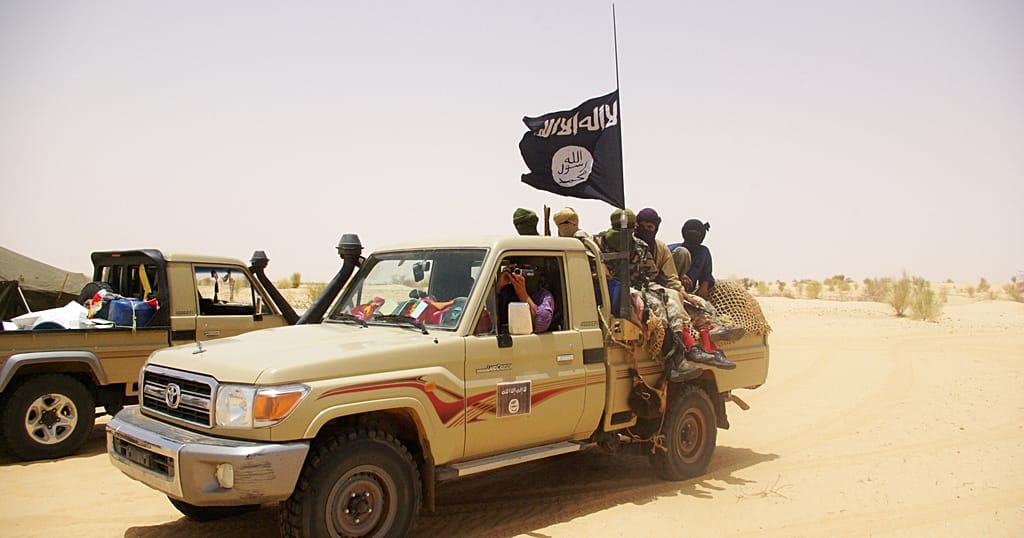
Since late April, fighters from a Sahel-based Al-Qaïda affiliate have enforced a partial blockade on key routes into Bamako. Militants have torched buses and cargo trucks, sending shockwaves through the transport sector. Even with military escorts, journeys remain perilous, deterring drivers and passengers alike.
The Eid al-Adha celebrations in Mali are more than a religious observance—they are a vital social ritual. For many, it’s the only time families reunite after months apart due to work or migration. Yet this year, the usual pre-holiday rush in Bamako’s bus stations has given way to eerie silence. Fuel shortages have compounded the crisis, leaving transport operators stranded.
A local travel agency owner, speaking on condition of anonymity, described the devastation: “We’re not just short on diesel—we’ve lost buses to attacks. This is a financial disaster.”
Normally, transport companies ferry over 50,000 passengers from Bamako to other regions ahead of Eid. This year, most have canceled all trips. Wara Bagayoko, a lifelong Bamako resident, has always driven to Ségou for celebrations with extended family. “But the roads aren’t safe anymore,” he said. “This will be the first time in 30 years I miss it.”
Oumar Diarra, another resident, usually rides to Sikasso with a group of friends on motorcycles for the festivities. “Not this year,” he sighed. “We’re staying put.”
soaring costs and empty markets
The blockade has crippled Mali’s livestock trade, essential for the traditional animal sacrifice during Eid. Trucks carrying sheep—once a common sight—now face violent attacks, leaving markets bare and prices skyrocketing.
Alassane Maiga, a transporter, noted a staggering rise in costs: “Moving an animal used to cost 2,500-2,750 CFA francs. Now, it’s 15,000-18,000 CFA francs.” For a country where the minimum wage hovers around 40,000 CFA francs, these prices are prohibitive.
Hama Ba, a livestock merchant in Bamako, lamented the losses: “I usually handle 1,000 sheep before Eid. This year? None.” Sheep that once sold for 75,000 CFA francs now fetch 300,000 CFA francs. Shoppers like Iyi scour markets in vain, searching for an affordable animal. “Choices were abundant before. Now? Almost gone.”
daily life under strain
The jihadist blockade isn’t just disrupting holiday plans—it’s eroding daily life in Bamako. Power cuts plague the city, while potable water shortages add to the strain. Essential services are crumbling under the weight of insecurity, leaving residents grappling with hardship long after the festivities end.