
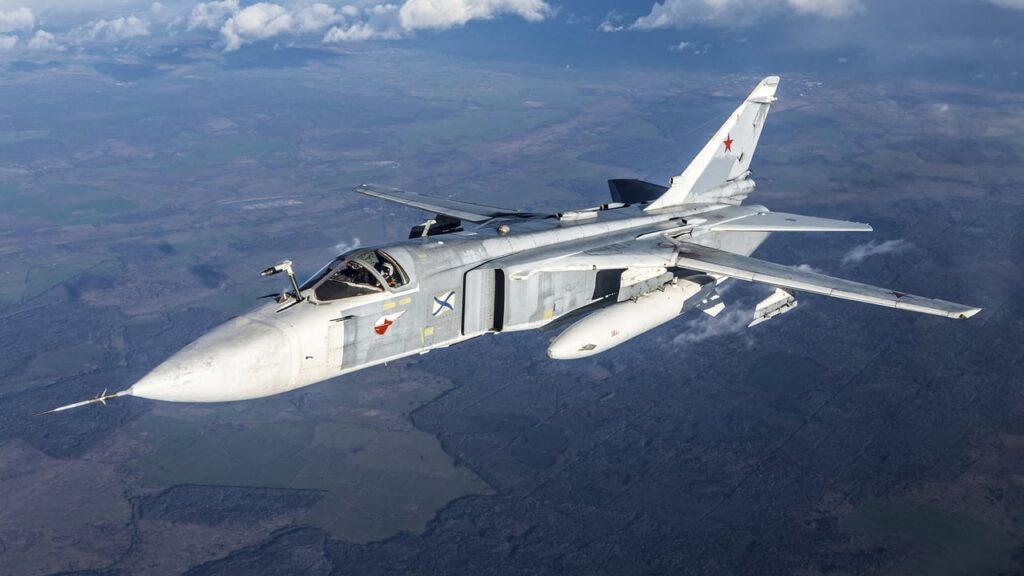
The Africa Corps, a newly formed Russian military unit, is facing serious allegations of deploying cluster munitions over civilian areas in Mali. Local residents and independent analysts have reported witnessing unexploded ordinance scattered across several regions, raising concerns about indiscriminate targeting and civilian casualties.

Investigations point to Africa Corps involvement
Multiple eyewitness accounts and video evidence appear to confirm that Russian-operated aircraft, linked to the Africa Corps, conducted aerial strikes using cluster munitions. These weapons release smaller bomblets over a wide area, often resulting in long-term hazards due to unexploded ordnance posing risks to civilians and livestock.
Impact on Malian communities
Residents in affected regions described scenes of devastation, with farmlands and residential zones littered with unexploded devices. Health officials have raised alarms about potential long-term contamination and the threat to children, who may mistake bomblets for toys. The Group for the Support of Islam and Muslims (JNIM) has condemned the strikes as violations of international humanitarian law, calling for urgent accountability.
International response and Mali’s stance
Diplomatic circles are closely monitoring the situation, with calls for transparency from Malian authorities. While the government has not yet issued an official statement, Africa Corps representatives have yet to respond to these allegations. Analysts warn that such actions could further destabilize the region, already grappling with security challenges.
What are cluster munitions?
Cluster munitions are weapons designed to disperse numerous smaller explosives over a large area. Despite international treaties aimed at banning their use, many armed groups and state actors continue to deploy them, often with devastating consequences for civilian populations.
You may also like
Cameroun : les signes avant-coureurs d’une transition politique
Gabon’s economic management hindered by unreliable public data
Niger: General Tiani faces growing unease within special forces after Russian involvement
Mali : 17 morts dans les rangs des dozos, le JNIM accentue sa pression
Sahel : le pari des juntes tourne-t-il à l’échec sécuritaire ?