youth group in Kinshasa sets conditions for constitutional reform in DRC
- Politics
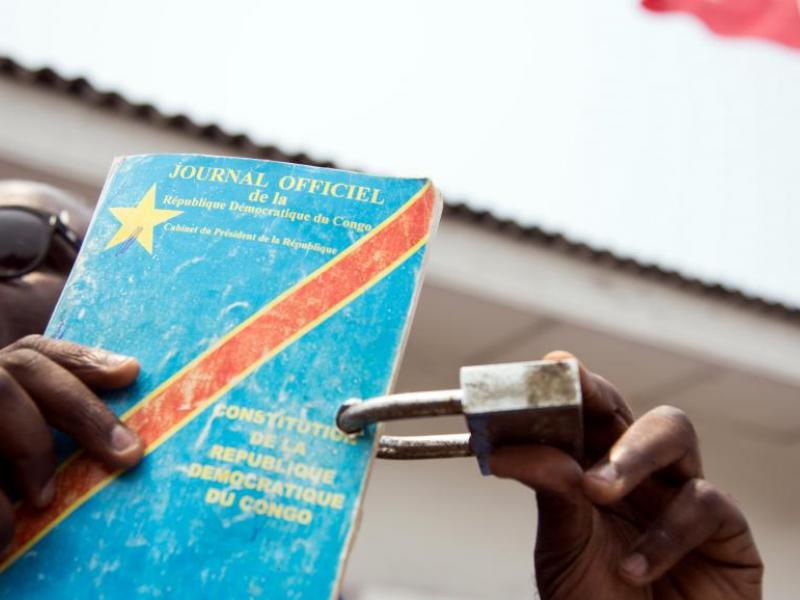
A dynamic youth movement in Kinshasa has set forth three critical conditions that must be met before supporting any constitutional reform in the Democratic Republic of the Congo (DRC). The declaration came during a press conference held on June 3, 2026, where the group emphasized that any constitutional change must demonstrate a clear necessity, foster broad national consensus, and ensure a peaceful political climate.
Speaking on behalf of the group, Mukenge Totoro, spokesperson for Nouvelle Génération, outlined the movement’s stance: “Before rallying behind any reform, we must ask fundamental questions: Why change the Constitution today? What specific problems does this reform aim to address? How will it tangibly improve the lives of Congolese citizens? Who stands to gain the most from this change—the nation or certain political actors? Without transparent and convincing answers to these questions, the debate risks deepening mistrust and division within the country.”
Priorities for the Nation Over Political Interests
The youth movement, Nouvelle Génération, made it clear that its priorities lie with the Republic, stability, and the Congolese people—not with partisan political interests. They urged young Congolese to resist being treated as mere electoral reserves or mobilization tools for political agendas. Instead, the movement calls on the youth to become active forces of reflection, constructive proposals, citizen oversight, and national transformation.
Regarding the opposition-led “ville morte” (city shutdown) protest that coincided with the press conference, Nouvelle Génération acknowledged it as a legitimate exercise of constitutional rights. However, they stressed the need for all stakeholders to prioritize dialogue, ideas, and constructive reforms over confrontation.
Call for Transparency and National Unity
The youth movement concluded by urging political leaders to engage in transparent discussions with the public about the proposed constitutional changes. They emphasized that the DRC does not need an opposition focused solely on contestation but one that equally contributes to constructive solutions. The movement’s message was clear: the future of the Constitution must serve the nation’s best interests, not the ambitions of a few.