The stakes behind a Niamey courtroom clash
What happens when a lawyer’s online posts become the centrepiece of a criminal trial? In Niger, that question now hangs over the legal profession after public prosecutors demanded a five-year prison term for a defence attorney whose social media activity landed him in court.
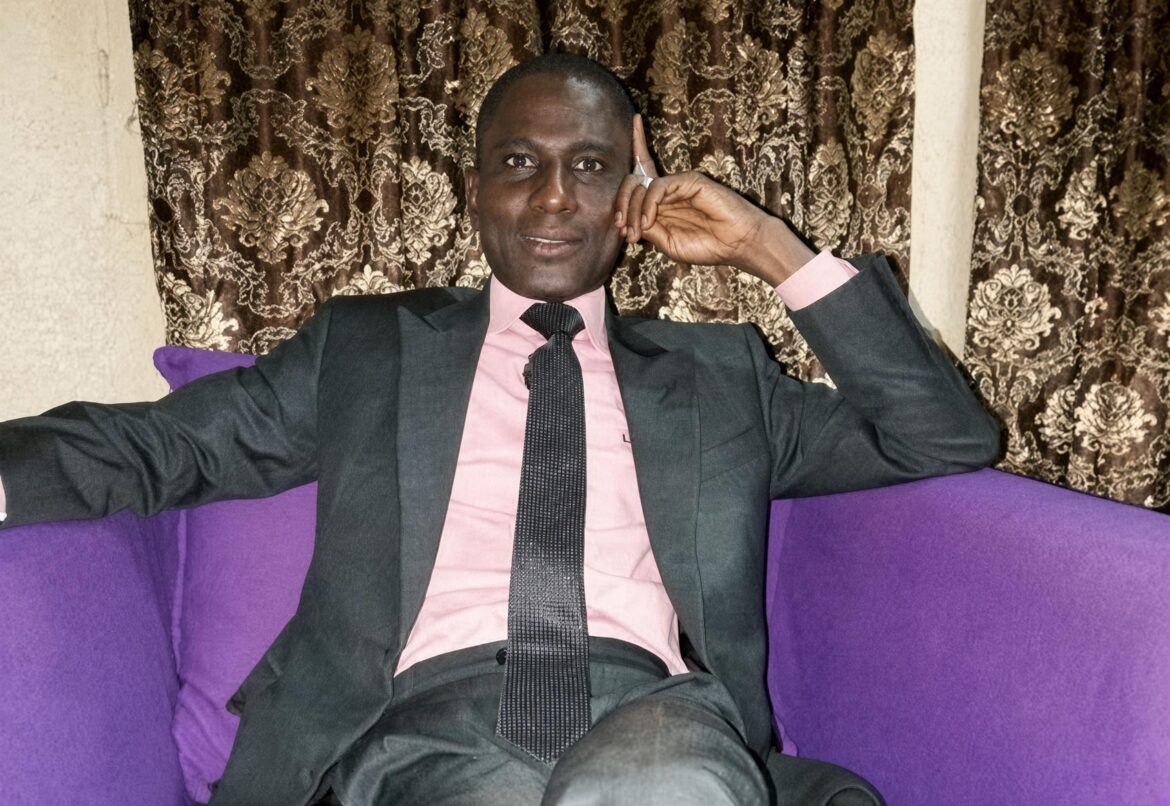
Abdourahamane Lirwana, a member of the Niamey bar, was brought before the city’s High Court on Tuesday, October 6, to answer charges tied to content he published online. When the proceedings wrapped up, the state’s legal team asked the court to impose five years of hard time and a fine of five million CFA francs.
Why the prosecution says the posts broke the law
The entire case hinges on messages the lawyer shared on social platforms. Prosecutors accuse Lirwana of “disseminating data likely to disturb public order,” an offence that Niger’s cybercrime legislation punishes severely.
For the authorities, the posts crossed a legal red line. For the defence, the charges represent an attempt to criminalise expression — a dispute that has turned a single lawyer’s fate into a broader test of how far the state can go in policing digital speech.
A courtroom under procedural strain
The hearing did not unfold calmly. Twenty-four hours before it began, Lirwana’s legal team escalated the matter to the Court of State, formally requesting that the case be relocated. They argued that the Niamey tribunal could not offer the impartiality required for a fair trial.
The higher court rejected the request outright, keeping the proceedings in the capital. That decision set the tone for what followed: a defence convinced it would not receive a fair hearing, and a bench determined to press ahead regardless.
The defence’s silent protest
Convinced that their client’s rights were being openly trampled, Lirwana’s lawyers made a drastic choice — they refused to plead at all. On their instructions, the accused himself stayed completely silent, declining to respond to questions from both the presiding judge and the prosecutor.
Yet the refusal to cooperate did not bring the session to a halt. Ignoring the absence of any defence arguments, the court closed the proceedings and took the case under advisement. A verdict is now pending, and its outcome is being watched closely by legal professionals and civil society groups alike.
What the ruling could mean for public speech online
The decision will not only determine Lirwana’s future — it will also signal how aggressively Niger intends to enforce its digital speech rules. With public expression on social platforms already tightly constrained, the verdict could set a precedent that resonates far beyond a single courtroom in Niamey.