Cultural preservation
UNESCO and SAVAMA-DCI strengthen Mali’s ancient manuscript preservation through targeted training program
In response to growing threats to Mali’s intellectual heritage, UNESCO and the SAVAMA-DCI organization have launched an intensive training initiative focused on preserving and documenting ancient manuscripts. This collaborative effort targets over 70 participants, including manuscript custodians, students, and researchers, equipping them with essential skills for safeguarding these cultural treasures.
The manuscripts of the Sahel region, particularly those in Mali, represent an invaluable repository of knowledge spanning centuries. These documents hold unique insights into Africa’s rich intellectual history, yet face increasing risks from security challenges and environmental factors. Recognizing this urgent need, the project builds upon previous conservation efforts while introducing enhanced documentation and preservation techniques.
Two complementary workshops form the core of this program, designed to cover the entire lifecycle of manuscript management:
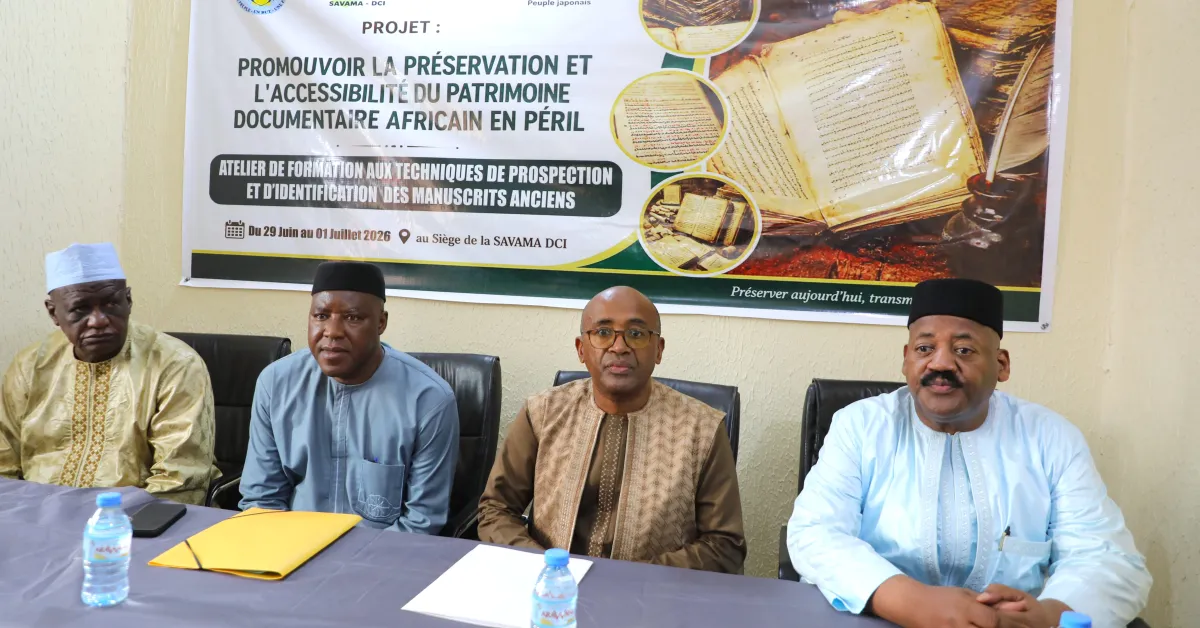
The first workshop, running from June 29 to July 1, 2026, focuses on manuscript identification techniques. Participants will learn to locate, authenticate, and record ancient documents within family collections, libraries, and other storage facilities.
The second session, scheduled for July 2-4, 2026, centers on inventory and cataloging methodologies. Attendees will master standardized documentation practices, including data collection, organization, and the creation of descriptive records for each manuscript.
The launch ceremony, attended by Mali’s Ministry of Crafts, Culture, Hotel Industry, and Tourism representatives, UNESCO Mali officials, and SAVAMA-DCI leadership, marked the beginning of this crucial capacity-building initiative. Mamadou Cissé, Technical Advisor to the Minister of Culture, emphasized the government’s commitment to the project’s success, stating its determination to support tangible outcomes.
Speaking at the event, Ali-Mohamed Sinane, Head of UNESCO Mali Office, underscored the importance of manuscript preservation: “These documents carry our collective memory, identity, and history. Their conservation ensures we pass down an irreplaceable intellectual legacy to future generations. I hope these workshops foster rich exchanges and translate into concrete actions for safeguarding Mali’s documentary heritage.”
Upon completion, participants will be qualified to conduct field surveys, accurately identify manuscripts, create descriptive records, and contribute to structured inventory systems. The program will continue in coming months with additional sessions covering critical editing and translation techniques for ancient manuscripts.
This UNESCO-led initiative, supported by the Government of Japan, represents a significant step in strengthening Mali’s national capabilities for protecting and promoting its documentary heritage. The ultimate goal extends beyond conservation—it aims to elevate public recognition of these manuscripts as vital historical artifacts.