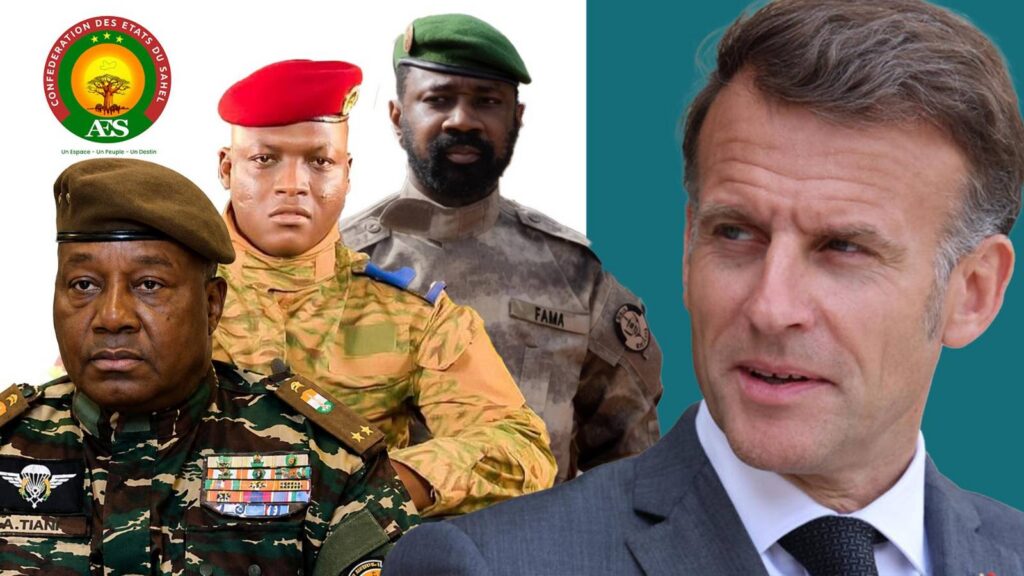
Four years ago, kicking out the French army and cutting ties with the West was supposed to usher in a ‘second independence’ for Mali, Burkina Faso, and Niger. Today, that populist rhetoric collides with a grim reality: dependence has simply changed hands, insecurity is spiraling, and economies are choking.
Back then, public squares in Bamako, Ouagadougou, and Niamey echoed with anti-French slogans. The forced departures of ambassadors and Barkhane soldiers were hailed as historic wins. Driven by promises of total renewal, the captains and generals in power claimed that regained sovereignty would magically solve the terror equation. By 2026, the honeymoon is over. The record of the Alliance of Sahel States (AES) reveals a systemic failure that state propaganda can no longer hide.
The security mirage: the russian partnership backfires
The main justification for the military coups was France’s failure to wipe out jihadism. But the chosen cure is worse than the disease. By replacing Western forces with Russian paramilitaries from Africa Corps (ex-Wagner), Bamako, Ouagadougou, and Niamey opted for a scorched-earth strategy.
On the ground, terrorist groups JNIM and EIGS are more powerful than ever. They now surround key cities and cut vital supply routes. Worse, the human toll is devastating. Independent reports document a surge in abuses against civilians during joint operations. Instead of protection, Sahelian populations are caught between jihadist terror and the brutality of new security auxiliaries, while the number of internally displaced people hits historic highs.
Diplomatic isolation: institutional flight forward
To mask domestic failures, AES leaders have chosen a policy of permanent rupture. Their dramatic exit from ECOWAS deprived the three countries of natural economic partners. More recently, their collective withdrawal from the International Criminal Court (ICC) and restrictions on UN agencies are turning the region into a diplomatic gray zone.
This institutional flight forward mainly serves to shield the regimes from any external scrutiny of human rights or transition timelines. Promised elections to return power to civilians are repeatedly postponed indefinitely, turning temporary transitions into entrenched military dictatorships.
Economy in decline and social regression
On the economic front, the toll is equally heavy. Talk of monetary sovereignty and self-sufficiency clashes with hard numbers. Regional isolation has sent the cost of living and basic goods soaring. Local businesses suffocate under indirect sanctions, falling foreign investment, and chronic power cuts that paralyze Bamako and Ouagadougou.
While national budgets are drained to fund the war effort and pay Russian mercenaries (often through mining concessions), basic social services collapse. Thousands of schools remain closed, and the health system is exhausted. Instead of investing in human development, national resources are seized by military machines.
A change of masters, not liberation
Four years after the Great Break with Paris, the verdict is bitter. The Sahel is neither safer, more prosperous, nor more independent. By ousting an imperfect but predictable Western partner, AES leaders have thrown their countries into the arms of an opportunistic Russia, whose only goal is geopolitical. The promised ‘second independence’ has turned into a tragic economic and security regression, where sovereignty brandished at the top is just a smokescreen for the people’s suffocation below.
You may also like
Niger’s junta reaches breaking point as Barmou’s arrest shifts the balance of power
Niamey mutiny exposes deep rifts in Niger’s military leadership
At the un headquarters in Niamey, the sovereignist bluff meets the reality of foreign aid
In Bamako, the prosecution of journalist Abdrahamane Keïta signals a tightening grip on free speech
RDC-Israël : un rapprochement aux enjeux multiples