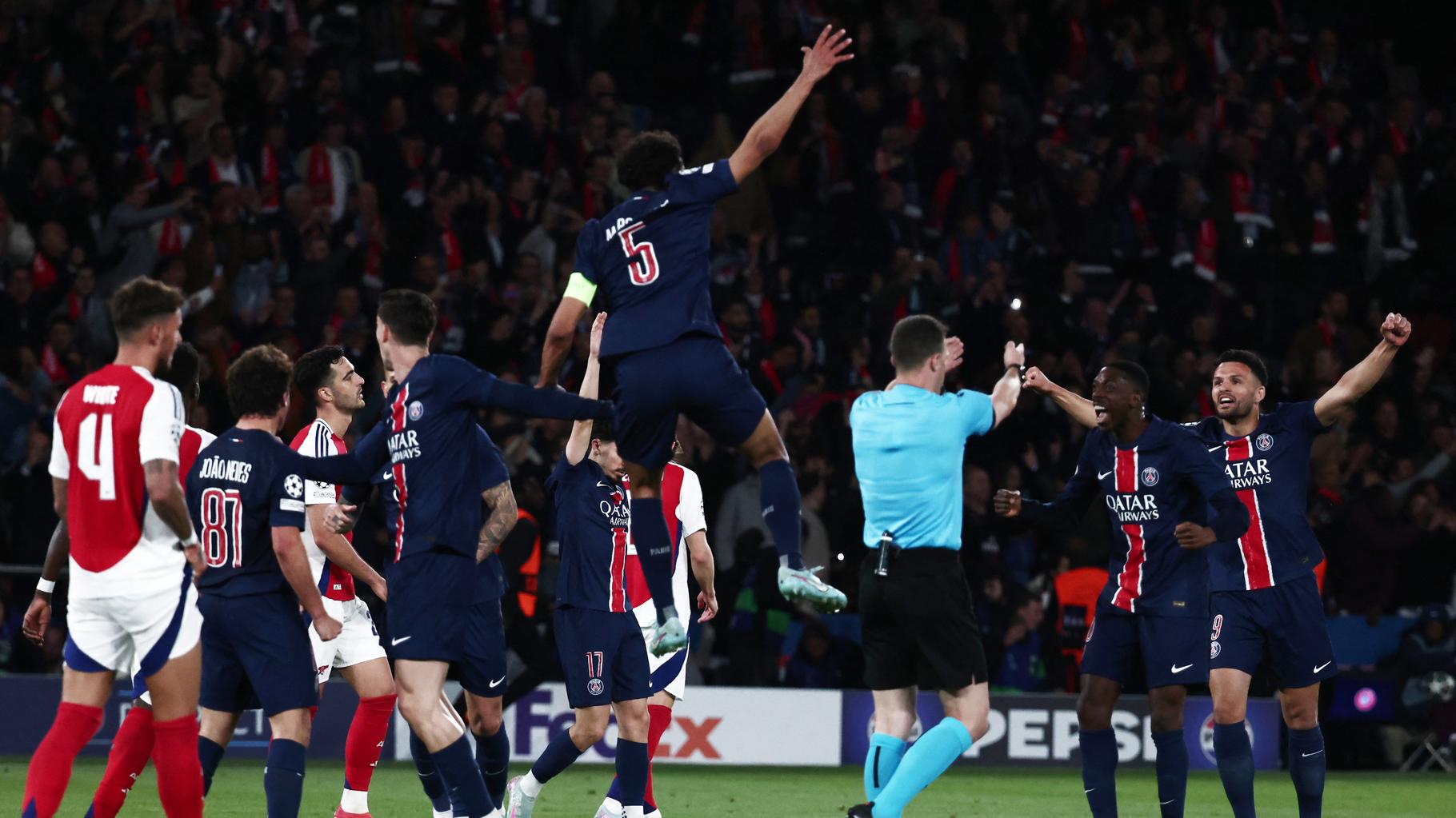
When Arsenal meets Paris Saint-Germain in the UEFA Champions League final, the clash will be more than just a contest between two elite clubs—it will be a collision of contrasting identities. This Saturday at 18:00 CET in Budapest, the French champions and the English side will square off in a battle of extremes: flamboyant attacking football against disciplined efficiency.
Two paths to the pinnacle
The road to the final has been marked by diametrically opposed journeys. Paris Saint-Germain, under the guidance of Luis Enrique, has dazzled Europe with a brand of football that blends creativity, relentless attacking, and high-octane performances. The Parisians dismantled Liverpool in the quarter-finals, crushed Bayern Munich in a 5-4 thriller in April, and sealed their ticket to Budapest with a commanding 5-0 victory over Inter Milan in the previous final. With stars like Ousmane Dembélé and Khvicha Kvaratskhelia leading the charge, PSG has emerged as the continent’s most explosive force.
Arsenal, by contrast, has carved its path through sheer pragmatism and defensive resilience. The Gunners, anchored by a backline marshaled by William Saliba and Gabriel, have relied on compact organization and clinical set-piece execution to grind out results. Their European campaign this season has been defined by tight victories—including a dramatic 1-0 win over Sporting Lisbon in the quarter-finals, scored in the 91st minute—and a semifinal triumph over Atlético Madrid on aggregate. In the Premier League, they secured their first top-flight title in 22 years, proving that consistency can outlast spectacle.
From philosophy to personality: the coaches at the heart of the divide
The divide between the two finalists is epitomized by their managers. Luis Enrique has become synonymous with PSG’s rise—a leader whose tactical acumen and man-management have transformed the club into a relentless winning machine. His influence extends beyond tactics; he embodies the team’s ambition, pushing his players to new heights when the stakes demand it.
On the other side, Arsenal’s Mikel Arteta has embraced the label of “boring Arsenal” with defiance. While critics and rivals alike have chided his team for prioritizing results over style, Arteta remains unapologetic. His recent remarks—declaring before the final that his team will “write history” and be crowned European champions—underscore a mindset rooted in confidence and clarity of purpose. For Arteta, the manner of victory matters less than the final outcome.
The Arsenal paradox: efficiency as a weapon
Arsenal’s success this season has been built on two pillars: defensive solidity and set-piece dominance. With Nicolas Jover—an expert in dead-ball situations—orchestrating their approach, the Gunners lead Europe in goals scored from corners and free kicks. Their strategy often involves ceding possession to lure opponents into defensive errors, then punishing them with ruthless precision.
PSG, meanwhile, thrives in transition and high-pressure scenarios. Whether through rapid counters or sustained build-up play, the French side’s ability to overwhelm opponents with pace and creativity has set them apart. Their journey to the final has been one of audacious attacking football—five goals against Monaco, eight against Chelsea, four against Liverpool, and six against Bayern in a single match.
As both teams prepare to face off in Budapest, one question looms large: which philosophy will prevail when the stakes are at their highest? Will PSG’s firepower overcome Arsenal’s iron discipline? Or will Arteta’s soldiers, armed with organization and set-piece mastery, pull off a historic upset? One thing is certain—this final will not lack drama.