Amidst the dense 219-page National Human Development Report (RNDH) 2026, a single line reveals a stark reality: over 77% of Nyanga’s population lives in poverty. This fleeting mention stands in sharp contrast to the report’s overall portrayal of Gabon as a country with high human development, consistently ranked among Africa’s top performers.
Poverty figures clash with Gabon’s official narrative
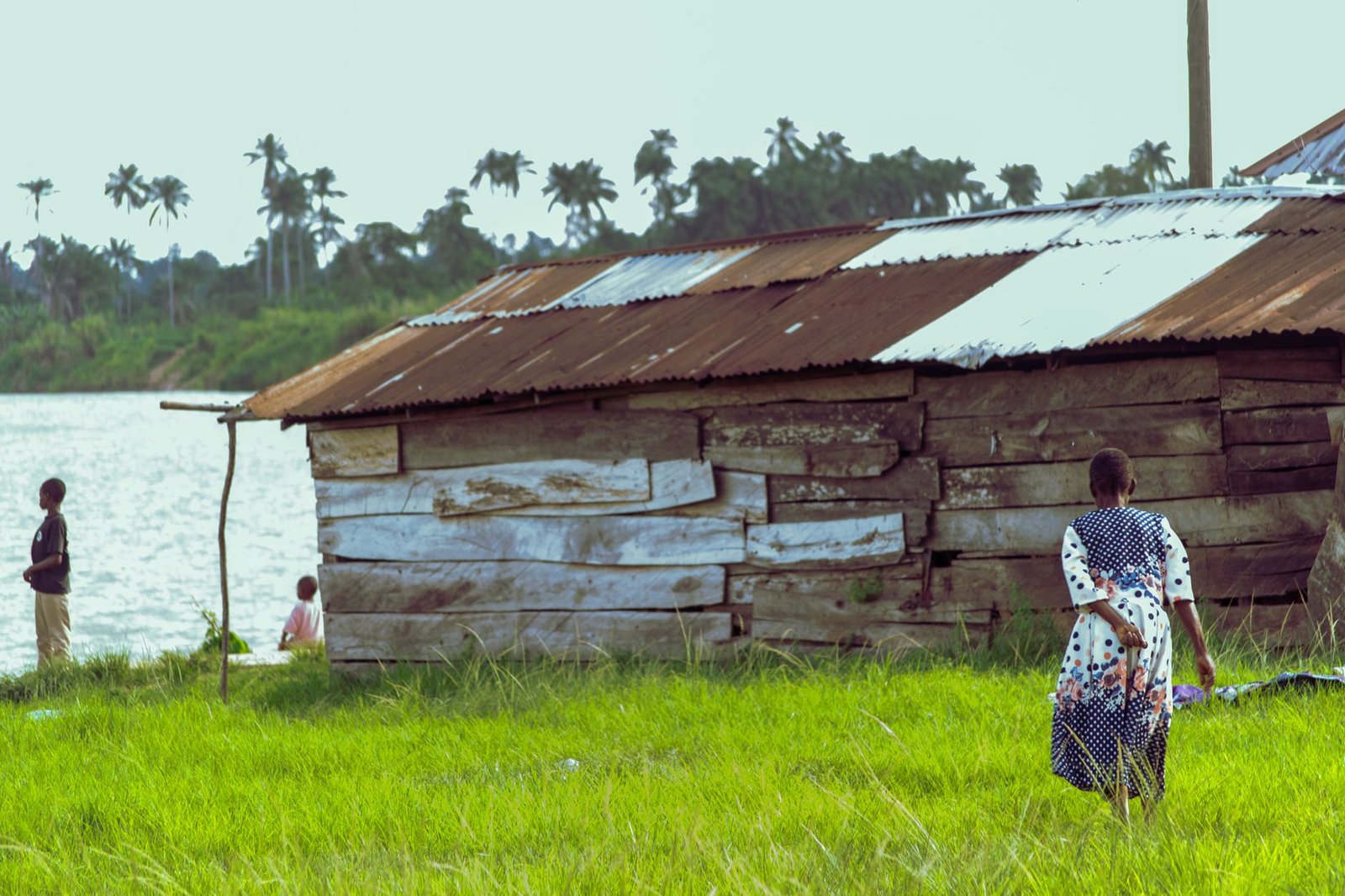
Nyanga, Gabon’s southernmost province bordering the Republic of the Congo, remains one of the least populated and most isolated regions in the country. Tchibanga, its capital, serves as the primary hub for public services in an area where access to electricity, clean water, and healthcare is severely limited. While local observers find the 77% poverty rate unsurprising, the discrepancy between this local crisis and Gabon’s macroeconomic standing—an oil-rich nation with one of sub-Saharan Africa’s highest GDP per capita—raises critical questions.
Gabon consistently tops African rankings in the UN Development Programme’s Human Development Index. Yet this aggregated metric conceals glaring territorial disparities, as the RNDH 2026 documents without always prioritizing them. The Nyanga data exemplifies this: buried within the report’s pages, the figure is neither highlighted in the executive summary nor incorporated into public policy recommendations.
Public statistics and the transparency challenge
The report’s understated treatment of Nyanga’s poverty rate underscores a methodological concern. A national human development report is designed to guide policy decisions and allocate resources effectively. When a province records a poverty rate three to four times the national average, such data should fundamentally shape budgetary priorities. Instead, the Nyanga statistic appears as a perfunctory inclusion, devoid of political or strategic follow-up.
This issue extends beyond Gabon’s borders. Several Central African nations, rich in extractive resources, showcase impressive macroeconomic indicators while concealing deep rural poverty. Territorial inequality persists, often exacerbated by centralized governance and investment flows concentrated in economic hubs like Libreville and Port-Gentil. In these cities, infrastructure and public services far surpass those available in remote southern and eastern provinces.
Nyanga: a microcosm of Gabon’s regional divides
For Gabon’s transitional authorities, who have pursued institutional reforms since August 2023, these figures pose a political test. Official discourse emphasizes restoring territorial equality and reducing isolation in inland provinces. Recent commitments include road rehabilitation, rural electrification, and agricultural sector revitalization. The true measure of these promises will lie in their budgetary translation in upcoming finance laws.
Nyanga, historically known for its agricultural potential and cattle ranching, now embodies the gap between latent wealth and actual living standards. Once thriving ranches, pivotal to the region’s ambition of meat self-sufficiency, now operate at a fraction of their capacity. Youth migration to Libreville drains the province of its productive workforce, perpetuating a cycle of impoverishment that national statistics alone cannot capture.
The RNDH 2026 provides a vital documentary foundation—provided sensitive data does not remain buried in its pages. The urgency is no longer about measuring poverty but about how the Gabonese administration intends to address it—and by when. Without clear prioritization, even the most revealing figures risk joining the long list of observations that yield no action.