Recent attacks on schools, villages, and worshippers—whether in churches or mosques—have thrust Nigeria back into the global spotlight. The crisis escalated into a geopolitical concern when the United States launched airstrikes on Christmas Day targeting jihadist positions in the country’s north, framing the action as protection for Christian communities under threat.
While some U.S. officials warn of a potential ‘Christian genocide’, the United Nations emphasizes a far broader and more complex reality. The crisis gripping Nigeria transcends religious divides, fueling one of Africa’s most severe—and most ignored—humanitarian emergencies.
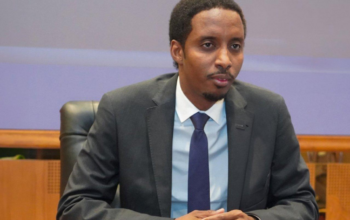
Mohamed Malik Fall, the UN’s coordinator for Nigeria, highlights the nation’s staggering security challenges: ‘The threat isn’t confined to a single region—it’s nationwide.’
From insurgency to widespread unrest
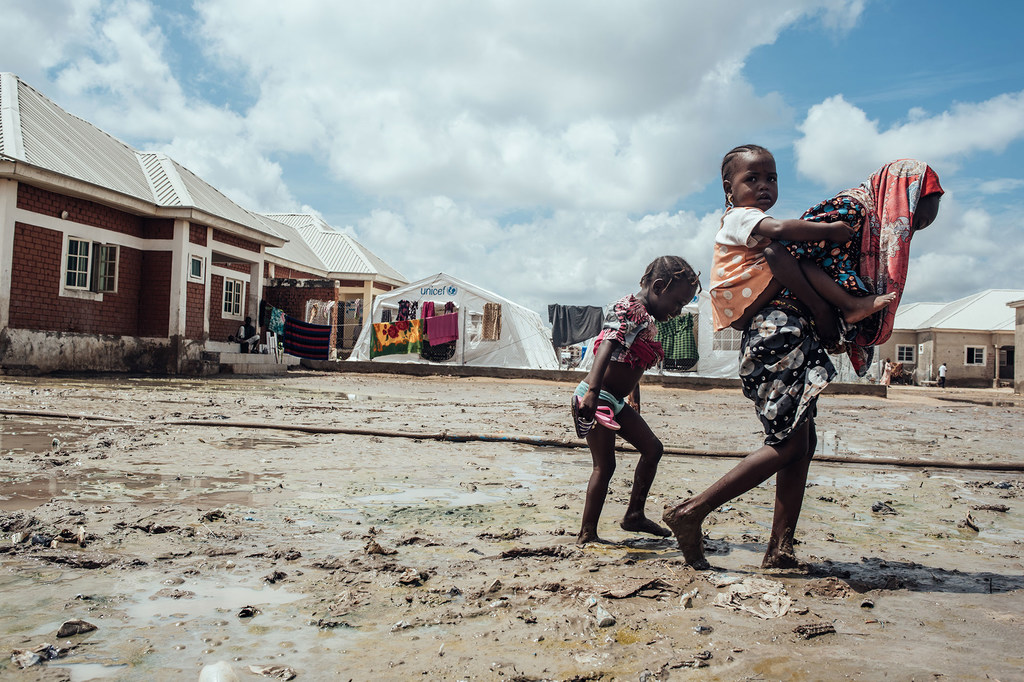
The conflict originated in the northeast in 2009, sparked by the extremist group Boko Haram. Nearly two decades later, the insurgency has metastasized into a multifaceted crisis. Over two million people remain displaced, with entire generations born and raised in camps, knowing no other life.
Official records document more than 40,000 fatalities since the conflict began, alongside the destruction of thousands of schools, healthcare facilities, and arable lands. The UN’s Fall stresses the human toll: ‘Communities have been stripped of livelihoods, dignity, and hope.’
Banditry and local conflicts deepen the chaos
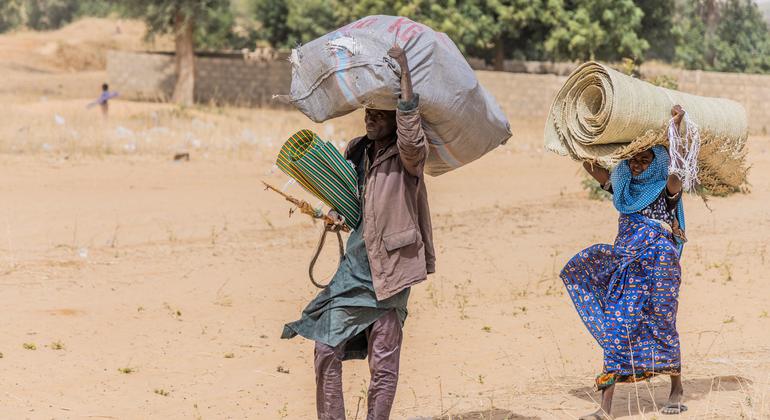
Beyond the insurgency, northern states like Zamfara, Katsina, and Sokoto face rampant banditry—armed criminal gangs that terrorize communities through kidnappings and looting. Entire villages have been abandoned, displacing nearly one million people in the northwest alone.
Central Nigeria’s farmer-herder clashes, fueled by land disputes and climate pressures, have triggered further displacements. In the south, separatist movements and oil-related sabotage add to the volatility. The result? With 3.5 million internally displaced persons, Nigeria accounts for nearly 10% of Africa’s total displaced population.
Not a ‘Christian genocide’, but indiscriminate violence
Recent attacks on churches—including the abduction of over 160 worshippers during Sunday services in Kaduna State—have reignited global outrage. These incidents echo past tragedies, such as the 2014 Chibok schoolgirls kidnapping, where Boko Haram targeted Christian students.
In response, the U.S. conducted airstrikes on Christmas Day, citing the need to protect Christian communities. However, the UN’s Fall cautions against framing the crisis as a targeted religious persecution: ‘Over 40,000 victims of this insurgency have been Muslim, killed in mosques.’
He points to a December 24 attack in Maiduguri, where a blast near a mosque and market killed worshippers leaving prayers. ‘This violence spares no one—Muslim, Christian, or otherwise.’ Fall warns that oversimplifying the conflict risks deepening divisions rather than fostering unity.
Massive, underfunded humanitarian emergency
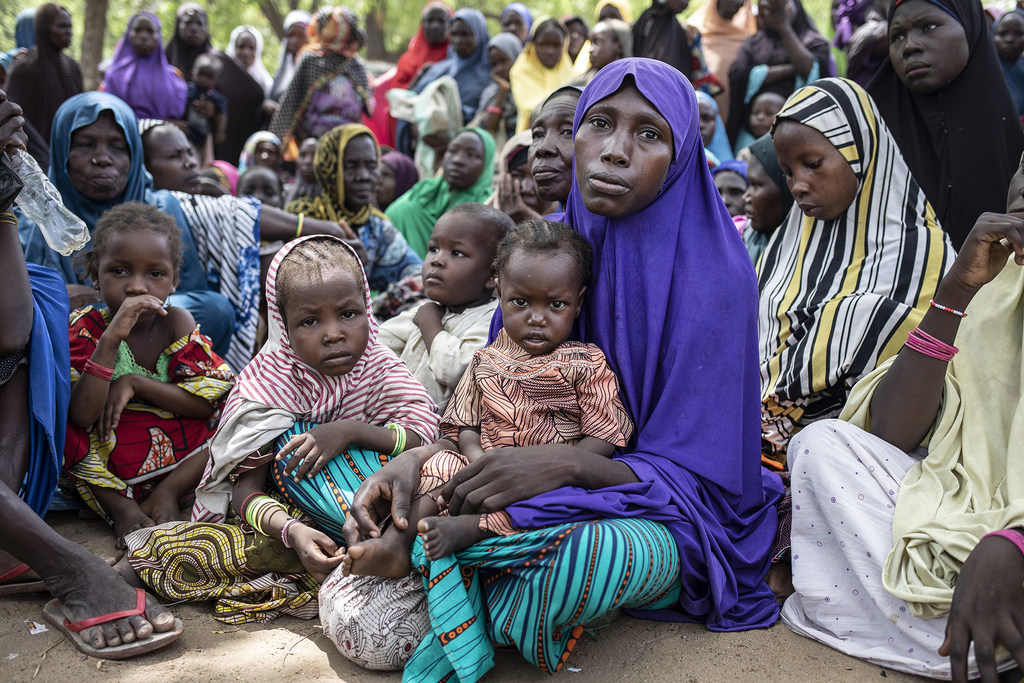
Behind the security crisis lies a humanitarian catastrophe. In the northeast alone, 7.2 million people require assistance—6 million of whom face severe or critical conditions, according to the UN. Food insecurity looms large: up to 36 million Nigerians may slide into hunger in the coming months, with over 3.5 million children under five at risk of acute malnutrition.
Fall underscores the long-term impact: ‘Malnutrition stunts cognitive development, disrupts education, and casts a shadow over futures.’ Climate shocks—droughts, floods—and disease outbreaks like cholera compound the suffering. Yet funding has plummeted: humanitarian response plans dropped from nearly $1 billion annually to just $200 million in 2025.
Nigeria’s economic giant must lead the response
Nigeria’s paradox is striking: a nation of vast resources grappling with one of Africa’s worst humanitarian crises. ‘Nigeria is not Sudan or South Sudan,’ Fall emphasizes. ‘Its government holds the primary responsibility for addressing this emergency.’
The UN advocates a gradual shift toward local leadership in aid delivery, urging donors not to turn away. ‘No community thrives on handouts,’ he notes. ‘Empowering people economically—giving them the tools to rebuild their lives—is the only sustainable solution.’