A nation marks its 66th year under mounting strain
On Tuesday, September 22, 2026, Mali observes the 66th anniversary of its accession to international sovereignty. Yet more than six decades after the independence declarations of 1960, the mood is one of gravity rather than popular celebration. In a country grappling with a multidimensional crisis and an unprecedented security quagmire, this national commemoration unfolds under maximum security pressure, exposing the widening gap between official rhetoric and conditions on the ground.
A security landscape on edge
While Transition authorities celebrate reclaimed sovereignty and the “rising power” of the Malian Armed Forces (FAMa), the country’s security map paints an alarming picture. Attacks by the JNIM jihadist coalition and northern autonomist insurgents continue to weaken entire swaths of territory.
In recent months, strategic garrisons in the center and north, such as the recent bloody assaults on Dioura and positions near Sévaré, have paid a heavy price. Road corridors leading to the capital remain vulnerable to intermittent blockades, choking the economies of interior regions.
Russian ally caught in a war of attrition
This national day also comes as the security model chosen by Bamako shows its strategic limits. The deployment of Russian paramilitary troops from Africa Corps (successors to the Wagner group), intended to guarantee rapid pacification, has turned into a bloody war of attrition.
With losses estimated at more than 350 Russian fighters recorded since their deployments, pushed by major setbacks such as the Battle of Tinzawatène and repeated ambushes in early autumn 2026, the human and financial cost of this cooperation weighs heavily on state resources. Tens of billions of CFA francs are swallowed each month to sustain this private military apparatus, even as republican armies lack direct logistical support.
National economy suffocated
For the Malian population, the 66th independence anniversary is also overshadowed by continuously deteriorating living conditions. Rampant inflation on basic necessities (rice, oil, sugar) and chronic power cuts managed by the national utility EDM-SA are crippling small and medium-sized enterprises and making households more precarious.
The consummated break with sub-regional organizations such as ECOWAS and the country’s diplomatic isolation exacerbate the scarcity of foreign currency, making daily life even harder for citizens.
Independence discourse tested by facts
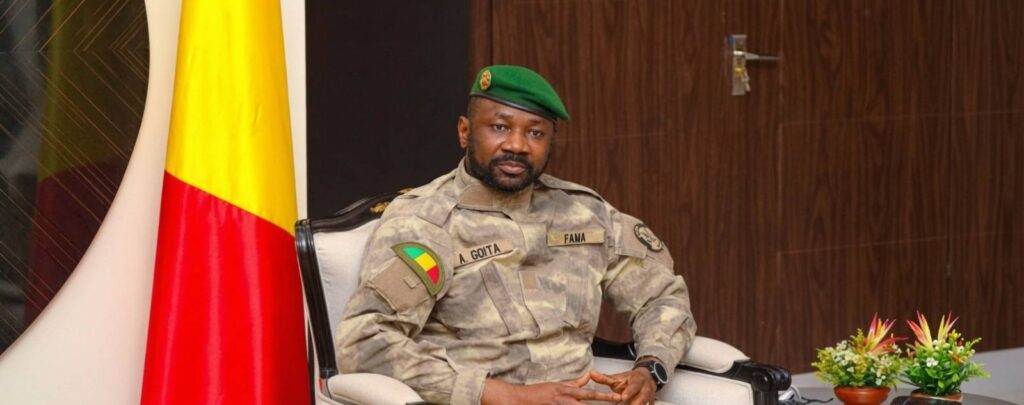
In his traditional address to the nation, the Transition president reiterated calls for unity and the defense of national sovereignty within the Alliance of Sahel States (AES). But on the ground, skepticism is growing over a promise of “Mali Kura” (New Mali) that struggles to deliver peace.
Sixty-six years after independence, Mali’s core challenge remains unchanged: achieving lasting stability, restoring republican authority across the entire national territory, and offering its people economic prosperity free from private defense dependencies.