In recent years, Mali has seen measurable improvements in several public health metrics. Data indicates a positive trend in life expectancy and a reduction in maternal, infant, and under-five mortality rates. To build on this momentum, the nation launched a bold universal health insurance strategy in 2018. However, translating these plans into reality remains a significant hurdle.
The struggle for equitable medical access
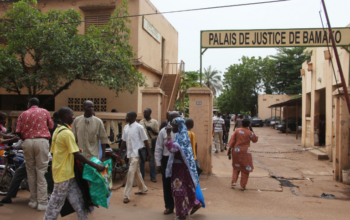
Despite policy efforts, the healthcare system in Mali faces deep-rooted obstacles, including a lack of qualified medical professionals and chronic underfunding. These issues have been intensified by years of political volatility. Geographically, the disparity is stark: more than half of the country’s physicians are stationed in the capital, Bamako, leaving rural populations significantly underserved.
This gap is highlighted by the World Health Organization‘s Universal Health Coverage Service Index, where Mali earned a score of 41 out of 100. This figure trails behind the continental average of 44 and is well below the global benchmark of 68.
Public demand for universal healthcare
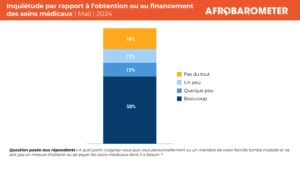
New findings from the Afrobarometer Round 10 survey reveal that citizens consider health to be the most pressing issue for the government to address. The data shows that only about one in seven adults currently has any form of medical insurance. Consequently, a vast majority of the population lives with the constant fear of being unable to afford or access essential medical services.
There is an overwhelming consensus among Malians that the state should ensure universal access to quality care. Remarkably, many citizens expressed a willingness to accept higher taxes if it meant guaranteed healthcare for all.
Current challenges in public facilities
For those who visited a public hospital or clinic in the past year, the experience was a mix of successes and failures. While many reported being able to get the care they needed, significant barriers remain, such as:
- High costs for treatments and prescriptions
- Extended waiting periods for patients
- Frequent shortages of essential medicine and equipment
The severity of these issues is reflected in the fact that nearly half of the survey respondents reported that a family member had to go without necessary medical attention during the previous year.
Trust in government initiatives
Interestingly, despite these systemic difficulties, public sentiment toward the administration’s efforts remains relatively positive. Approximately two-thirds of Malians approve of the government’s performance in enhancing basic health services and maintain a high level of confidence in the Ministry of Health.