Mali blocus jihadiste: government refuses talks as civilians face starvation
In a stern declaration before the diplomatic corps in Mali, Foreign Minister Abdoulaye Diop dismissed calls for negotiations with armed jihadist factions controlling parts of the nation. «We must be clear: this government will never engage in dialogue with lawless terrorist groups responsible for years of suffering among our people,» he stated firmly.
The current strategy prioritizes military confrontation over negotiation. Recent reports confirm that Mali has received fresh shipments of Russian military equipment, according to regional correspondent Serge Daniel.
In the northern region, authorities are focused on recapturing Kidal, now under jihadist control. Following the abandonment of two towns in the Kidal area, Malian forces and Russian mercenaries have reinforced their presence in Aguelok, another strategic location in the same region.
Southern Mali faces a critical challenge: clearing blockaded highways obstructed by jihadists. On Saturday, hundreds of vehicles, passengers, and goods remained stranded across multiple locations, exacerbating an already dire situation.
Humanitarian crisis deepens under prolonged blockades
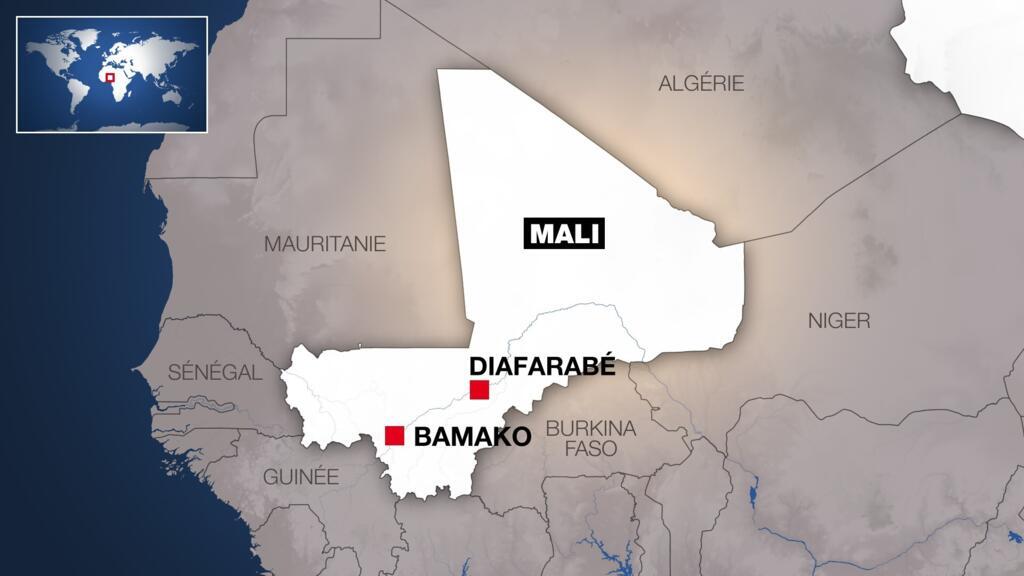
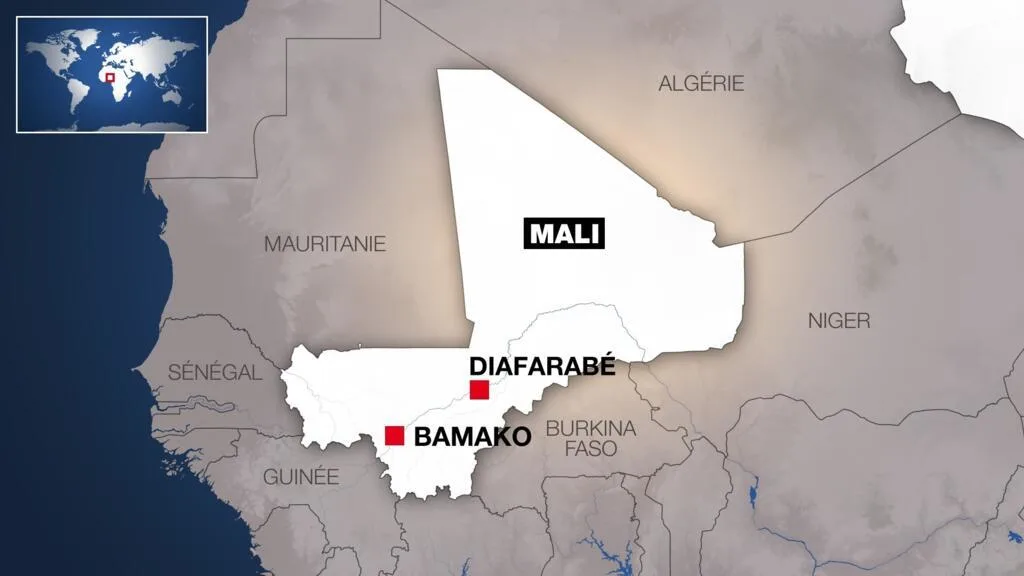
The town of Diafarabé in the Mopti region has endured a jihadist blockade for nearly a year—since May 12, 2025. Residents report critical shortages of food and essential supplies, with medical care increasingly scarce. Exhausted by isolation and fear, locals describe a growing sense of despair.
A widely shared video appeal for assistance, broadcast on social media last Saturday, has yet to prompt government action, according to residents contacted by RFI. «No one enters, no one leaves. The blockade is absolute. All our food reserves are exhausted—famine is setting in,» shared a resident via phone in Mandenkan and Fulfulde.
«We spoke with military detachment leaders. They promised food aid via an upcoming convoy, but we’re still waiting. This followed protests by youth and women. It’s pure desperation! There’s nothing left. During the flood season, we managed to smuggle in supplies via river routes, despite the risks. I was shot in the arm during one attempt—I fractured my bone. Now, it’s better, but here, it’s total survival. All we ask for is food. That’s all we want right now.»