The Malian authorities have escalated their territorial control strategy by designating 40 forests nationwide as military zones, barring civilian access to these areas. An official decree, released on June 5, 2026, grants the Malian Armed Forces (FAMa) exclusive jurisdiction over these wooded expanses, which are suspected to harbor jihadist hideouts linked to the Islamic State in the Sahel and the Jama’at Nusrat al-Islam wal-Muslimin (JNIM).
Military mapping reshapes land use across Mali
The decree outlines a detailed list of affected forests spanning multiple regions, with central and southern zones—traditionally used by armed groups as rear bases—at the forefront. By restricting access, Bamako aims to sever jihadist supply lines and enable unobstructed aerial surveillance without endangering local populations. The focus on forests is strategic; these areas have long served as gray zones where subsistence activities, smuggling, and insurgent operations intertwine.
Villagers rely on these forests for firewood, medicinal plants, and hunting, while pastoralists graze livestock there. The new legal framework disrupts this delicate balance by placing these resources under military oversight. Civilian incursions now carry penalties, and security operations can proceed without warning. This move aligns with the junta’s hardline approach, which emerged after the 2020–2021 coups that ended French military presence and shifted Mali’s security architecture toward Russian partnerships.
Military gains vs. humanitarian fallout
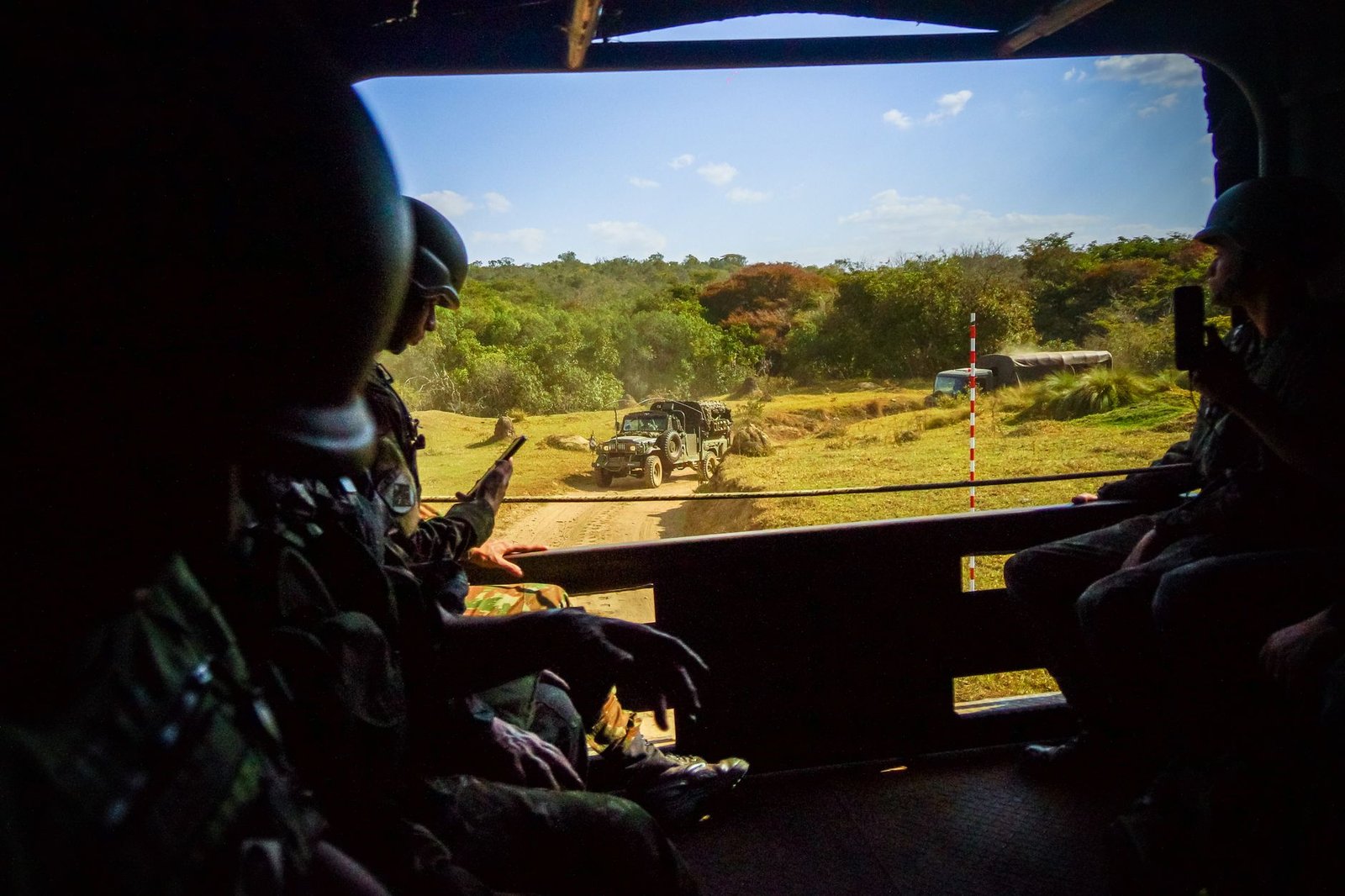
The success of this tactic hinges on the FAMa’s ability to sustain control over these forested terrains. Since the withdrawal of the UN stabilization mission (MINUSMA) in 2023, helicopter raids and precision strikes have become central to Mali’s counterinsurgency efforts. The decree also signals Bamako’s determination to curb insecurity spreading southward, threatening Bamako and Kayes. However, the social repercussions could be severe: thousands depend on these forests for income, and the ban risks exacerbating poverty in communities already strained by drought, food inflation, and closed borders. Neighboring Burkina Faso’s experience with similar military zones since 2023 highlights a troubling trend—expanded militarized zones correlate with mass internal displacement.
Sahel-wide trend toward militarized control
Mali’s policy mirrors a regional shift. Burkina Faso and Niger, part of the Alliance of Sahel States (AES), have implemented exceptional territorial measures since 2024 to reclaim control from armed groups. This unified approach reflects a shared vision of sovereignty, prioritizing physical control of peripheral zones and temporarily suspending customary land rights. International partners are watching cautiously, as human rights groups have repeatedly documented abuses in militarized areas. The junta’s ability to balance military efficiency with civilian protection will be closely monitored by neighboring West African nations and remaining donors.
Economically, the restrictions may impact artisanal mining and gold operations near the targeted forests. The government has not yet outlined compensation or resettlement plans for affected populations.
Key takeaways
- Mali designates 40 forests as military zones, barring civilian access to disrupt jihadist networks.
- Central and southern forests, used as rebel rear bases, are primary targets.
- Ban risks worsening poverty in rural communities dependent on forest resources.
- Regional partners like Burkina Faso and Niger follow similar militarization strategies.
- Human rights and international observers scrutinize the junta’s balance of security and civilian welfare.