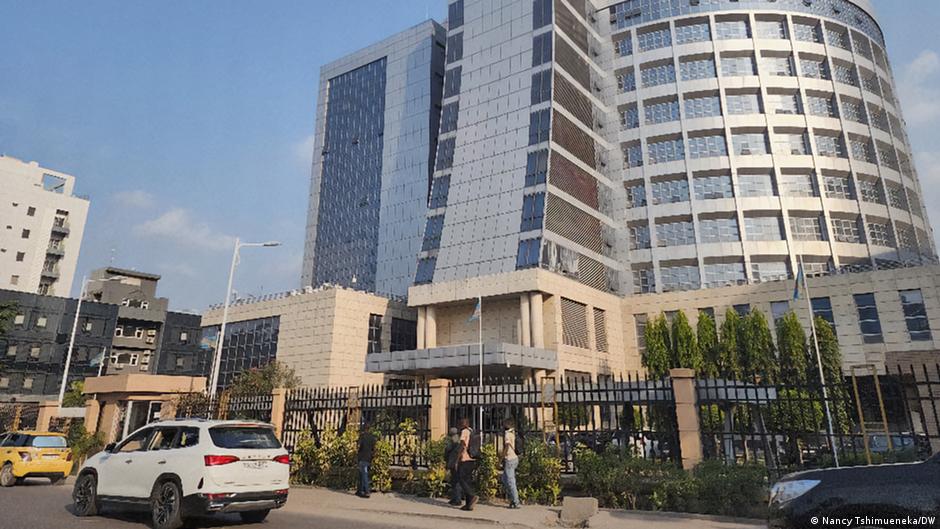
Kinshasa’s streets fell eerily silent on Wednesday as opposition supporters enforced a city-wide shutdown in protest against President Félix Tshisekedi’s constitutional reform plans. The shutdown, decreed by the Article 64 Coalition (C64), was presented as a massive show of public defiance against the proposed changes.
While opposition leaders hailed the move as a historic mobilisation, the presidential camp dismissed its impact, insisting the reform process would continue unabated. The standoff has escalated tensions in the capital, where security forces maintained a heavy presence.
a capital under lockdown
Residents across several districts of Kinshasa chose to stay indoors, fearing clashes between protesters and security forces. Schools remained closed, public transport ground to a halt, and businesses shuttered their doors. The usual bustle of Congolese capital gave way to an uncharacteristic stillness.
“You don’t see students on the streets. There’s no traffic. Schools are closed. We don’t want the Constitution changed. If we didn’t resist, we’d be forced to go to work. The people refuse this,” shared a local resident.
“It’s unbearable here. The streets are packed with soldiers and police dispersing crowds. There’s no way out—no cars, no motorcycles moving. Shops are boarded up. The situation is dire,” another inhabitant complained.
opposition claims victory in mass mobilisation
Opposition leaders declared the shutdown a resounding success, arguing that nearly the entire population had complied with their call. They vowed to escalate pressure on the government in the coming weeks, framing the protest as a direct rebuke to President Tshisekedi’s leadership.
Prince Epenge, spokesperson for the Lamuka coalition, framed the turnout as a definitive rejection of the president’s intentions.
“The people of Kinshasa responded at a rate of 99.9% to the opposition’s call. By staying home, they rejected President Tshisekedi’s authoritarian agenda to rewrite the Constitution for personal gain. The message is clear: the people have spoken,” he warned.
presidential camp rejects claims of protest failure
The government’s allies pushed back against opposition claims, insisting that daily life in Kinshasa had continued almost normally. Christian Lumu Lukusa, vice-president of the UDPS youth league, accused opposition leaders of stoking violence and failing to sway public opinion.
“Despite attempts to incite chaos, the people have not followed the opposition’s orders. Kinshasa is fully operational,” he declared.
Lukusa reaffirmed the government’s commitment to pushing forward with the constitutional reform, framing it as a necessary step for modernising national institutions.
“The constitutional reform will proceed because it meets a national necessity and aligns with our goal of institutional modernisation,” he stated.
referendum looms as next flashpoint
The reform proposal is set to be put to a referendum, following the National Assembly’s adoption of the referendum bill on May 27. The opposition, however, has condemned the initiative as unconstitutional, setting the stage for further political clashes in the coming weeks.