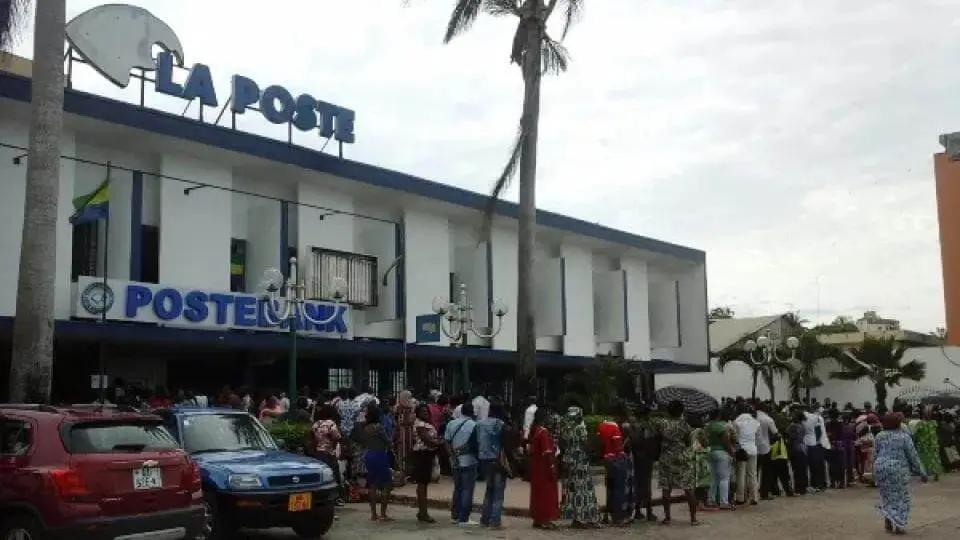
Nine years after PosteBank SA collapsed in 2017, freezing the lifetime savings of thousands, the Gabonese government has finally taken decisive action. In a statement issued on June 6, 2026, Libreville announced the official start of a large-scale census of affected savers, a necessary first step toward compensating them.
From June 8 to 11, 2026, La Poste offices across the country will be open from 8 a.m. to 5 p.m. to welcome defrauded customers. Those impacted must bring a valid ID and any documents proving their deposits. The goal of this rapid data update is to clean and verify the database, prevent fraud, and ensure every CFA franc returns to its rightful owner.
A transition promise on the verge of being kept
This move marks a major political shift. Where the previous regime was known for empty promises, the authorities of the Fifth Republic reaffirmed in February 2025 their firm commitment to resolve this painful social debt. By bringing this issue back to the forefront, the current government seeks to restore the broken trust between the state and its citizens.
More than 31 billion CFA francs for individuals
The financial and human stakes are enormous. Official data shows nearly 60,000 individual savers directly affected by this historic freeze. To settle this debt, the state has set aside a total of 31.212 billion CFA francs. This repayment will be spread over three years, with one-third of the total amount paid each year. As for businesses also caught in the bankruptcy, their claims are estimated at 41.154 billion CFA francs. Although their payment schedule is still to be determined, the repayment machine is now well and truly in motion.