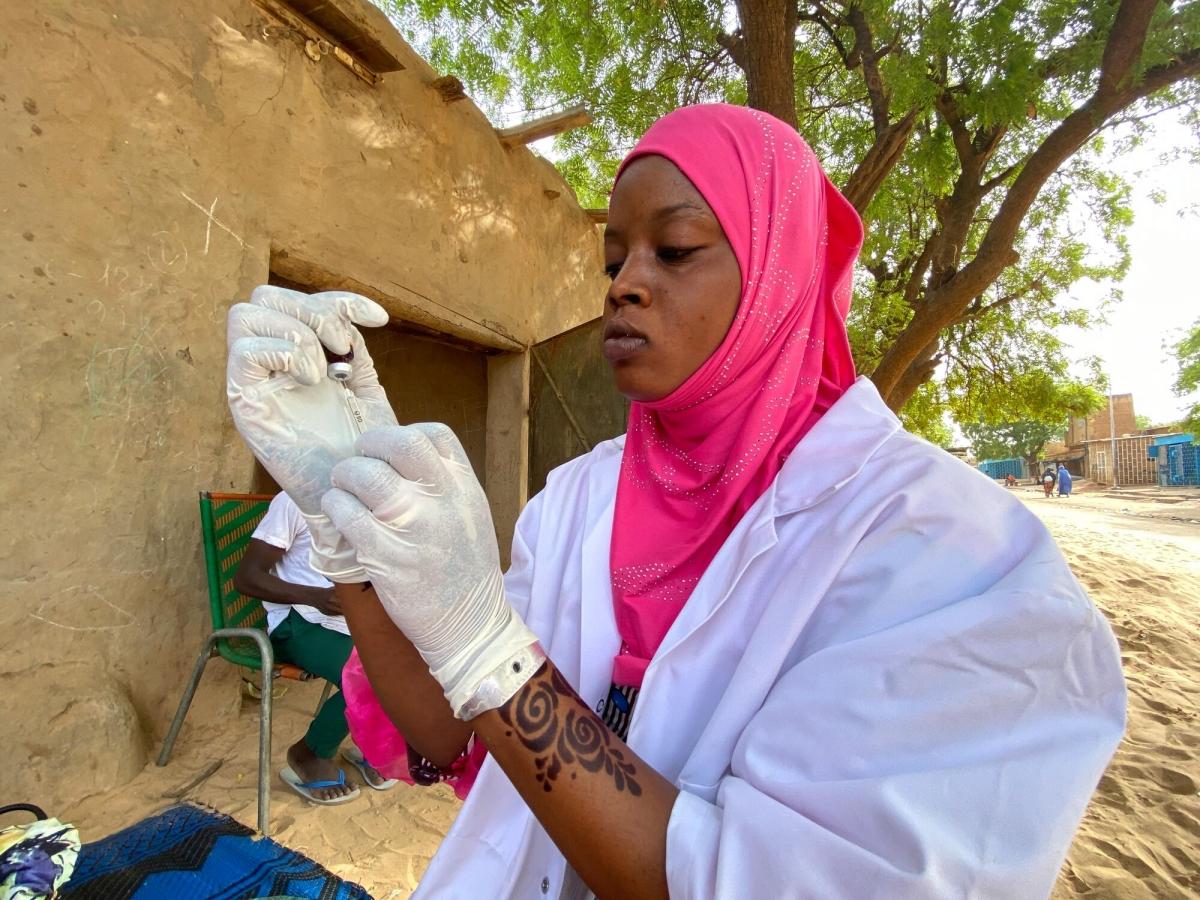
Dr. François Rubona, the medical coordinator for Médecins Sans Frontières in Niger, provides an update on the current health crisis. Since February, MSF teams have been rolling out vaccination initiatives across several regions to address the early emergence of measles clusters. Here is an overview of the epidemic situation on the ground.
What is the current status of the measles epidemic in Niger?
This year has seen a dramatic surge in measles infections compared to the previous year. According to statistics from the Niger Ministry of Public Health, 3,213 cases were recorded in the first quarter of 2021, which is nearly triple the 1,081 cases reported during the same period in 2020. By April, the count of suspected cases in Niger had exceeded 6,000. The outbreak has already resulted in 15 fatalities, and 27 of the country’s 73 health districts are now officially in an epidemic phase. The regions of Agadez, Dosso, and Tahoua are the most severely impacted.
Measles remains the most contagious viral infection globally and stands as a primary cause of death among young children. To effectively combat the disease, the World Health Organization (WHO) recommends a vaccination coverage rate of 95%. However, in many health centers across Niger, coverage does not exceed 50%. In areas such as Diffa, Tillabéry, and Tahoua, the worsening security situation has led to population displacements and restricted access to primary healthcare, which partly explains these low rates. Furthermore, the epidemic is unfolding during the COVID-19 pandemic, which has created additional hurdles for both routine and catch-up vaccination campaigns.
What specific challenges are MSF teams encountering?
When the first COVID-19 cases appeared in Niger in March 2020, widespread anxiety regarding the new virus likely caused a drop in health center attendance. Consequently, fewer parents brought their children in for standard immunizations.
The pandemic also strained the medical workforce, as health workers testing positive or being identified as contact cases led to personnel shortages. Much of the medical focus shifted toward the pandemic response, often at the expense of preventive care. Additionally, logistical hurdles and border closures made importing medical supplies difficult. This year, we successfully brought nearly 700,000 vaccine doses into the country to address the epidemic and maintain emergency stocks.
In recent weeks, we have also observed low participation in vaccination efforts due to public confusion with the COVID-19 vaccine. This has been particularly evident in Niamey and the Tillabéry region, where some communities have declined vaccination. To address this, we have intensified our community engagement and awareness programs. We aim to educate families on the dangers of measles and the vital importance of vaccination to protect children and halt the spread of the virus.
What are the health projections for the coming months?
The situation in Niger remains precarious, highlighting the consequences of declining routine vaccination rates. This trend is also visible with meningitis, which has seen over 1,100 cases nationwide. The long-term effects of this decline will likely persist for years if consistent routine or catch-up immunizations are not maintained.
As the seasonal peaks for malaria and malnutrition approach, we are monitoring trends with great concern. Last year’s malaria peak was exceptionally intense and lasted longer than usual, only subsiding in January 2021.
Combined with worrying projections for food security and malnutrition this year, we must remain highly vigilant. This includes regions like Maradi and Zinder, which may receive less attention from donors because they are further from the centers of armed conflict but remain highly vulnerable.