Millions at risk as hunger crisis deepens in West and Central Africa
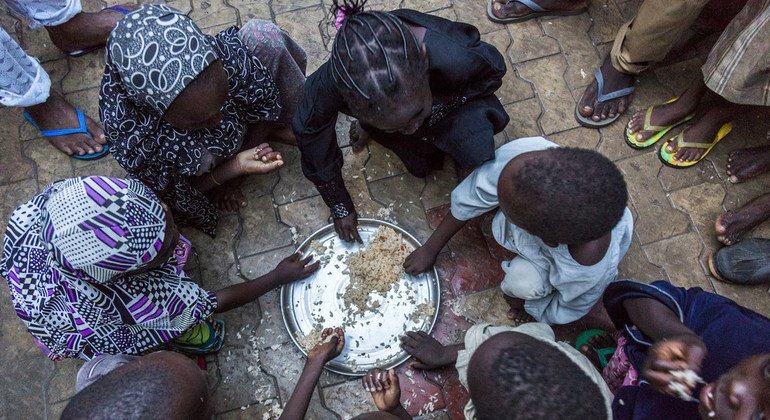
Budget cuts and surging violence are pushing millions into a catastrophic food emergency. The World Food Programme (WFP) warns that 55 million people—including over 13 million children—face severe hunger this summer.
To avert disaster, the UN agency is urgently seeking $453 million over the next six months. A recent analysis projects that over 3 million people will face emergency-level food insecurity this year—more than double the 1.5 million affected in 2020.
Four nations—Nigeria, Chad, Cameroon, and Niger—account for 77% of the food insecurity crisis, with 15,000 people in Nigeria’s Borno State at risk of catastrophic famine (IPC-5) for the first time in nearly a decade.
« Funding shortfalls in 2025 have worsened hunger and malnutrition across the region. With needs outpacing resources, the risk of youth despair and instability rises », warned Sarah Longford, WFP’s Deputy Regional Director for West and Central Africa.
Mali, Nigeria, Cameroon: hunger spirals amid funding gaps
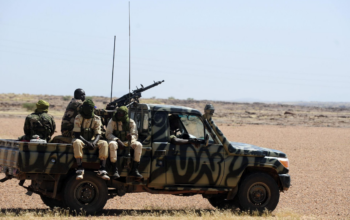
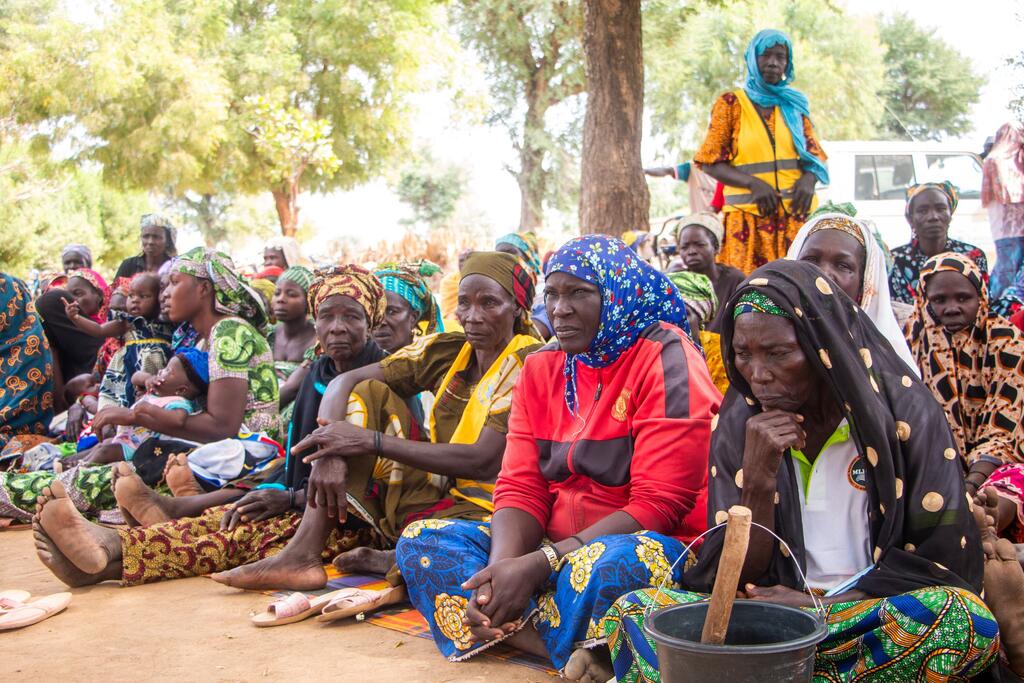
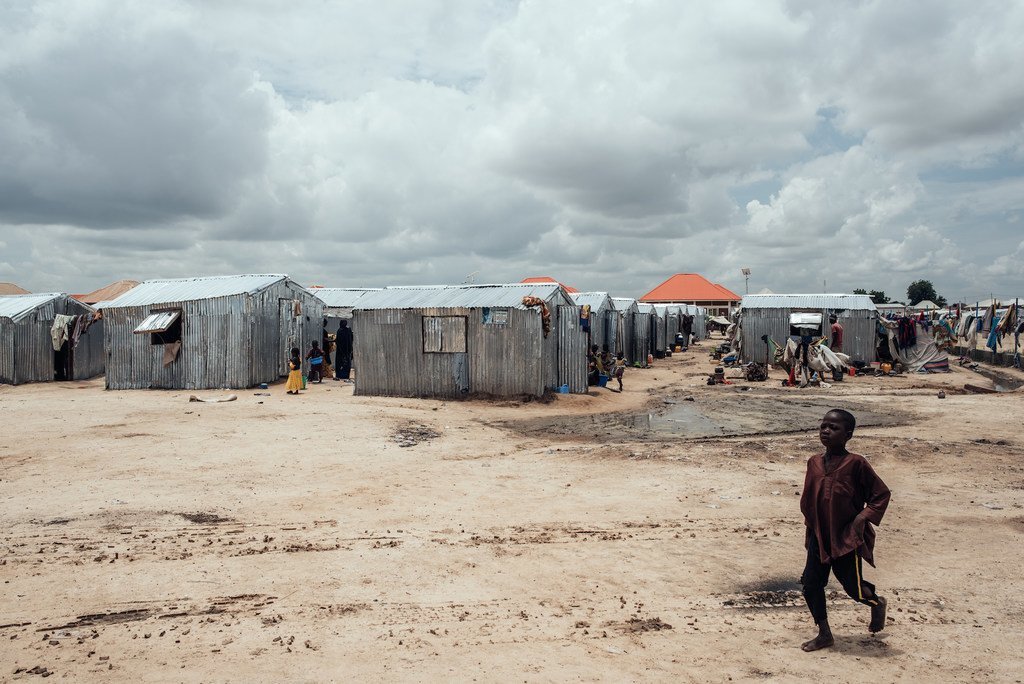
A toxic mix of conflict, displacement, and economic turmoil has pushed communities to the brink. In Mali, reduced food rations have driven a 64% surge in acute hunger in some areas, while fully supported regions saw a 34% drop. Persistent insecurity disrupts supply chains, leaving 1.5 million Malians vulnerable to food crises.
In Nigeria, 2025 funding gaps forced WFP to slash nutrition programs for over 300,000 children. Malnutrition has escalated from « severe » to « critical » in northern states, with only 72,000 people set to receive aid in February—down from 1.3 million last year.
Cameroon risks leaving over half a million vulnerable people without lifesaving support without urgent emergency funding.
13 million children face starvation in West Africa
Speaking from Rome, the WFP’s Food Security and Nutrition Analysis Director estimated that 13 million children in West and Central Africa are at risk this year. He stressed that nutrition programs—critical for preventing and treating malnutrition—must be prioritized.
« IPC-5 conditions in Nigeria’s Borno State and local government areas mean immediate mortality risks », warned Jean Martin Bauer. « People are dying of hunger. We must ensure aid reaches the most vulnerable before it’s too late. »
urgent appeal: $453 million needed now
Repeated food crises demand a shift toward proactive solutions. To « break the cycle of hunger » for future generations, WFP urges national governments and partners to invest in early action, resilience-building, and social protection systems.
The agency requires $453 million over the next six months to sustain lifesaving aid across the region. « Supporting crisis-hit communities now can prevent further unrest, displacement, and conflict », Longford emphasized.
proven solutions, unmet needs
For years, WFP has tackled root causes of food insecurity through resilience programs, school feeding initiatives, community infrastructure, and government support. These efforts have yielded results: over 300,000 hectares of degraded land rehabilitated since 2018, transforming « barren landscapes » into arable farmland and protecting four million people from climate shocks.
« Solutions exist, but they lack funding », Bauer noted. « Without immediate investment, the hunger crisis will deepen, pushing more families into despair. »